Bible Studies

“Just Have Faith” The Gospel of Jesus Christ: the book of Mark

Read: Mark 5:21-43 NLT – Jesus Heals in Response to Faith – Bible Gateway

“And he said to her, ‘Daughter, your faith has made you well. Go in peace. Your suffering is over’……But Jesus overheard them and said to Jairus, ‘Don’t be afraid. Just have faith.’” Mark 5:34, 36 NLT

FreeBibleimages.org

Is just having faith good enough? The phrase ‘have faith’ gets tossed around as if it’s a cure-all for what ails you. Seriously, if you are in the habit of using that phrase, what is your basis for using it? Is it hope, a feeling, something mysterious, or is it an assurance you have and if so, what is the basis for that assurance? The world defines faith as complete trust or confidence in something or somebody. I cannot disagree with that for that is what faith is. Now back to the first question. Is just having faith good enough? Well, yes, it depends on where your faith is placed. This week we have two stories were knowing where to place your faith is a matter of life or death.

After Jesus’ short stay in the Gerasenes region where He healed a demon-possessed man He headed back across the lake to Capernaum. As usual a crowd had formed rather quickly on the shore after His arrival with the help of old-fashion social media, word of mouth on foot. A synagogue official, a layman similar to deacons and elders today, was one of first people to greet him dropping to his knees and crying out, “My little daughter is dying, Please come and lay your hands on her; heal her so she can live.” (Mk.5:23 nlt) The official, Jarius by name, knew his daughter was near death and Jesus was her only hope. Jarius most likely heard Jesus speak in the synagogue when Jesus visited, and he knew of His miracles. Jarius placed his faith in the only one capable of healing His daughter.

Jesus agreed to go with Jarius and so did the crowds as they forced their way to get closer to Him as they traveled to Jarius’ home. In among the crowd was a woman who was severely sick with constant bleeding from an incurable disease. “She had suffered a great deal from many doctors, and over the years she had spent everything she had to pay them, but she had gotten no better. In fact, she had gotten worse.” (Mk.5:26 nlt) She too, like Jarius’ daughter was in a desperate situation although her death was not imminent it was certain without help from above. This woman, whose name we don’t know, was one of the many to had seen and heard about Jesus. She knew He could stop the bleeding. Her faith was so strong in Him knowing if she could only reach out to touch the hem of His garment she would be healed. And that is what she did, “Immediately the bleeding stopped, and she could feel in her body that she had been healed of her terrible condition.” (Mk.5:29 nlt) With so many people crowding around Jesus bumping into Him and touching Him, He specifically felt the power of healing faith go from Him to someone. It was an immediate healing for the woman.

Jesus then asked who touched Him. The disciples must have had a puzzled look on their faces when they answered, “Look at this crowd pressing around you. How can you ask, ‘Who touched me?’” (Mk.5:31 nlt) But Jesus knew someone did and kept looking around until she came forward. Jesus didn’t pursue this to call out the woman, but to afford her the chance to praise God and tell others what God has for her. Jesus was not going to let this opportunity go by without recognizing her publicly. She had been a social outcast for so many years, and it’s time to turn the tables. Those who evade her will now see she is no longer considered to be ‘unclean’ but whole and fully healed. Jesus confirmed this by saying, “Daughter, your faith has made you well. Go in peace. Your suffering is over.” (Mk.5:34 nlt)

I guess you can say in a way, it was a hope, but a hope in Jesus. It was a feeling in that she felt it instantly. It certainly felt mysterious, but it was the power of God touching her and stopping the bleeding. We can say for sure; she based her faith on Jesus, that is where she had the assurance of being healed by putting her trust and confidence in Him.

FreeBibleimages.org

We now go back to Jarius who has just witnessed miraculous healing before his eyes. But as they proceed to Jarius’ home, he received news that his daughter had died. In hearing this Jesus encourages Jarius by saying, “Don’t be afraid. Just have faith.” (Mk.5:36 nlt) Jesus is reminding Jarius of the faith he had when he first approached Jesus about his daughter’s condition. There is nothing impossible for Jesus to do, even raising the dead.

Jesus suddenly stops the crowd from following Him and took with Him only Peter, James, and John the rest of the way to Jarius’ home. They were greeted by weeping and wailing as professional mourners were already called in, as was the custom, when a death occurred. Burial would soon take place in the Jewish culture as it is still practiced today. But Jesus would have no part of it. “He went inside and asked, ‘Why all this commotion and weeping? The child isn’t dead; she’s only asleep.’” (Mk.5:39 nlt) He knew what He was going to do as the people laughed and ridiculed Him. So, Jesus sent these people out of the house for their unbelief, and took the girl’s mother, father, and the disciples to the girl’s room.

They entered the room and, “Holding her hand, he said to her, ‘Talitha koum’ which means ‘Little girl, get up!’” (Mk.5:41 nlt) The twelve-year-old got up immediately and Jesus told them to give her something to eat. Jesus not only raised her from the dead but made sure she had something to eat. Jesus’ reference to ‘she’s only sleeping’ is used to describe her death was only temporary. He was going to raise her, and the people who laughed will know it is a true miracle because they knew she was pronounced dead and funeral arrangements were being made.

Jesus performed two miracles concerning life and death in which faith was a factor. Not in our faith itself but in having faith in the one who can perform miracles. We may not need to exercise our faith in a life-or-death manner, but if we do, or when we do, it is good to know where to place our faith. Yes, it is OK to just have faith as long as it is in Jesus Christ, God the Son.


FreeBibleimages.org

Bible Studies

“Jesus Heals a Demon-Possessed Man” The Gospel of Jesus Christ: the book of Mark

Read: Mark 5:1-20 NLT – Jesus Heals a Demon-Possessed Man – So – Bible Gateway

“A crowd soon gathered around Jesus, and they saw the man who had been possessed by the legion of demons. He was sitting there fully clothed and perfectly sane, and they were all afraid.” Mark 5:15 NLT

FreeBibleimages.org

Jesus and His disciples finally reached the other side of the Sea of Galilee after a stormy night. They arrived in the region of the Gerasenes. This area just east of the Sea of Galilee was predominately a Gentile area. We learned last week of Jesus’ desire for rest. This region, which was not very populated and mainly a Gentile region, would be a welcome break from the large crowds that followed Him. But no sooner was Jesus out of the boat and on to the shore a demon-possessed man recognized Him. It was the demons who possessed him that recognized Jesus, for they knew who He was, the Son of God.

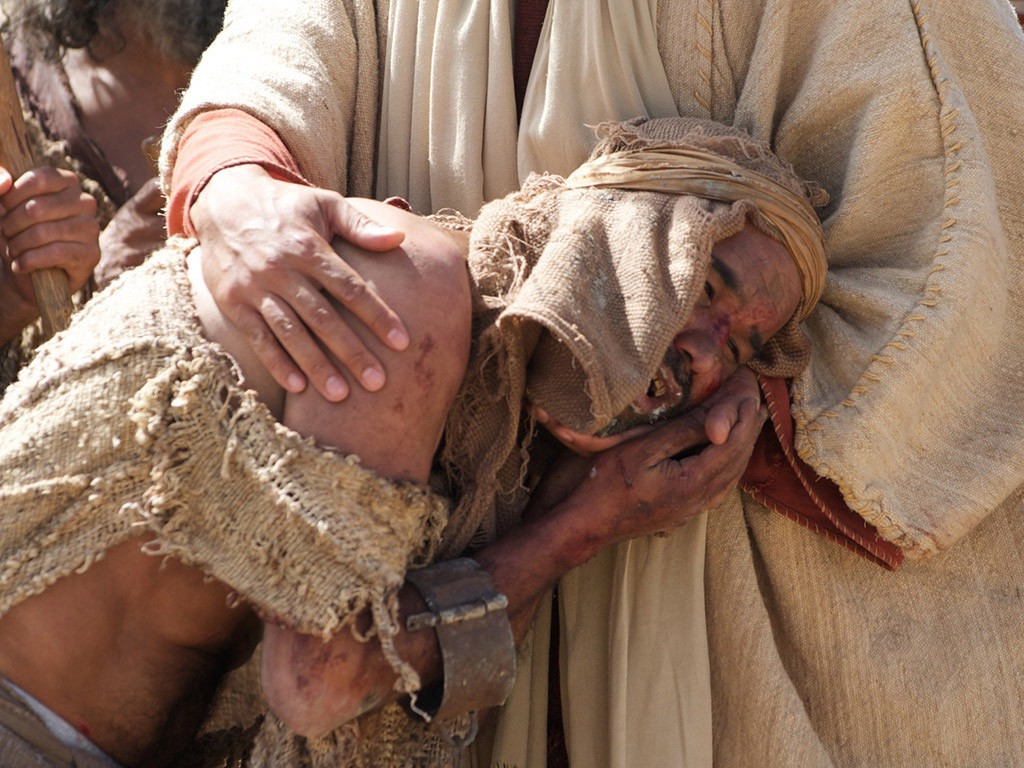
This man had been exiled from the villagers and was living among the tombs, a burial place inside the caves. These burial caves provided shelter to the poor and were frequently used. His demonic condition forced him away from society. He was bound by the people around him for their safety, but it was becoming impossible to restrain him even with shackles and chains. “Whenever he was put into chains and shackles—as he often was—he snapped the chains from his wrists and smashed the shackles. No one was strong enough to subdue him.” (Mk.5:4 nlt) The man would howl unearthly screams while cutting himself to pieces using flint with sharp jagged edges.

The man came up to Jesus and bowed before Him saying, “Why are you interfering with me, Jesus, Son of the Most High God? In the name of God, I beg you, don’t torture me!” (Mk.5:7 nlt) Again, it is the demons, or the chief spokesman representing them begging Jesus not to torment them. Jesus demanded what is your name, the demons replied ‘legion’. Jesus wanted to draw attention to the condition of the man and the evil he was going to be relieved from. There were many demons inside the man. A Roman legion was 6,000 men. This brings understanding to the strength the man had in breaking the chains from his hands and crushing the shackles on his feet. The horrifying screams from the tombs of 6,000 demons inside the man would, as one commentor put it, ‘destroyed the divine likeness with which man was created. “

The demons knew they were about to be punished. They were standing before Jesus, God the Son, who had the power to destroy them by sending them to their eternal punishment into the abyss. “There happened to be a large herd of pigs feeding on the hillside nearby.” (Mk.5:11 nlt) They requested that Jesus permit them to enter the herd of 2,000 pigs. “So Jesus gave them permission. The evil spirits came out of the man and entered the pigs, and the entire herd of about 2,000 pigs plunged down the steep hillside into the lake and drowned in the water.” (Mk.5:13 nlt) The amazement just witnessed by the herdsmen caused them to quickly flee and tell what they had seen. People were soon coming from all directions the herdsmen had traveled with the news. Jesus’ peaceful rest was put on hold again.

There may be times when we are looking for that special quiet time only for it to be interrupted. It happens to all of us. It happened to Jesus. When these times occur, we need to consider them as divine appointments, for that is what they are. The Lord knows we need rest, but He also has more important things in mind that He wants us to take care of first. Jesus had a divine appointment to help a man with a legion of demons tormenting him. We may not be helping a demon-possessed person, but to them it may feel that way. So, put your rest on hold and do what is necessary at the moment.

“A crowd soon gathered around Jesus, and they saw the man who had been possessed by the legion of demons. He was sitting there fully clothed and perfectly sane, and they were all afraid. And the crowd began pleading with Jesus to go away and leave them alone.” (Mk.5:15, 17 nlt) There were several reasons for the people being afraid and asking Jesus to leave their region. The vast number of demons that entered the pigs showed the immensity of what evil was inside the demon-possessed man. They were possibly aware of their own ungodly lifestyle, and were afraid of Jesus’ power, and then there was the financial aspect. 2,000 pigs that were lost equals loss revenue. A side note here; noticed Jesus did not command the demons to enter the pigs, He permitted them. Satan brought about the destruction of the pigs as he continues to work havoc to this day as the Lord permits.

FreeBibleimages.org

The man now freed from the demons asked Jesus if he can go with Him, begging Him. Jesus told him no, but to go to his family and tell them what the Lord had done for him. In telling the man this, Jesus is again claiming His deity as God. The man went on throughout the region becoming the first evangelist to the Gentiles. Another side note as we close: Jesus doesn’t rescue us and deliver us from sin to keep it to ourselves, but to go out telling others the gospel of Jesus Christ.

Bible Studies

“No Rest for the Weary” The Gospel of Jesus Christ: the book of Mark

Read: Mark 4:35-5:1 NLT – Jesus Calms the Storm – As evening – Bible Gateway

“Jesus was sleeping at the back of the boat with his head on a cushion. The disciples woke him up, shouting, ‘Teacher, don’t you care that we’re going to drown?’” Mark 4:38 NLT

FreeBibleimages.org

Our study this week in the book of Mark reveals an undeniable truth. Jesus is both a man and God the Son. Believers, unbelievers, and theologians have debated for centuries including our current day the deity of Jesus. There are many people of faith who insist Jesus was a good man, a prophet, a teacher, a miracle worker, healer, and a man of love, but He was not God. Perhaps, you may be one with such beliefs. Hopefully, this short passage of scripture will change your mind, or get you thinking through it with the Holy Spirit’s guidance. We will see Scripture presenting the truth of who Jesus really is. It’s undeniable!

After a full day of teaching with His disciples by His side, Jesus suggests they go across the lake to the other side. The eastern shore of the Sea of Galilee was the area of the Gerasenes. There were no large cities in that region which meant fewer people. No doubt, Jesus was looking for some much-needed rest. I’m sure the disciples were mentally exhausted from all of Jesus’ teaching as one listening to a college professor’s lectures for hours. The disciples took Jesus’ advice and headed for the boat but take note some people followed them. “So they took Jesus in the boat and started out, leaving the crowds behind (although other boats followed).” (Mk.4:36 nlt)

Scripture says a fierce storm came up shortly after their departure. Violent storms were not uncommon on the Sea of Galilee. The lake was 690 ft below sea level surrounded by mountains. Warm humid air rising from the lake collided with the cool Mediterranean air making its way through the narrow mountain passages causing a whirlwind effect much like a hurricane. Mark is very descriptive as he captures the effect of the hurricane like winds, “High waves were breaking into the boat, and it began to fill with water.” (Mk.4:37 nlt) Even for experienced fishermen, which some of the disciples were, this was a storm that would sink their boat.

We all go through storms in life, some of them with the potential to sink us. Storms occur even when we are following the Lord’s leading. It seems unlikely, at least in our minds, that God would lead us into a storm, but He did just that leading His disciples into a storm as they left for a mini vacation across the lake. Storms are a part of life in a fallen world, but take heart, Jesus has overcome the world. (Jn.16:33)

Imagine trying to sleep during a violent storm in the middle of a lake. There is loud thunder and streaks of lightning, and the boat is rocking from side to side with water splashing over filling the boat with water. The Bible says Jesus was asleep. Mark notes our Lord’s humanity. “Jesus was sleeping at the back of the boat with his head on a cushion.” (Mk.4:38 nlt) Jesus was so tired and exhausted that even a violent storm couldn’t wake Him. But frantic disciples fearful for their lives were able to wake Him. Jesus heard the cries those who needed Him, His disciples, His followers. We too can be comforted knowing that Jesus hears our cries when we call out to Him.

When awaken, Jesus immediately rebukes the storm and says to the waves to be still. ‘Silence, Be still!’ He silences the storm, and the waves dissipate at once. There was no gradual clearing of the skies as the cold front moved through. No, it was immediate.  So miraculous and terrifying was this event the disciples were more afraid now than during the storm, saying to each other, “Who is this man? Even the wind and waves obey him!” (Mk.4:41 ntl) The Ryrie Study Bible notes, “Though not comprehending fully who Jesus was, they knew He was greater than they thought.”

FreeBibleimages.org

Jesus did rebuke the disciples for not having faith. Though Jesus was sleeping, if the disciples had faith in God, they had no reason to fear. God the Father was aware of their troubles and God the Son was with them in the boat. Jesus proved His power over nature by calming the storm to nothing. He is Lord over all creation. The apostle Paul writes, “Christ is the visible image of the invisible God. He existed before anything was created and is supreme over all creation.” (Col.1:15 nlt) Jesus did indeed proved His deity by showing He is Lord over all creation. He proved His humanity by His need for rest when wearied from exhaustion while on this earth, giving us encouragement that He not only understands our needs but is able to care for them because He is God.

Bible Studies

“More Parables” The Gospel of Jesus Christ: the book of Mark

Read: Mark 4:21-34 NLT – Parable of the Lamp – Then Jesus asked – Bible Gateway

“Pay close attention to what you hear. The closer you listen, the more understanding you will be given—and you will receive even more.” Mark 4:24 NLT

Photo by Ghanashyam Hazra on Pexels.com

Last Sunday in our study in the book of Mark we looked at one of many of Jesus’ parables, the Parable of the Farmer’s Seed. This week we review three rather short parables, one which is a continuation from lasts week. We noted last week that Jesus’ teaching was to instruct His disciples. His teaching was not revealed to the crowds because they would not understand. But this week, Jesus says after one of His parables, “Pay close attention to what you hear. The closer you listen, the more understanding you will be given—and you will receive even more. To those who listen to my teaching, more understanding will be given. But for those who are not listening, even what little understanding they have will be taken away from them.” (Mk.4:24-25 nlt)

Jesus is telling them and us to pay close attention and listen to His words. For us, we have His written words in Scripture to pay attention to. Although Jesus’ teaching may be hard to understand along with the rest of the Bible, we are not to neglect reading it and should take in what we can. Reading carefully, prayerfully, and paying attention to the Holy Spirit’s guidance will reveal truths you haven’t seen before. You can trust Jesus when He says, the closer you listen, the more you will understand, and you will receive even more understanding through the Holy Spirit as you dive into His Word.

The first parable of our three this week is the ‘Parable of the Lamp.’ Jesus asks the question; would anyone light a lamp and hide it so no one would see the light? Obviously, the answer is no. The lamp is to be placed appropriately on the lampstand to bring light into the home. Here Jesus is saying He is the light of the world and will one day be revealed as such. Jesus then says, “For everything that is hidden will eventually be brought into the open, and every secret will be brought to light.” (Mk.4:22 nlt) Who Jesus is going to be revealed. During Jesus’ time on earth many things were not in view but will be uncovered beginning with Jesus’ resurrection from the dead. Jesus tells those listening to Him and to us,
“Anyone with ears to hear should listen and understand.” (Mk.4:23 nlt)

Our second parable picks up where last week’s left off. It is the Parable of the Growing Seed. The book of Mark is the only place where this parable is recorded. Last week’s parable concentrated on the soil and peoples’ responses to the gospel message. This parable’s emphasis is on the power of the seed which is the gospel message. The seed of the Word of God planted in peoples’ hearts will begin to produce fruit. Jesus’ illustration is as follows, “The earth produces the crops on its own. First a leaf blade pushes through, then the heads of wheat are formed, and finally the grain ripens.” (Mk.4:28 nlt) The Word sown in a receptive heart will always grow. The power of the gospel is in the seed. Sometimes growth is slow, but it is sure to produce fruit. It works in a person’s heart through the Holy Spirit until salvation occurs by accepting Christ. (Mk.4:29)

Our third and final parable is the Parable of the Mustard Seed. This parable along with the first two describe bringing about the kingdom of God. “Jesus said, ‘How can I describe the Kingdom of God? What story should I use to illustrate it?’” (Mk.4:30 nlt) Jesus told a story of the mustard seed in parable form. The mustard seed was one of the smallest seeds in the Palestinian region. The mustard plant will grow to 10-12ft high. It is not unusual to reach a height of 15ft. The point is what is starting out small with only Jesus preaching along with His disciples will flourish and spread rapidly across the world and at rapid speed. “It is like a mustard seed planted in the ground. It is the smallest of all seeds, but it becomes the largest of all garden plants; it grows long branches, and birds can make nests in its shade.” (Mk.4:31-32 nlt)

Photo by Gelgas Airlangga on Pexels.com

Jesus always spoke in parables in His public teaching throughout His ministry. His illustrations were in the simplest terms of everyday life so that the people could relate. They were earthly stories but had a heavenly meaning. As Jesus would say, ‘those with ears to hear, and hearts turned towards God, should listen, pay attention and understand.’ A lesson for us in understanding His Word by having our hearts committed and dedicated to the Lord and His purposes advancing the kingdom of God.

Bible Studies

“Parable of the Farmer’s Seed” The Gospel of Jesus Christ: the book of Mark

Read: Mark 4:1-20 NLT – Parable of the Farmer Scattering Seed – Bible Gateway

“Listen! A farmer went out to plant some seed. The farmer plants seed by taking God’s word to others.” Mark 4:3, 14 NLT

FreeBibleimages.org

Beginning with chapter four in the book of Mark, Jesus increases His use of the parable method of teaching, an earthly story with a heavenly meaning. The crowds continued to grow around Him, which was good, but it also brought more people who opposed Him, many who were only superficial followers. Jesus’ purpose of speaking in parables was to teach His disciples. The substance of His teaching was withheld from those antagonistic and superficial hearers who would not understand for they were not spiritually discerned. (1Cor.2:14)

In chapter four, we see Jesus once again teaching on the shore of the Sea of Galilee. As the crowds are pressing towards Him, Jesus retreats into a nearby boat and sits down to teach. With the crowds gathered on the shoreline, Jesus begins to tell them many stories in the form of parables beginning with the parable of the farmer’s seed, otherwise known as the ‘parable of the sower.’

“Listen! A farmer went out to plant some seed.” (Mk.4:3 nlt) Jesus always uses illustrations from everyday life to convey His messages. Agriculture was the way of life in Jesus’ day, so all would be familiar with it. Jesus uses four examples of different types of soil in which the farmer planted his seed. The farmer scatters seed on the path, on stony ground, on soil with thorns, and on good ground. In those days seeds were scattered by hand, so it was easy for some seeds to make their way onto a foot path along a field where planting was being done. The path was hardened by heavy foot traffic leaving the seed on the path and the birds came and immediately ate it.

“Other seed fell on shallow soil with underlying rock. The seed sprouted quickly because the soil was shallow.” (Mk.4:5 nlt) This is the stony ground, very good soil, but shallow and on top of an underlying stone usually limestone. Heating from the sun caused rapid growth eventually scorching the plant from extreme heat because it did not have deep roots. Jesus then used the example of soil containing thorns which choked the plant by using up all the light, water, and space needed to grow. And then there were seeds that fell into the good fertile soil and grew producing an abundant crop. Jesus then said, “Anyone with ears to hear should listen and understand.” (Mk.4:9 nlt)

The disciples and others who were with them who had a desire to follow Jesus asked Jesus the meaning of the parable. Jesus replied, “You are permitted to understand the secret of the Kingdom of God. But I use parables for everything I say to outsiders.” (Mk.4:11 nlt) Jesus begins to explain the parable to them and to anyone who has spiritual faith relating themselves to Jesus and His message.

“Then Jesus said to them, ‘If you can’t understand the meaning of this parable, how will you understand all the other parables?’” (Mk.4:13 nlt) Jesus makes it clear that understanding this parable is essential going forward to understand His future parables. This parable presents the teaching and preaching of the gospel message, the message of salvation, and the acceptance or rejection of it.

Jesus begins to explain the parable, “The farmer plants seed by taking God’s word to others.” (Mk.3:14 nlt) The seed is obviously God’s word, more specially the gospel message of salvation through Jesus Christ. The farmer is Jesus Himself and anyone and everyone who teaches and preaches the gospel. The seed that fell on the footpath was heard by people but immediately taken away by Satan as representing the birds eating the seed. The seed in the stony soil is received enthusiastically and emotionally. There is genuine joy, but they have not counted the cost. Once the heat from troubles and persecution bakes through they quickly fall away. As the thorns choked out the sun, water, and space needed for the plant to grow and survive in Jesus’ example, so to do the three hinderances of anxieties, lure of wealth, and the craving of other things choke out those who receive the word but worry about such things.

The first three examples are given for us to understand that not everyone we speak to, or who listens to our teaching, or sits under our preaching is going to respond to the gospel message the same way. If fact all three end up not accepting it but in different scenarios. But Jesus ends this parable with encouraging words, “And the seed that fell on good soil represents those who hear and accept God’s word and produce a harvest of thirty, sixty, or even a hundred times as much as had been planted!” (Mk.4:20 nlt) Those whose hearts are receptive to the Holy Spirit’s prompting respond after hearing the message and accept God’s Word for salvation and bear much fruit.

Photo by Brett Jordan on Pexels.com

It is important for Christians to be busy proclaiming the gospel. The Lord God requires us only to be faithful in telling others about Jesus Christ and His sacrifice for our sins. The results are in His hands and in His timing. God will do His work as we do ours. “Anyone with ears to hear should listen and understand.” (Mk.4:9 nlt)

Bible Studies

“One who is stronger than the strong man has come” The Gospel of Jesus Christ: the book of Mark

Read: Mark 3:13-35 NLT – Jesus Chooses the Twelve Apostles – Bible Gateway

“Who is powerful enough to enter the house of a strong man like Satan and plunder his goods? Only someone even stronger—someone who could tie him up and then plunder his house.” Mark 3:27 NLT

FreeBibleimages.org

In last Sunday’s Biblical Insights Jesus was becoming a notable popular figure. People were coming from all over Israel and some from outside the nation to hear Jesus teach and witness His healing miracles. Many of them came to be healed themselves from whatever affliction they had. This week the teachers of the Law in Jerusalem, the hierarchy of the religious rulers, have begun to take notice as news about Jesus filtered down to them. They make the trip to Capernaum to defy Jesus. These religious rulers accuse Jesus of being in league with Satan stating it was by Satan’s power He was performing these miracles. Jesus uses a simple illustration to prove them wrong.

But first things first. Our reading this week begins with Jesus choosing the rest of His twelve disciples. “Afterward Jesus went up on a mountain and called out the ones he wanted to go with him.” (Mk.3:13 nlt) Jesus’ choosing of all twelve was according to His sovereign determined purpose, including Judas Iscariot. These disciples minus Judas would go on to set the foundation of the Christian church.

The crowds were continuing to follow Jesus who is now with His disciples. “One time Jesus entered a house, and the crowds began to gather again. Soon he and his disciples couldn’t even find time to eat.” (Mk.3:20 nlt) Most likely this was Peter’s and Andrew’s home where they often met. The news of Jesus’ activities apparently was heard in Nazareth, Jesus’ hometown. Jesus’ family had come to Capernaum to get Jesus away from the crowds for some rest. Evidently, they were concerned for His wellbeing. They had thought He had lost His mind. Unfortunately, this showed an attitude of unbelief from those who knew Him best. New Christians today who come to faith in Christ at times come across as crazy, or not in their right mind by those closest to them.

The religious leaders from Jerusalem having arrived try to reason with the crowd telling them, “He’s possessed by Satan, the prince of demons. That’s where he gets the power to cast out demons.” (Mk.3:22 nlt) Jesus now uses His illustration to disprove the Jewish leader’s theory. Basically, Jesus is saying if He was working for Satan, why would he be casting out Satan’s demons. Besides, He asked them, “How can Satan cast out Satan? A kingdom divided by civil war will collapse.” (Mk.3:23-24 nlt) Jesus added Satan would be fighting with himself and could not stand.

Jesus then clears up any misunderstanding there may be in His illustration. He refers to Satan as a strong man in his house (his domain). Jesus asks who is strong enough to enter Satan’s domain to tie him up and plunder his goods. There is only one who is stronger, Jesus, and He has come to do just that. Jesus was declaring the kingdom of God has arrived, and He is plundering Satan and releasing those who are under his control. Jesus is not in league with Satan but in combat with him.

When the religious leaders attributed Jesus’ miracles to Satan and that He was possessed by an evil spirit they were blaspheming the Holy Spirit. Jesus had something to say about that. “I tell you the truth, all sin and blasphemy can be forgiven, but anyone who blasphemes the Holy Spirit will never be forgiven.” (Mk.3:28-29 nlt) That may sound confusing, after all doesn’t God forgive all sin when confessed? Yes, He does. So, what’s the difference? What Jesus is saying is when one equates spiritual good (the Holy Spirit) with spiritual evil (Satan) it hardens the heart to the point of making repentance and forgiveness impossible. The Wycliffe Bible Commentary notes, “The essence of the eternal sin is the attitude of heart that underlies the act. This is a fixed, unrepentant state of mind that persist in defiant rejection of the Holy Spirit.” (1)

Chapter 3 closes with the changes in human relationships in the kingdom of God. Jesus’ mother and brothers who came to see Him sent word to Him inside requesting to come out and talk with them. Jesus responded, ‘“Who is my mother? Who are my brothers?’ Then he looked at those around him and said, ‘Look, these are my mother and brothers.” (Mk.3:33-34 nlt) Jesus was not showing disrespect for His mother or brothers but was teaching us a very important truth about God’s kingdom. Those who know the Lord and are obedient to His will is God’s family. The relationship we have with Christ in the family of God is more important than our human family relationships. Jesus came to set us free from the power of Satan and provide us with eternal life for all who accept Him as their savior, and we are then placed in God’s family. That’s the gospel of Jesus Christ.  

(1) Pfeiffer, Charles F., Harrison, Everett F. The Wycliffe Bible Commentary. Chicago: Moody Press, 1990. Pg 995

Bible Studies

“The Popularity and Excitement Around Jesus” The Gospel of Jesus Christ: the book of Mark

Read: Mark 3:1-12 NLT – Jesus Heals on the Sabbath – Jesus went – Bible Gateway

“Jesus went out to the lake with his disciples, and a large crowd followed him. The news about his miracles had spread far and wide, and vast numbers of people came to see him.” Mark 3:7- 8 NLT

FreeBibleimages.org

Famous people usually draw a crowd when out in public just by showing up at an event or enjoying dinner out. People crowd around them to say a word, or hope for a longer conversation, or are just looking for an autograph. Imagine if that person, in addition to filling your excitable emotions, could heal you physically of any disease or sickness you had. You would actively seek that person and not wait for a chance meeting. Jesus was such a famous person as he started His earthly ministry as we have been studying in the book of Mark.  

Large crowds were beginning to follow Jesus as the news about His miracles of healing began spreading all throughout the region and beyond. People were traveling considerable distances from outside Palestine to find Jesus. He was becoming quite popular and there was much excitement building around Him.

We read today in the first six verses of Mark chapter 3 of another healing performed this time in the synagogue in Capernaum that helped boost Jesus’ fame. This miracle took place on the Sabbath day which boosted the Pharisees disproval of Jesus to the point they were now plotting His death. As Jesus entered the synagogue there was a man with a deformed hand. The Pharisees were watching with intent for what Jesus would do. The verb that is used indicates they were observing maliciously waiting to trap Him. The Pharisees were looking for an opportunity to accuse Jesus of breaking the Sabbath by healing the man. Rabbinic teaching did not allow the practice of medicine on the Sabbath unless the individual was close to death. This man with the deformed hand clearly was not, so the Pharisees watched closely.

Jesus asked the Pharisees, “Does the law permit good deeds on the Sabbath, or is it a day for doing evil? Is this a day to save life or to destroy it?”  (Mk.3:4 nlt) The Pharisees had failed to see the true nature of the Sabbath was to do good. Not healing this man would be breaking the spirit of the Sabbath and would be a sin. The Pharisees did not answer Jesus. By remaining silent they were implying their views on the Sabbath were wrong. They were convinced Jesus could heal the man, yet when He does, they are ready to accuse Him and seek His death. It’s ironic Jesus asked them, ‘Is it a day to save life or to destroy it?’ No wonder they didn’t answer, Jesus was going to save life, and the Pharisees were plotting to destroy His.

Jesus displayed His righteous anger as the Holy One of God and was grieved at their hardness of heart. The Pharisees hearts were growing hard by their pride, and by the prospect of losing their power and positions. Their lifestyle was more important to them than accepting Jesus the Messiah had come. How many people have we in the world today who also love their lifestyle to the point that any mention of Christ hardens their hearts. The Pharisees in Jesus’ day were throwing away the truth of Christ for their own lies.

“Then he said to the man, ‘Hold out your hand.’ So the man held out his hand, and it was restored!” (Mk.3:5 nlt) Jesus performed another miracle of healing increasing His popularity with the people and infuriating the so-called religious Pharisees who wasted no time in gathering support to destroy Jesus. The Pharisees met with the Herodians, a secular political party who supported the Roman government, but opposed the Pharisees. The Herodians also wanted to see the end of Jesus. They feared their political power would be in jeopardy if the region became unstable due to Jesus’ presence. The Herodians and Pharisees had a common enemy for different reasons, but their concern for themselves united them. Our world is no different today. We have so-called religious people where Jesus gets in the way of their programs, and secular political parties where the name of Jesus becomes a distraction. Both avoid any contact with the Christ of Scripture.

No matter the efforts to suppress Jesus in our modern society, His popularity and the excitement He builds cannot be restrained. Large crowds still follow Him today, and they are growing. Just as in Jesus’ day, “They came from all over Galilee, Judea, Jerusalem, Idumea, from east of the Jordan River, and even from as far north as Tyre and Sidon. The news about his miracles had spread far and wide, and vast numbers of people came to see him.” (Mk.3:7-8 nlt) Jesus is not on earth physically with crowds of people ascending on Him just to touch Him that He needed to seek refuge in a boat. But Jesus’ popularity and the excitement He brings is only natural as He is the only hope in this world, and the only hope for our afterlife. He still heals and saves those who come to Him for salvation. Jesus offers us the ultimate healing from the sin of death to eternal life. That’s worth seeking Him.

 Photo by Emile Guillemot on Unsplash
Bible Studies

“Discussions with Jesus” The Gospel of Jesus Christ: the book of Mark

Read: Mark 2:18-28 NLT – A Discussion about Fasting – Once when – Bible Gateway

“Once when John’s disciples and the Pharisees were fasting, some people came to Jesus and asked, ‘Why don’t your disciples fast like John’s disciples and the Pharisees do?’” Mark 2:18 NLT

Photo by Yosi Prihantoro on Unsplash

In this week’s Biblical Insights, we sit back and listen to the first two of many discussions Jesus has with the Pharisees, other religious rulers, and the people of Israel in the book of Mark. Jesus’ discussions along with His teaching is the core of the gospel of Mark. His favorite name for Himself is the ‘Son of Man.’ Jesus corrects misunderstandings and outright misinformation leveled against Him by the religious rulers, and He answers all questions presented to Him. He confirms His deity, the future coming kingdom, and that He is the way of salvation and the only way to the Father.

After the dinner party Levi had for Jesus in his home, some people came to Jesus with a question concerning fasting. “Why don’t your disciples fast like John’s disciples and the Pharisees do?” (Mk.2:18 nlt) Now, these two groups couldn’t be more apart on religious matters, but the people’s concern was legitimate. John the Baptist’s disciples probably were fasting as an expression of the repentance John preached. John was also in prison at this time, so their fasting could have been in mourning for him. The Pharisees, on the other hand, fasted twice a week as a religious ritual. Fasting was a sign of contrition and penitence as far back as the days of the Judges but had become a mere outward expression. The only fasting that was required by Mosaic law was on the Day of Atonement. The Jewish people found it odd that Jesus’ disciples did not fast as other religious people did, so they asked the question.

Jesus takes this opportunity to hint of His mission here on earth. He compares Himself to a bridegroom and His disciples as guests in a marriage celebration. A marriage was a joyous occasion, no time for mourning, why would they fast. But there will come a day when Jesus leaves them, and then they will fast. It will be appropriate at that time.

Expanding on the scope of His mission, Jesus uses two illustrations to explain something new is coming. Jesus’ new gospel of repentance and forgiveness of sin cannot relate to the old traditional rituals. “Besides, who would patch old clothing with new cloth? For the new patch would shrink and rip away from the old cloth, leaving an even bigger tear than before. And no one puts new wine into old wineskins. For the wine would burst the wineskins, and the wine and the skins would both be lost. New wine calls for new wineskins.” (Mk.2:21-22 nlt)

The Pharisees prompt the second of Jesus’ discussions this week. They observe Jesus’ disciples picking heads of grain and eating them as they were traveling along the road next to the grainfields. What upset them was this occurred on the Sabbath day. They claimed Jesus’ disciples were breaking the Sabbath by working harvesting wheat on the Sabbath day. As ridiculous as that sounds, that is how far they stretched the law to conform to their new rules and regulations. Some Christian leaders today are guilty of adding do’s and don’ts above what God has stated in His Word. Just a note of caution to be sure we are biblically sound.  

The Old Testament book of Deuteronomy says, “And when you enter your neighbor’s field of grain, you may pluck the heads of grain with your hand, but you must not harvest it with a sickle.” (Dt.23:25 nlt) The Pharisees should have been familiar with that scripture, but their concern is it was the Sabbath day. Jesus gives them the example of David and his men, what they did when exhausted from hunger. “He went into the house of God (during the days when Abiathar was high priest) and broke the law by eating the sacred loaves of bread that only the priests are allowed to eat. He also gave some to his companions.” (Mk.2:26 nlt) Jesus was illustrating they may have done what was forbidden, but it is also lawful to do good and save a life on the Sabbath. He emphasized the true spirit of the Sabbath is intended for man restoration; spiritual, mental, and physical. (Mk.2:27)

FreeBibleimages.org

Jesus again confirms His Deity in His discussion with the Pharisees when He claimed He is Lord of Sabbath. He is greater than the Sabbath and therefore has the authority to reject the Pharisees rules and regulations concerning the Sabbath day. Jesus will have continual run ins with these religious rulers as we will see throughout the book of Mark, and He will confront them with who He is and His mission why He is here. Jesus said, “The time promised by God has come at last! The Kingdom of God is near! Repent of your sins and believe the Good News!” (Mk.1:15 nlt)  

Bible Studies

“Radical Change” The Good News of Jesus Christ: the book of Mark

Read: Mark 2:13-17 NLT – Jesus Calls Levi (Matthew) – Then Jesus – Bible Gateway

“As he walked along, he saw Levi son of Alphaeus sitting at his tax collector’s booth. ‘Follow me and be my disciple,’ Jesus said to him. So Levi got up and followed him.” Mark 2:14 NLT

FreeBibleimages.org

Have you noticed someone who has truly come to Christ and the radical change that has occurred in their life? I emphasize ‘truly’ for there are many who profess finding Jesus, but their lives do not show it. They are easily exposed to being fraudulent, no true conversion has taken place. Unlike the truly converted, whose lives have changed and taken on a new a meaning. Things they have done before they no longer do, things they would never do they are doing unashamed. Jesus has a way of making that happen in the most unlikely individual when they realize they need a savior. This week in our study in the gospel of Mark we meet up with such a person, Levi, whose name was changed to Mathew after he met Jesus in his place of business.

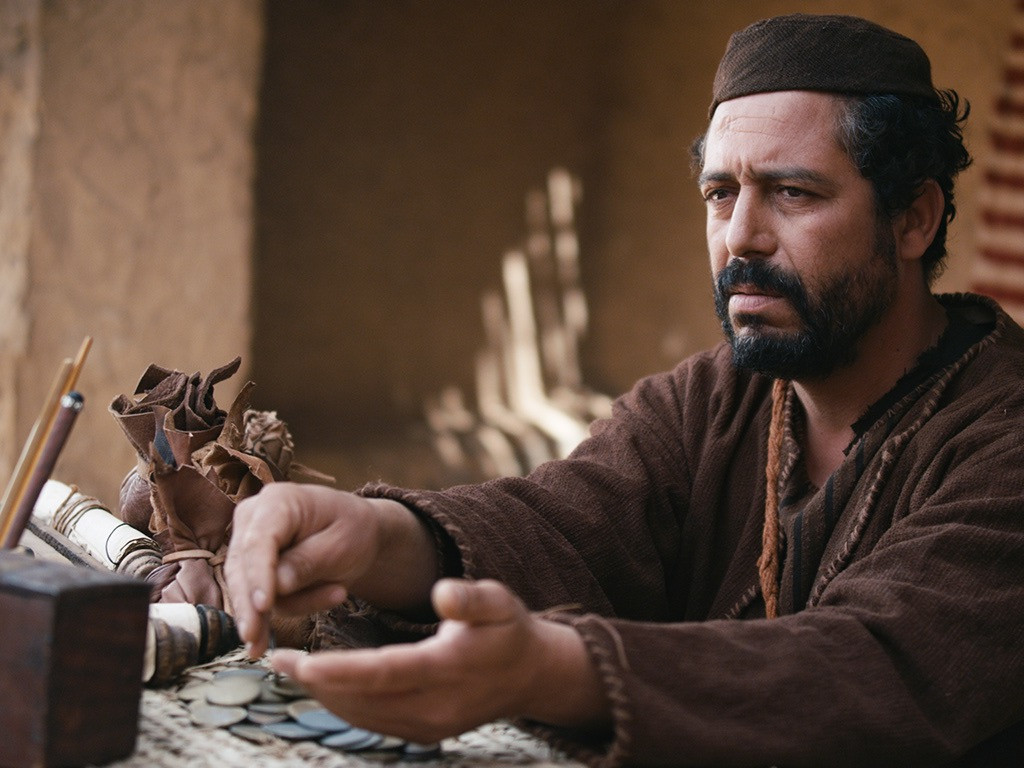
Jesus went out to the lakeshore after healing and forgiving the sins of a paralytic proving His deity in Peter’s house. Again, Jesus was teaching all who came to Him. “Then Jesus went out to the lakeshore again and taught the crowds that were coming to him.” (Mk.2:13 nlt) Jesus came to a tax booth near the Sea of Galilee. Tax booths were set up by the Roman government to collect taxes for infrastructure and to support the government. They were set strategically along the main roads to collect tolls like in our day. Commercial fishing was also taxed, so you would find a tax booth near a major fishing location. There Jesus saw Levi in his tax collector’s booth and said to him, ‘follow me and be my disciple.’ Levi didn’t hesitate to leave his lucrative job behind he went out and followed Jesus.  

Levi is a good example for us to look at of one having a radical change after accepting Christ as savior. Levi was a tax collector, one of the most despised people in Israel at that time. Tax collection ran like our modern-day franchises. Tax offices were purchased from the Roman government with the right to collect taxes in a certain area. Operators were allowed to keep everything above the required government tax rate. Tax collectors made an exuberant living by charging excess fees far above what was reasonable, and most were dishonest. These tax collectors were making themselves rich at the expense of their own people. Levi left the money on the table, realizing that he needed a savior more than the money due to his sins, and he was now about to show everyone his radical change.

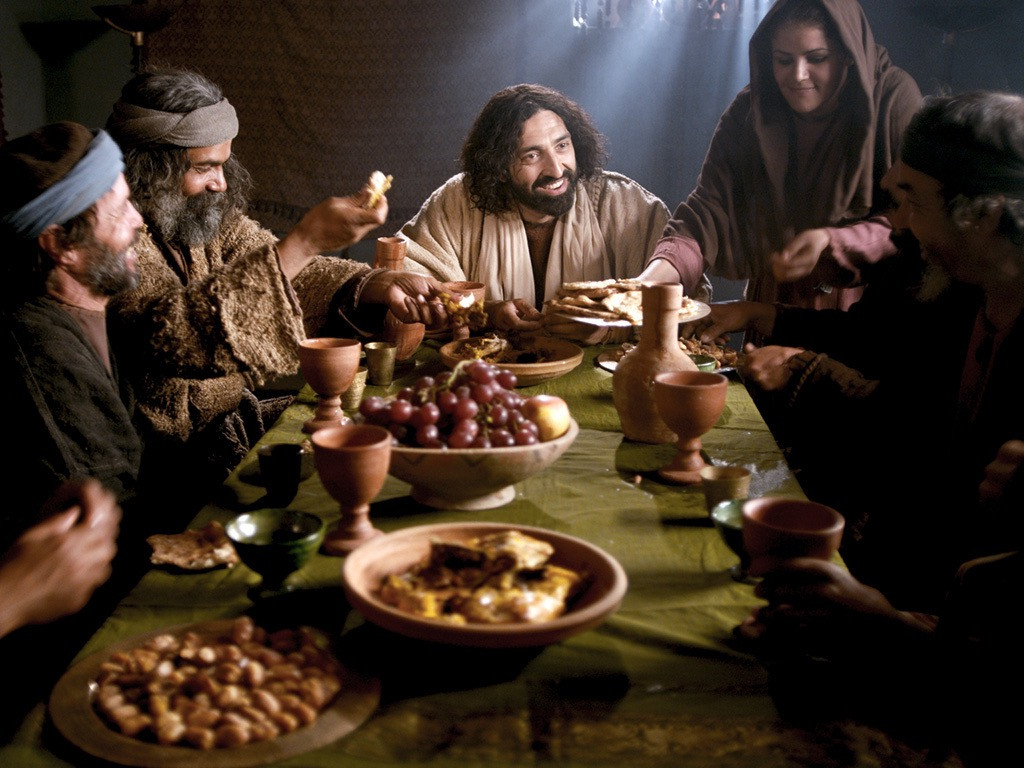
Levi’s quick response to Jesus and what he is about to do next is a testimony to the genuineness of his conversion. Levi decided to have a dinner party in honor of Jesus and invite his friends, colleagues, and associates. “Later, Levi invited Jesus and his disciples to his home as dinner guests, along with many tax collectors and other disreputable sinners.” (Mk.2:15 nlt) Levi wanted his guests to meet Jesus who had made such a change in his life. This did not sit well with the Jewish leaders who were looking for anything to discredit Jesus. Jesus sitting among these people and having a meal with them was an offense to these Pharisaical leaders. “But when the teachers of religious law who were Pharisees saw him eating with tax collectors and other sinners, they asked his disciples, ‘Why does he eat with such scum?’” (Mk.2:16 nlt) The leaders felt any contact with these people would make Jesus a sinner. Sinner was a common term for tax collectors, adulterers, robbers, and the like. But in their eyes, anyone who did not follow the Mosaic Law as they interpreted it were sinners, or scum.

Christians today need to be careful we don’t look down on non-Christians by not associating with them. Jesus gave us a command to go into all the world and preach the gospel making disciples in all nations. (Mt.28:19-20) Jesus also said “But I say, love your enemies! Pray for those who persecute you! If you love only those who love you, what reward is there for that? Even corrupt tax collectors do that much.” (Mt.5:44, 46 nlt) Jesus answered the Jewish leaders in Levi’s home by saying, “Healthy people don’t need a doctor—sick people do. I have come to call not those who think they are righteous, but those who know they are sinners.” (Mk.2:17 nlt) A self-righteous person feels no need to come to Christ for salvation, but a sinner does. And that sinner will have a radical change take place in their life for all their friends and the world to see.

FreeBibleimages.org
Bible Studies

“Jesus Proves His Deity” The Good News of Jesus Christ: the book of Mark

Read: Mark 2:1-12 NLT – Jesus Heals a Paralyzed Man – When – Bible Gateway

“So I will prove to you that the Son of Man has the authority on earth to forgive sins.” Mark 2:10a NLT

FreeBibleimages.org

Jesus had become a popular figure with the Jewish people as we saw in last week’s Biblical Insights. This week Jesus becomes a polarizing figure with the Jewish leaders, the teachers of the Law. Jesus finished His first tour through Galilee and returned to Capernaum. Scripture says the news spread quickly that He was home. People of celebrity status find it difficult to return home without a big fanfare or with news leaking out. Jesus was indeed well-known. Remember He was forced to go outside the city to continue His ministry due to the crowds, and He has now returned home with His disciples. Most likely Jesus stayed in Peter’s home while in Capernaum. It would become Jesus’ ministry headquarters. Capernaum was convenient as it was centrally located with direct access to the Sea of Galilee.

It didn’t take long for Peter’s home to be filled with people wanting to see Jesus for healing and to hear Him teach. There was no more room in the house and an overflow crowd was assembling outside reminiscent of today’s concert venues and speaking events of famous people. While Jesus was preaching, four men arrived carrying their paralyzed friend on a mat. There was no way into the house due to the crowd, but they were determined to get their friend to Jesus for his paralytic condition was severe. There was only one thing to do, if they couldn’t get in by going through the door, they would go through the roof.

“They couldn’t bring him to Jesus because of the crowd, so they dug a hole through the roof above his head. Then they lowered the man on his mat, right down in front of Jesus.” (Mk.2:4 nlt) Palestinian houses of that day had a flat roof that were used for relaxation in the cool of the day and sleeping during hot nights. They had an outside staircase which led up to the roof. The roof was made with a thick layer of clay baked by the sun, then covered with mats and branches across wooden beams. The four men saw their opportunity to help their friend and proceeded up the staircase to the roof.

Once on the roof, they dug a hole through the clay large enough to lower the paralytic down in front of Jesus. Jesus recognized that these men, including the paralytic, had the faith the He could heal the man physically. But Jesus took care of the most pressing need first. The forgiveness of sins for salvation. “Seeing their faith, Jesus said to the paralyzed man, ‘My child, your sins are forgiven.’” (Mk.2:5 nlt) Many Jews believed that one’s illness, especially severe, was because one’s sins. Once Jesus heals the man of his paralysis, which only God can do, they could not deny that He could forgive sins. But the Jewish leaders did just that.

The Jewish leaders thought to themselves Jesus was committing blasphemy, for only God could forgive sins. Jewish theology taught that even the Messiah could not forgive sins, so indeed, Jesus was a blasphemer in their eyes, He was claiming deity. Jesus asked them, “Why do you question this in your hearts? Is it easier to say to the paralyzed man ‘Your sins are forgiven,’ or ‘Stand up, pick up your mat, and walk’?” (Mk.2:8b-9 nlt) It may be easier to say ‘Your sins are forgiven’ but when the paralytic gets up and walks, proof that Jesus healed him, it is proof that Jesus has the power to forgive sins as well.

“Then Jesus turned to the paralyzed man and said, ‘Stand up, pick up your mat, and go home!’ And the man jumped up, grabbed his mat, and walked out through the stunned onlookers. (Mk.2:10b-12a nlt) The man came into the house through the roof laying on a mat and went out walking through the front door to the amazement of those around. The paralytic was completely healed, which no one could deny. It was another one of Jesus’ instantaneous healings. This miracle healing along with Jesus proving His deity intensified the conflict between Jesus and the Jewish leaders. It put the leaders in conflict with Jewish people, for the people “were all amazed and praised God, exclaiming, ‘We’ve never seen anything like this before!’” (Mk.2:12b nlt) A Biblical Insight for us is, ‘preaching the truth about the deity of Jesus Christ is sure to find conflict especially in our day.’ May we continue to be faithful and proclaim Jesus is God the Son. For Jesus said, “So I will prove to you that the Son of Man has the authority on earth to forgive sins.” (Mk.2:10a nlt)

FreeBibleimgaes.org