Bible Studies

“Prayerful Repentance” LIVING IN BABYLON: The Book of Daniel

“O my God, lean down and listen to me. Open your eyes and see our despair. See how your city—the city that bears your name—lies in ruins. We make this plea, not because we deserve help, but because of your mercy.” Daniel 9:18 NLT

FreeBibleimages.org

            We have come to end of our short study of the book of Daniel covering the historical narrative of chapters 1-6. The rest of the book is apocalyptic material and eschatological in theological content. We will conclude with the main theme of our study ‘Living in Babylon’ a comparison of living in our world today with lessons we can learn from the Jewish captives living in ancient Babylon. In our final lesson we will learn from Daniel’s example of his prayer in chapter 9.

            Daniel is in his 67th year of captivity with his Jewish brothers and sisters. Taken captive as a teenager, Daniel is now past eighty years old. He is keenly aware from reading the Old Testament scrolls of Jeremiah’s prophecy the captivity would last 70 years. The time was rapidly approaching for the nation to return to their homeland. Daniel offers up a powerful prayer of repentance not only for himself, but for the whole nation of Israel, fasting, covering himself with sackcloth and ashes. The nation is about to go back to the land they were driven from due to their sin towards the Lord God. Daniel’s pattern of prayer serves as a good model for us to follow in our daily prayers. It is filled with worship to God, humility, confession of sin, and making our requests known to Him.

            Daniel begins his prayer by acknowledging how great and awesome God is. He always fulfilled His covenant with Israel keeping His promises as they obeyed Him. But then Daniel confesses, “But we have sinned and done wrong. We have rebelled against you and scorned your commands and regulations.” (Dan. 9:5nlt) The Jewish people refused to heed the many warnings God had given for many years through the prophets He sent them. Daniel furthers acknowledged God was in the right to punish them as He had. The guilty was not just a few or those only living in Jerusalem, but the entire nation was guilty. “All Israel has disobeyed your instruction and turned away, refusing to listen to your voice.” (Dan. 9:11nlt)

            The confessions in Daniel’s prayer can easily be applied to the modern-day Babylon we are living in. Referring to ancient Israel Daniel confessed, “O LORD, we and our kings, princes, and ancestors are covered with shame because we have sinned against you.” (Dan. 9:8nlt) All one needs to do is to look around and review the news cycle over the last 50 years to wonder if Daniel wasn’t referring to many countries in our world today with the United States on top of the list. Israel had been warned many times throughout their history of the consequences of their disobedience and even suffered for it before the Babylon captivity, and still they refused to obey God. “Every curse written against us in the Law of Moses has come true. Yet we have refused to seek mercy from the LORD our God by turning from our sins and recognizing his truth.” (Dan. 9:13nlt) I’m afraid if the United States and other countries around the world continue this path of rejecting the Lord God of heaven and earth, a day of judgment is the horizon.

            Daniel praises God for His blessings of bringing the nation Israel out of the bondage of slavery in Egypt. “O Lord our God, you brought lasting honor to your name by rescuing your people from Egypt in a great display of power. But we have sinned and are full of wickedness.” (Dan. 9:15nlt) Dismissing the Lord’s past blessings they continued to sin against God bringing judgment upon themselves. The United Staes of America has been richly blessed by God from its founding, but as with the nation of Israel, it has turned its back on God. If God had not spared His people from judgement, the United States and all other countries of the world will not be spared either.

Photo by adrianna geo on Unsplash

            Making his petition to God, Daniel knowing of God’s mercies asks Him to turn His anger away from them as they prepare to return to Jerusalem. Daniel doesn’t want God’s name to dishonored by the surrounding nations as Israel was a reproach to them. Daniel pleas for mercy for their restoration back in the Holy Land. “O my God, lean down and listen to me. Open your eyes and see our despair. See how your city—the city that bears your name—lies in ruins. We make this plea, not because we deserve help, but because of your mercy.” (Dan. 9:18nlt) Daniel is offering a prayer for repentance for the nation because God is merciful. May all of us pray for the country in which we live during our days in Babylon and be praying for each other, not that we deserve it, but because God is merciful.

Read: Daniel 9:1-19 NLT – Daniel’s Prayer for His People – It – Bible Gateway

Bible Studies

“Legitimate Disobedience” LIVING IN BABYLON: The Book of Daniel

“But when Daniel learned that the law had been signed, he went home and knelt down as usual in his upstairs room, with its windows open toward Jerusalem. He prayed three times a day, just as he had always done, giving thanks to his God.” Daniel 6:10 NLT

Photo by Library of Congress on Unsplash

            The United States has had its share of civil disobedience since its independence. Defined by Merrian-Webster as refusal to obey governmental demands or commands especially as a nonviolent and usually collective means of forcing concessions from the government” has been used by people over the years for a vast range of issues. Some examples of civil disobedience in the United States include, Susan B. Anthony arrested for illegally voting in the 1872, Rosa Parks refused to give up her seat to a white man on an Alabama bus in 1955, the Vietnam war period had many protests resulting in civil disobedience, and the pro-life movement has been actively involved in similar demonstrations having led to civil disobedience. Is all civil disobedience legitimate disobedience? Being obedient to holy God, the ultimate ruler and authority, in standing up for the truth spelled out in His word is what is expected from every Christian.

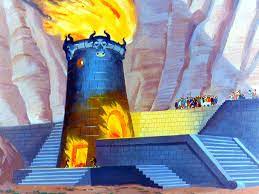
            Our study in the book of Daniel presented us with an example of ‘legitimate disobedience’ in chapter 3. Shadrach, Meshach, and Abednego refused to bow down and worship the golden stature King Nebuchadnezzar set up. These three were notable officials in the king’s court and yet took the stand of refusing to worship anything or anyone other than the true God. Legitimate disobedience to those in authority has its consequences as Shadrach, Meshach, and Abednego found out. The Lord God delivered them from harm in the fiery furnace, however they did not know that would in fact be the case. They still took a righteous stand for God.

            As we approach chapter 6, we have another encounter of ‘legitimate disobedience.’ Darius the Mede was king who divided his kingdom into 120 provinces with officials over each one and three administrators over all the officials. Daniel was one of the three administrators and soon to be promoted to the top position in the empire due to expertise and work ethic. His two colleagues and some of the officials resented a Jewish captive holding such a high position and tried to find some dirt on him. “Then the other administrators and high officers began searching for some fault in the way Daniel was handling government affairs, but they couldn’t find anything to criticize or condemn. He was faithful, always responsible, and completely trustworthy.” (Dan. 6:4nlt) When their efforts failed, they devised a plan to get rid of him.

            Daniel’s conspirators came up with a foolproof plan guaranteed to bring him down. They were aware of Daniel’s work ethic and loyalty to Darius the king, but they were also aware of his devotion to the God of heaven he prayed to three times a day as was his practice. The officials brought a proposal to the king in the guise of total agreement of all of them (note Daniel wasn’t there) “……that the king should make a law that will be strictly enforced. Give orders that for the next thirty days any person who prays to anyone, divine or human—except to you, Your Majesty—will be thrown into the den of lions.” (Dan. 6:7nlt) Laws passed in the Medo-Persian empire were unchangeable and could not be reversed even by himself once he signed it, and he signed this one. They had him, or so they thought.

            Living in Babylon today is not much different than Daniel’s day. Our conspirators today use the same tactics to overthrow us and bring us down. Authentic Christianity today lived out is guaranteed to upset those who hold to a secular worldview. Secularists despise those of faith in authority. They will expose a conviction held by Christians in a negative light, even pursing legal action to remove and discredit them. Unfortunately, there are many who cave and compromise.

            Daniel is an example needed in our world today. He did not cave. His enemies knew he wouldn’t. Their plan was foolproof for they knew of Daniel’s integrity and convictions. “Then the officials went together to Daniel’s house and found him praying and asking for God’s help. So they went straight to the king and reminded him about his law.” (Dan. 6:11-12a nlt) King Darius also knew Daniel would not give in when the officials reported Daniel’s continued prayer habits. “Hearing this, the king was deeply troubled, and he tried to think of a way to save Daniel. He spent the rest of the day looking for a way to get Daniel out of this predicament.” (Dan. 6:14 nlt) Darius realized he was used by those who wanted Daniel dead, the most competent and loyal administrator he had.

Photo by Mika Brandt on Unsplash

            We know the rest of the story. The king had no choice but to have Daniel thrown into the lion’s den but had hope that Daniel’s God would save him. (Dan. 6:16) We know God did indeed save him by sending an angel to shut the lion’s mouths, but again as with Daniel’s three friends thrown into the fiery furnace, he did not know if God would save him, but knew that He could.  Daniel took a courageous stand of ‘legitimate disobedience’ for he was not about to let any authority prevent him from praying to the Lord God. A foolproof plan today only works against us if we become a Daniel and hold to our convictions, not cave, or compromise trusting God for the outcome in whether He will deliver us. Do we have the courage to do more than civil disobedience, but to stand for God in ‘legitimate disobedience?’

Read: Daniel 6 NLT – Daniel in the Lions’ Den – Darius the – Bible Gateway

Bible Studies

“Handwriting on the Wall” LIVING IN BABYLON: The Book of Daniel

“So they brought these gold cups taken from the Temple, the house of God in Jerusalem, and the king and his nobles, his wives, and his concubines drank from them. While they drank from them they praised their idols made of gold, silver, bronze, iron, wood, and stone.” Daniel 5:3-4 NLT

FreeBibleimages.org

The statement ‘Those who cannot learn from history are doomed to repeat it’ is attributed to American philosopher George Santayana. To quote him in ‘The Life of Reason: Reason in Common Sense’ he wrote, “Those who cannot remember the past are condemned to repeat it.” The Babylonian empire had a rich history which was well-known within and outside the empire. But George Santayana’s statement rings true for King Belshazzar, he did not learn from history, and he was about to repeat it in a big way. Doom is sure to follow.

As we approach chapter 5 in the book of Daniel, we find a new king as head of the Babylonian empire. Nebuchadnezzar died in 562 B.C. and the events of chapter 5 take place 23 years later in 539 B.C. Babylon had been under siege by the armies of Medo-Persia who were just outside the walls of the city. King Belshazzar, to boost morale for his nobles, gave a great feast for them to enjoy. During the feast he gave orders to bring in the cups of gold and silver that were captured from the temple in Jerusalem to be used to drink from. Perhaps a part of his strategy was to flout the destruction of Jerusalem years earlier presenting the cups as evidence of a mighty conquest. But his real objective was to use them to praise their idols made of gold, silver, bronze, iron, wood, and stone in hopes of being delivered from the Medo-Persians. Belshazzar mocked the God of heaven as his predecessor Nebuchadnezzar had done years earlier.  

Living in Babylon today there are plenty of leaders who are mocking God praising and leaning on their idols of power, money, idealism, greed, military strength, the cultural revolution, and the three ‘isms’, fascism, socialism, and communism. These leaders fail to accept there is a God in heaven who is the ultimate authority, and He has entrusted them to governed in order that we may live peaceful lives. Even those who believe there is a God are far from governing in line with the pages of scripture. I’m afraid my own country, the United States, is sadly among them.  

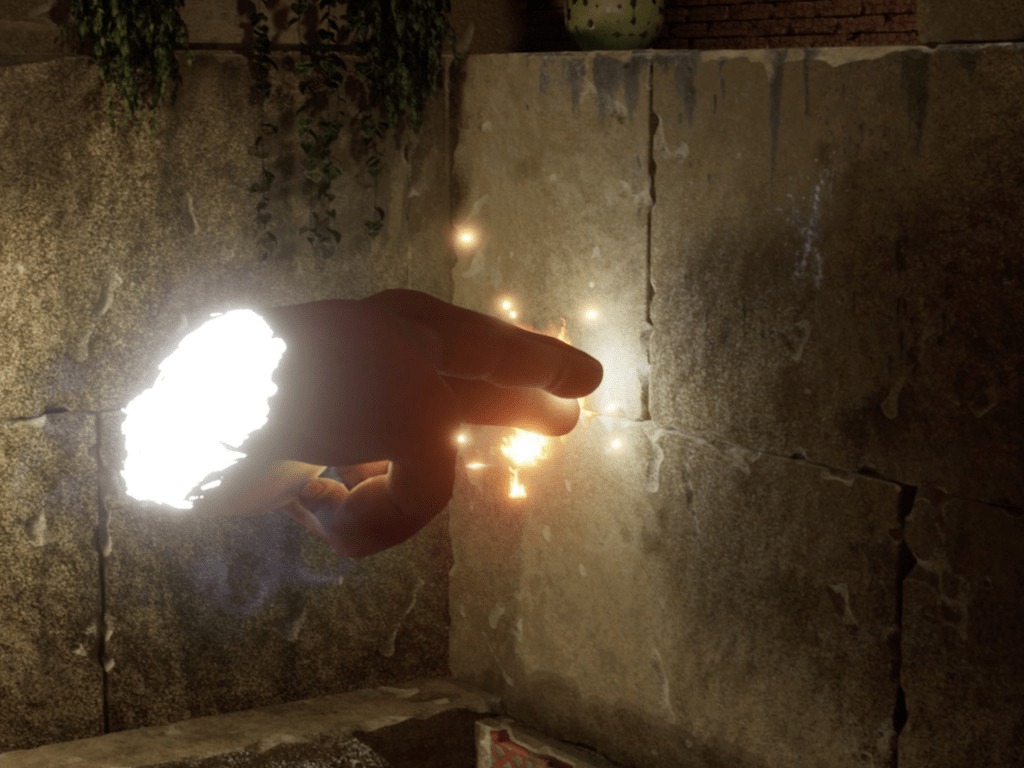
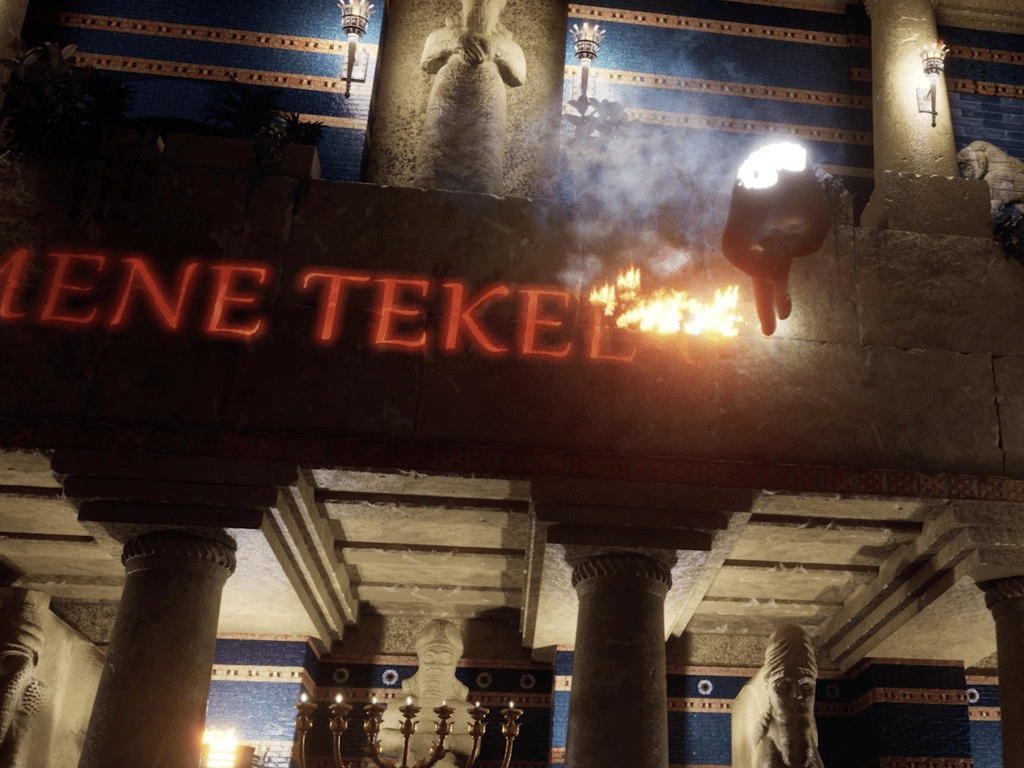
This gala event was in full swing, perhaps at the height of the party, when “Suddenly, they saw the fingers of a human hand writing on the plaster wall of the king’s palace, near the lampstand. The king himself saw the hand as it wrote.” (Dan. 5:5 NLT) You’ve heard of ‘the handwriting on the wall’, well this is it right from the pages of the Bible. The mighty King Belshazzar turned white with fright. His knees knocked together and he nearly collapsed immediately calling for his wise men to read the writing and explain what it means. Again, as in Nebuchadnezzar’s Day they were of no help to him for they were deceivers themselves worshiping the same idols. “So the king grew even more alarmed, and his face turned pale. His nobles, too, were shaken.” (Dan. 5:9 NLT) It was time once again to call in Daniel, the only one who worshiped the God of heaven.

This may have been the first encounter the king had with Daniel. It appeared Belshazzar didn’t even know Daniel when the queen mother persuaded the king to call him based on her previous knowledge of Daniel’s dealings with Nebuchadnezzar. Daniel wasted no time in responding to the king, but first gave him a history lesson. Daniel began by saying, “Your Majesty, the Most High God gave sovereignty, majesty, glory, and honor to your predecessor, Nebuchadnezzar. But when his heart and mind were puffed up with arrogance, he was brought down from his royal throne and stripped of his glory.” (Dan. 5:18, 20 NLT) Daniel proceeded to tell the king in detail of Nebuchadnezzar’s demise and then let Belshazzar know, “O Belshazzar, and you knew all this, yet you have not humbled yourself…..……you have not honored the God who gives you the breath of life and controls your destiny!” (Dan. 5:22, 23b NLT) He didn’t learn from history the consequences of not giving the God of heaven praise for the kingdom He had given him or even for his own life.

FreeBibleimages.org

What was written was straight to the point; ‘MENE, MENE, TEKEL, and PARSIN.’ Mene means your days are numbered. Tekel means you have been weighed on the balances and have not measured up. Parsin means your kingdom has been divided and given to the Medes and Persians. It happened quickly. “That very night Belshazzar, the Babylonian king, was killed. And Darius the Mede took over the kingdom at the age of sixty-two.” (Dan. 5:30-31 NLT)

The Lord God of heaven does not share His glory and He is not mocked. (Gal. 6:7) King Belshazzar found that out and world leaders today also will find it out for themselves if they do not change their ways. But this is not just a lesson for world leaders. It applies to each of us living in today’s Babylon. Being outnumbered as Daniel had been requires Christians to be on guard and faithful to the Lord God of heaven. We are to know all that we have is from God, and He is the one who receives all the glory and the praise!

Read: Daniel 5 NLT – The Writing on the Wall – Many years – Bible Gateway

Bible Studies

“The Insanity of Human Pride” LIVING IN BABYLON: The Book of Daniel

“As he looked out across the city, he said, ‘Look at this great city of Babylon! By my own mighty power, I have built this beautiful city as my royal residence to display my majestic splendor.’” Daniel 4:30 NLT

            A godless society provides the right environment for seeds of pride to grow. Without having God to answer to, it becomes all about me. All my accomplishments are of my doing. The successes I enjoy are through the skill sets I have developed over the years. They are the product of hard work securing a vast education and using that knowledge and experience along with my natural abilities and keenness. Such rationalization is applauded nowadays. There is nothing wrong with being successful. Higher education should be pursued, and a good strong work ethic is a positive trait and is looked upon favorably. But Christians need to be careful in developing skill sets to remember where our natural abilities come from, and who is guiding, leading, and helping us along the way. Jesus reminds us, “For apart from me you can do nothing.” (Jn. 15:5)

            In our continued weekly ‘Living in Babylon’ series, we come now to chapter 4 of the book of Daniel where see the insanity of human pride. Last week in chapter 3, Nebuchadnezzar erected a statue representing himself to be worshiped. When Shadrach, Meshach, and Abednego refused, the king had them thrown into the fiery furnace. To Nebuchadnezzar’s amazement the Lord God sent His angel to deliver them from the flames. Nebuchadnezzar had a change of heart saying, “Praise to the God of Shadrach, Meshach, and Abednego! He sent his angel to rescue his servants who trusted in him. They defied the king’s command and were willing to die rather than serve or worship any god except their own God.” (Dan. 3:28 NLT) He then made a decree that no one is to speak a word against the God of Shadrach, Meshach, and Abednego. But in a pagan culture, a change of heart is centered on the power of a god and not recognition of the true God. Nebuchadnezzar had another change of heart.

            Nebuchadnezzar praises God again in chapter 4 by saying, “I want you all to know about the miraculous signs and wonders the Most High God has performed for me. How great are his signs, how powerful his wonders! His kingdom will last forever, his rule through all generations.” (Dan. 4:2-3 NLT) The king has another dream that troubled him and calls for the wise men to interpret it. These are the same men who couldn’t help the king in chapter 2 and cannot help him now by interpreting his dream. Nebuchadnezzar then calls for his ace in the hole, Daniel, who has accurately interpreted his dream concerning the statue with the head of gold. Daniel does indeed give the king an accurate interpretation to his latest dream, one that troubles Daniel as well.

            I’m sure we have all heard the saying, ‘pride comes before a fall.’ Perhaps some of us witnessed such a disaster. Daniel was not only going to witness one, but he would be the one to inform the king that it would happen to him and in the most humiliating way. Although the king had praised God’s wonderful signs; the seeds of pride within Nebuchadnezzar’s mind have been sprouting and growing now for some time. The Lord would tell the king through the dream Daniel interpreted that he would be disposed from his kingdom by a period of insanity that would come upon him due to his pride. He would be driven out into fields and live like a wild animal for seven years until he came to senses and acknowledges that God rules over all the kingdoms of world. And so it happened, “As he looked out across the city, he said, ‘Look at this great city of Babylon! By my own mighty power, I have built this beautiful city as my royal residence to display my majestic splendor.’ While these words were still in his mouth, a voice called down from heaven, ‘O King Nebuchadnezzar, this message is for you! You are no longer ruler of this kingdom.’” (Dan. 4:30-31 NLT) The king was driven out by his pride.

            Living in modern day Babylon has its challenges for Christians. The sin of pride is certainly evident in our society. But we must also acknowledge that pride is at the root of all sin. Christians must be careful not be influenced by the culture and allow the seeds of pride to find fertile soil in our hearts and minds ready for planting. Lest we join in the insanity of human pride.

Read: Daniel 4 NLT – Nebuchadnezzar’s Dream about a Tree – Bible Gateway

Bible Studies

“Willing to Die” LIVING IN BABYLON: The Book of Daniel

“Then Nebuchadnezzar said, ‘Praise to the God of Shadrach, Meshach, and Abednego! He sent his angel to rescue his servants who trusted in him. They defied the king’s command and were willing to die rather than serve or worship any god except their own God.’” Daniel 3:28 NLT

Photo by Ben Burkhardt on Unsplash

            The third chapter of the book of Daniel records the first of two favorite children Sunday School stories found in Daniel. Of course, I’m referring to the story of Shadrach, Meshach, and Abednego. As the story goes, these three young men, Hananiah, Mishael, and Azariah (their Hebrew names) refused to bow down and worship the gold statue Nebuchadnezzar had erected. The king demanded worship of the statue at the instant of hearing musical instruments. Any who refused would be thrown into a blazing fiery furnace. Shadrach, Meshach, and Abednego were willing to die than to worship any pagan gods, even a golden statue set up by the king himself.

            I’m sure Shadrach, Meshach, and Abednego didn’t anticipate this tragic event happening. They were in obedience to the Lord in participating for the welfare of Babylon, their new home. They were also in Nebuchadnezzar’s service as a few of the most educated and wisest officials in the king’s court. But they were living in a pagan culture with no regard for the God of the Hebrews, the true God, and was governed by a ruler who was as fickle as the weather.

            King Nebuchadnezzar had earlier praised the God of Heaven for revealing his dream to him through Daniel, but he quicky forgot God. He elevated himself by erecting a statue overlaid in gold to represent himself and his kingdom as in his dream, the head of gold in chapter 2. An announcement was made to gather all the officials of Nebuchadnezzar’s empire to pledge their allegiance in the dedication of the golden statue. “Then he sent messages to the high officers, officials, governors, advisers, treasurers, judges, magistrates, and all the provincial officials to come to the dedication of the statue he had set up.” (Dan. 3:2 NLT) The king demanded worship of the golden statue which represented his kingdom, but also possibly the god Nabu meaning ‘Nabu, protect my son!’, or ‘Nabu, protect my boundary!’ The Jewish people were truly living in a pagan culture, and Shadrach, Meshach, and Abednego will soon find out how much it would cost them.

            Much like in our day with the tolerance, D.E.I., reproductive rights, and hate speech police watching every move of Bible believing Christians, Shadrach, Meshach, and Abednego had their own thought police keeping tabs on them. Their colleagues in the king’s court blew the whistle on them. Daniel 3:8 &12 says, “But some of the astrologers went to the king and informed on the Jews…. But there are some Jews—Shadrach, Meshach, and Abednego—whom you have put in charge of the province of Babylon. They pay no attention to you, Your Majesty. They refuse to serve your gods and do not worship the gold statue you have set up.” (NLT) Naturally these men were jealous and envied the three Hebrew officials who had a higher rank than them. Not only did they have powerful positions, but they did not bow down to the cultural demands of Babylon. Those in authority today are under supreme pressure to compromise to get along with the culture, but it also comes at a high cost, not only affecting themselves but others as well.  

            When brought before the king; Shadrach, Meshach, and Abednego had their minds made up. They didn’t need to think or pray about what their answer would be. “(They) replied, ‘O Nebuchadnezzar, we do not need to defend ourselves before you……Your Majesty, that we will never serve your gods or worship the gold statue you have set up.’” (Dan. 3:16, 18b) The king was furious by their outright refusal not to obey an order he had given. Not to be humiliated in front of those who were present he ordered them to be thrown into the blazing furnace. God miraculously saved them sending an angel in the heated furnace. Not a hair on their head was singed, nor the smell of smoke on them. But going in, they did not know if God would indeed save them.

FreeBibleimages.org

            We haven’t yet reached that point in our present-day Babylon in the United States, but other believers in other parts of the world have and will continue to do so. Perhaps it’s only a matter of time before we are faced with a Shadrach, Meshach, and Abednego experience. But if or when we are, will we be willing to die saying, “that we will never serve your gods or worship the gold statue you have set up.”

Read: Daniel 3 NLT – Nebuchadnezzar’s Gold Statue – King – Bible Gateway

Bible Studies

“Guilty by Association” LIVING IN BABYLON: The Book of Daniel

“The king was furious when he heard this, and he ordered that all the wise men of Babylon be executed. And because of the king’s decree, men were sent to find and kill Daniel and his friends.” Daniel 2:12-13 NLT

Photo by Pixabay on Pexels.com

Living in a godless society is like walking on eggshells for God-fearing people. It’s walking a tightrope high above a sea of debauchery. One false move and you either fall into it willingly and participate in the corruption, or you call on the Lord to sustain you through it. Christians often find themselves needing to choose between conforming to the accepted norms of the culture or take a stand for the Lord and the truth of His Word. We saw last week in our Biblical Insights on the book of Daniel, the stand Daniel took in refusing to eat the king’s food in violation of the Hebrew law. Offering a plan B to the king’s chief of staff to replace the food with vegetables and water was blessed by God. Daniel and his friends were well nourished and appeared healthier compared to the other trainees in Nebuchadnezzar’s court. This week we highlight the Lord’s blessing on the value of prayer while living in Babylon.  

Christians living in a godless culture may also find themselves guilty by association in a whimsical moment to convict all in a certain group whether guilty or not. Chapter 2 begins with Daniel in the royal service of King Nebuchadnezzar who has a disturbing dream that kept him up all night. “He called in his magicians, enchanters, sorcerers, and astrologers, and he demanded that they tell him what he had dreamed. As they stood before the king, he said, ‘I have had a dream that deeply troubles me, and I must know what it means.’” (Dan. 2:2-3 NLT) Needless to say, his so-called pagan wizards and astrologers had no clue. They needed the king to first tell them his dream and then they would conjure up something that sounded good to please the king. The king threatened to have them all executed if they couldn’t tell him the dream and then interpret it. The astrologers tried to convince Nebuchadnezzar by saying it was impossible for any human to tell beforehand a person’s dream. The pagan king then ordered the execution of all the wise men which Daniel was one.

Living in Babylon, a pagan culture, is not without hope. Daniel had seen the Lord’s hand at work in placing him and Hananiah, Mishael, and Azariah in the king’s service. He knew they were not without hope for the Lord was with them. Daniel requested more time from the king, which was granted, and he and his three friends prayed to the God of heaven and sought His help in telling and interpreting the dream. The Lord answered by revealing the dream to Daniel and its interpretation in a vision that night. God does not forget those who are in His service even when placed in Babylon.

Daniel was then brought before King Nebuchadnezzar confirming what the others had told him, “There are no wise men, enchanters, magicians, or fortune-tellers who can reveal the king’s secret. But there is a God in heaven who reveals secrets, and he has shown King Nebuchadnezzar what will happen in the future.” (Dan. 2:27-28 NLT) Daniel then preceded to tell the king his dream providing the interpretation. The king’s dream is a prophecy partially fulfilled of all the world kingdoms from King Nebuchadnezzar in Babylon to the final kingdom to come of Christ’s kingdom at His second coming. Daniel completed by saying “The great God was showing the king what will happen in the future. The dream is true, and its meaning is certain.” (Dan. 2:45b NLT)

Photo by Ben Burkhardt on Unsplash

The Lord once again blessed Daniel by his promotion to ruler over the province of Babylon and chief of all Nebuchadnezzar’s wise men. Hananiah, Mishael, and Azariah were also appointed over all the affairs of Babylon while Daniel served in the king’s court. There is a lesson for us today as we live in Babylon. The Lord can and will raise up those who are faithful to Him when faced with adversity or get pronounced guilty by association. A life of prayer is a must when living in a pagan culture. Daniel and his friends were in high positions in godless government system. Their example teaches us it is possible to live in the light of God’s Word living in Babylon as we continue to take a stand and bring everything before Him in prayer.

Read: Daniel 2:1-19, 46-49 NLT – Nebuchadnezzar’s Dream – One night – Bible Gateway

Bible Studies

“Be Determined Not to Defile Yourself” LIVING IN BABYLON: The Book of Daniel

“But Daniel was determined not to defile himself by eating the food and wine given to them by the king. He asked the chief of staff for permission not to eat these unacceptable foods.” Daniel 1:8 NLT

Photo by MJ RAHNAMA on Pexels.com

            During the next seven weeks in our Biblical Insights of Word for the Soul, we will be looking at the Old Testament book of Daniel. Our theme will be ‘Living in Babylon.’ There are many insights we can glean from pages of the book of Daniel which correspond to our day and age for Christians. In 605 B.C. Jerusalem was besieged by the Babylonian empire under the hand of Nebuchadnezzar. Most of the residents of the city were taken captive and carried off to Babylon, their new home for the next seventy years.

The Jewish people were now living in captivity in a pagan culture due to their rebellion and sin against the Lord their God, but God had not abandoned them. The Lord told them to have families, raise crops and seek the welfare of the people and the city of Babylon while they were there. Life for the Jews was difficult in Babylon for there was no mention of the God of the Bible, as many foreign pagan gods were the subject of worship. The culture was anti the true God with reminders of that at every turn, however this was now their home, and the Lord said He would be with them. Christians around the world, particularly in the United States, are living today in Babylon, a culture which is also anti God of the Bible. But as the Jews in Babylon, God has not abandoned us either.

Nebuchadnezzar took full advantage of the strong, healthy, intelligent, and gifted young men among the captives. He ordered they be trained in the language, literature, and customs of Babylon to serve in the king’s royal palace. Doing so would wash away any reminders of their homeland or the God of heaven, or so they thought. The first phase of the brainwashing was to assign them new names to represent the gods of the Babylonians. The book of Daniel specifically lists four young men taken into training for the king’s service. Daniel, Hananiah, Mishael, and Azariah are their Hebrew names, we know them better as Belteshazzar, Shadrach, Meshach, and Abednego, their pagan Babylonian names.

An insight for us to see is the effort to remove any remaining thought of previous life and to assimilate into a new culture. Our current secular world culture is the modern-day Babylonian empire forcing their way into the lives of God-fearing people to assimilate to the culture. Daniel and his friends experience this firsthand at the very beginning of living in their new surroundings and cemented an example for us to follow.

Naturally the newly acquired students in training for the king’s service were fed proper meals to ensure continued health and strength. They were given prepared meals from the king’s own kitchen and the best wine from his table. But there was one problem for Daniel, Hananiah, Mishael, and Azariah, the food and wine were offered to pagan gods. The Mosaic Law forbidden the consumption of food or wine sacrificed to a pagan god. Participating in eating this food would go against God’s holy standards for His people. The Bible says Daniel took a stand and was determined he was not going to defile himself with this pagan food and drink.

So, what are Christians to do when faced in compromising positions to assimilate to the culture when accepted is a violation of God’s standards. Daniel determined he would not defile himself with what he knew was sinful against the Lord God. Daniel and his three companions assimilated to their surroundings in every way that was not in violation of God’s laws. They were very successful in the service of the king and the government in Babylon for obeying God.

The Lord does not want us to hide ourselves disengaging from the culture but to assimilate for the progress and welfare of those around us. But Christians are not to compromise by assimilating to and accepting sinful practices as the current culture demands. The Lord will not abandon us, as He did not leave His people in Babylon to fend for themselves but honored their commitment to Him with blessings of fruitfulness in a land and culture not their own. We can experience the same today by being determined not to defile ourselves with the king’s food.

Read the rest of the story in Daniel chapter 1: Daniel 1 NLT – Daniel in Nebuchadnezzar’s Court – Bible Gateway

Photo by Corbin Mathias on Unsplash
Bible Studies

SOLI DEO GLORIA (to God alone be the glory)

“So, whether you eat or drink, or whatever you do, do all to the glory of God” (I Corinthians 10:31, ESV).

“The aim and final end of all music, should be none other than the glory of God and the refreshment of the soul.” Johann Sebastian Bach

Photo by Xavier von Erlach on Unsplash

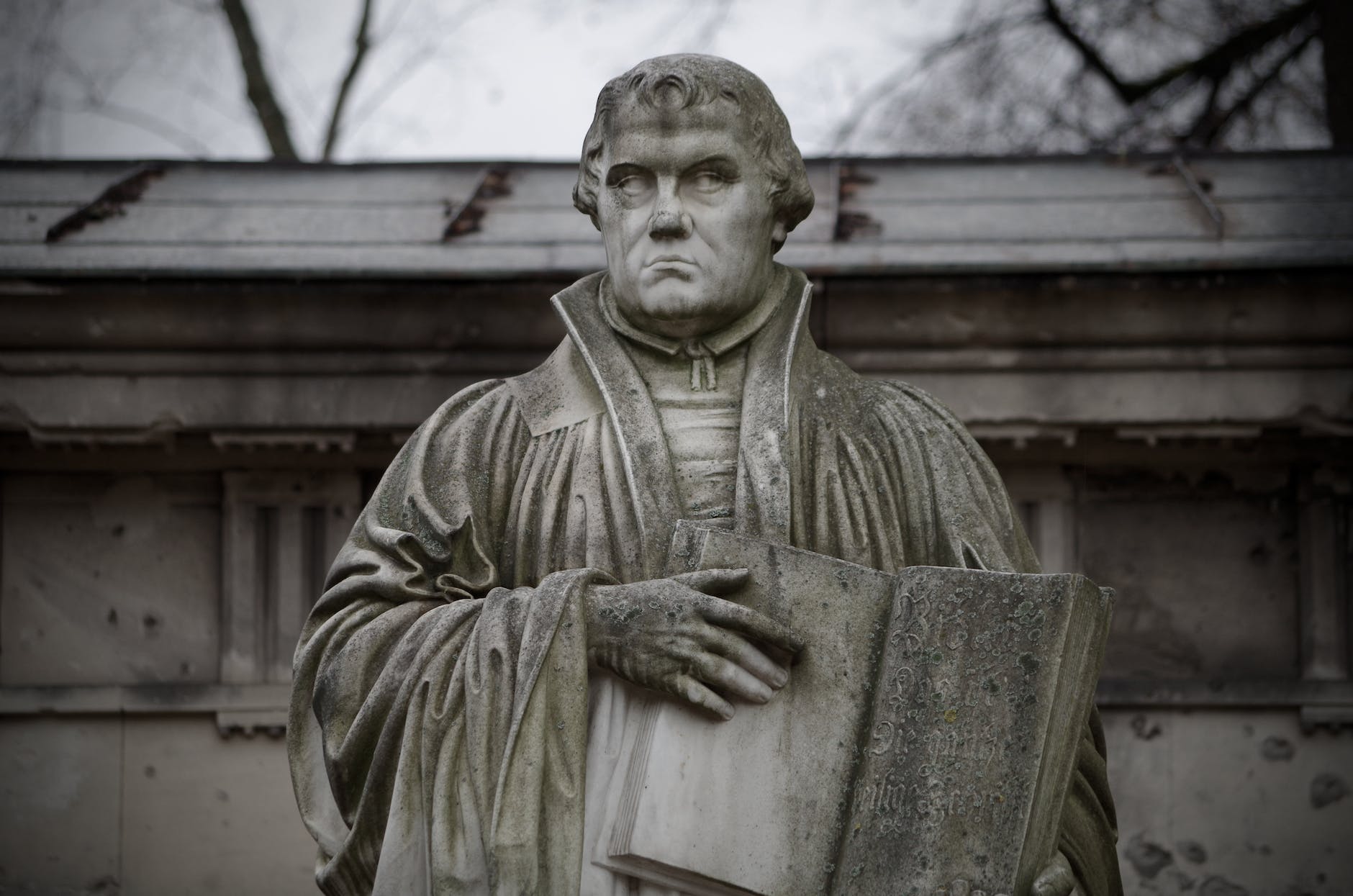
            One of the greatest composers in the history of Classical Music is Johann Sebastian Bach. Bach was born in Eisenach Germany in 1685 and lived under the shadows of Reformer Martin Luther’s teachings almost two centuries earlier. He realized it was God who gave him the gift of creating beautiful music. It was God making music through him. Bach would mark the top of each manuscript the initials J.J. (Jesu Juva— “Help me, Jesus”) and place S.D.G. (Soli Deo Gloria ‘to God alone, the glory’) at the completion of each composition. Johann Sebatian Bach was certainly living out Paul’s words, “So, whether you eat or drink, or whatever you do, do all to the glory of God” (1 Cor.10:31 ESV)

            It is foundational that we realize our talents and natural abilities come from our creator. In that alone we should be giving God the glory, for it is impossible to do anything without Him. After all it is not about us, but about God who has given us everything we need in this life. Therefore, all that we accomplish in this life should be to bring glory to God. There should be nothing that brings us greater joy than to glorify God. Jonathan Edwards notes, “by seeking to display the fullness of His glory, the Lord is at the same time seeking our joy.” The highest possible joy ever is bringing glory to God and He is certainly in favor of bestowing joy upon us. The psalmist writes, “Sing to him, sing praises to him; tell of all his wondrous works! Glory in his holy name; let the hearts of those who seek the LORD rejoice!” (Ps. 105:2-3 ESV)

            Again, our goal should be to proclaim God’s name giving Him the glory for everything. Our God is a holy God, a just God, a loving God, a forgiving and merciful God, a God of all truth, and a God of true light and purity. The Devotional series “Heart of the Reformation” notes, “We are to exalt His glory because it is the highest good and the only thing that can ultimately satisfy human beings. God’s highest aim is for the furtherance of His glory-ultimately everything God’s does is for His glory” This should be our goal as well.

Photo by Nico Smit on Unsplash
 

            In closing our survey at the Five Solas of the Reformation let us look at how they tie together in the Biblical and Reformed doctrine of salvation. Ultimately our salvation (saving of sinners from eternal damnation) is for the glory of God. “The Heart of the Reformation” series writes, “God’s own glory is His chief motivation to all that He does, and it is for that purpose of displaying His glory that God saves His people.” Scripture is clear salvation is of the Lord and not us, (Ps. 3:8) (sola Scriptura). It is through Christ alone, (solus Christus). By God’s free grace alone, (sola gratia). By faith in Jesus Christ alone, (sola fide). And for God’s glory alone, (Soli Deo Gloria). To God alone be the glory!

Bible Studies

SOLA FIDE (Faith Alone)

“No doctrine is more important to evangelical theology than the doctrine of justification by faith alone—the Reformation principle of sola fide. Martin Luther rightly said that the church stands or falls on this one doctrine.” John MacArthur

 “The doctrine of justification by faith is like Atlas: it bears a world on its shoulders, the entire evangelical knowledge of saving grace.” J. I. Packer

Photo by Olivia Snow on Unsplash

We have come to the fourth sola of the ‘Five Solas’ of the Reformation period, ‘sola fide’ or (faith alone.) Simply put, it is by faith alone with nothing added, in Christ Jesus alone, that we enter into a saving relationship with Him securing our salvation. The apostle Paul writes, “For by grace you have been saved through faith. And this is not your own doing; it is the gift of God.” (Eph. 2:8 ESV) A part of the gift God gives to us is the gift of faith to believe. We would not believe on our own, nor would we have the faith to do so. God grants it to us. Paul goes on further to say, “not a result of works, so that no one may boast.” (Eph. 2:9 ESV) There is nothing we can do to work our way into heaven. It is all by God’s grace alone to us through faith alone and nothing else.

            It is amazing that God sees us as righteous through His Son as we put our faith in Him. Our righteousness and justification comes only through Jesus Christ and what He accomplished in our place on Calvary’s cross. The Devotional series “Heart of the Reformation” notes, “Faith alone preserves the truth that the Lord is our only Savior. Faith looks outside of ourselves and only to Jesus as the Redeemer.” Again, there is nothing we can do to gain righteousness and be justified before God except through Jesus Christ. We are sinful creatures with a sin nature and find it impossible to keep any of God’s commandments. We could never accumulate enough good deeds to be seen as righteous in God’s eyes and earn our way to heaven. Dr. R. C. Sproul notes, “The question is not whether we are going to be saved through works; the question is whose works. We saved through the works of the one who alone fulfilled the terms of the covenant works.” We are to believe in faith the works of Christ on our behalf, and believe in faith alone!

            In Jesus’s parable of the Pharisee and the tax collector (Lk.18:9-14), Jesus points out to those who thought themselves to be righteous that they were not. The so-called righteous Pharisee in his prayer exalted himself by saying, ‘God, I thank you that I am not like other men, extortioners, unjust, adulterers, or even like this tax collector.’ The tax collector’s prayer was a humbling response, ‘God, be merciful to me, a sinner!’ Jesus explained, ‘I tell you, this man went down to his house justified, rather than the other.’ It couldn’t be clearer, Jesus is stating justification is by faith alone and not by works. “Martin Luther rightly said that the church stands or falls on this one doctrine.”

Bible Studies

SOLA GRATIA (Grace Alone)

“But no man can be thoroughly humbled until he knows that his salvation is utterly beyond his own powers, devices, endeavors, will, and works, and depends entirely on the choice, will, and work of another, namely, of God alone.” Martin Luther

Photo by Florian Chefai on Pexels.com

            The third of the Five Solas to be recognized during the Reformation period was ‘sola gratia’ or (grace alone). In the early sixteenth century there was an emphasis on church teaching of salvation by works of merit and indulgences. Scripture says we are saved by grace alone as Paul writes in the book of Ephesians, “For by grace you have been saved through faith. And this is not your own doing; it is the gift of God.” (Eph. 2:8 ESV) The first reformer of the sixteenth century was Martin Luther and he had said, “Our salvation depends entirely on the choice, will, and work of another, namely, of God alone.” We cannot take any credit leading to our salvation, God has done it all.

            Yes, ‘for by grace we been saved through faith,’ but the reality is God gives us the faith to believe in His Son through the Holy Spirit as He draws us to Himself. Our regeneration proceeds our faith. It is by His grace that He grants us the faith to believe in Jesus for we would never do this on our accord. Paul, the apostle, quoted from the Old Testament in the book of Romans, “as it is written: ‘None is righteous, no, not one; no one understands; no one seeks for God. All have turned aside; together they have become worthless; no one does good, not even one.’” (3:10-12 ESV) God’s saving grace towards sinners is His granting unmerited favor upon us. When God’s saving grace is applied to us it cannot fail to accomplish the purpose for which it was given.

            The saving grace that God bestows on His chosen cannot be understood or appreciated until we have a full knowledge of what we have been saved from. There is not one of us who has a right to eternal life, “for all have sinned and fall short of the glory of God.” (Ro. 3:23 ESV) We are all sinners in Adam, “Therefore, just as sin came into the world through one man, and death through sin, and so death spread to all men because all sinned.” (Ro. 5:12 ESV) And the punishment for sin is death, physical death and spiritual death being eternally being separated from God in the lake of fire. “And if anyone’s name was not found written in the book of life, he was thrown into the lake of fire.” (Rev. 20:15 ESV)

Photo by Abigail on Unsplash

            As we come to accept that there is nothing we could ever do to find favor with God to enter into His presence, we should find ourselves in continued praise and worship for what He has done for us through His grace. God has chosen to love us in Christ, underserving sinners that we are. As Paul writes again in Romans, “For if, because of one man’s trespass, death reigned through that one man, much more will those who receive the abundance of grace and the free gift of righteousness reign in life through the one man Jesus Christ.” (Ro. 5:17 ESV) May we chose to live for Him as He chose us to live with Him.