Bible Studies

“Parable of the Wicked Farmers” The Gospel of Jesus Christ: the book of Mark

Read: Mark 12:1-17 NLT – Parable of the Evil Farmers – Then – Bible Gateway

“The religious leaders wanted to arrest Jesus because they realized he was telling the story against them—they were the wicked farmers. But they were afraid of the crowd, so they left him and went away.” Mark 12:12 NLT

We’re back this week in the book of Mark on Biblical Insights. We left off two weeks ago as Jesus was being questioned as to His authority after He cleared the Temple of the merchants and money changers. The religious rulers were incensed by Jesus’ actions, and more so by the people following Him. They saw their authority and way of life slipping away right before their eyes and were determined to do something about it. Today, Jesus gives the rulers another reason for their hatred towards Him by speaking a parable against them.

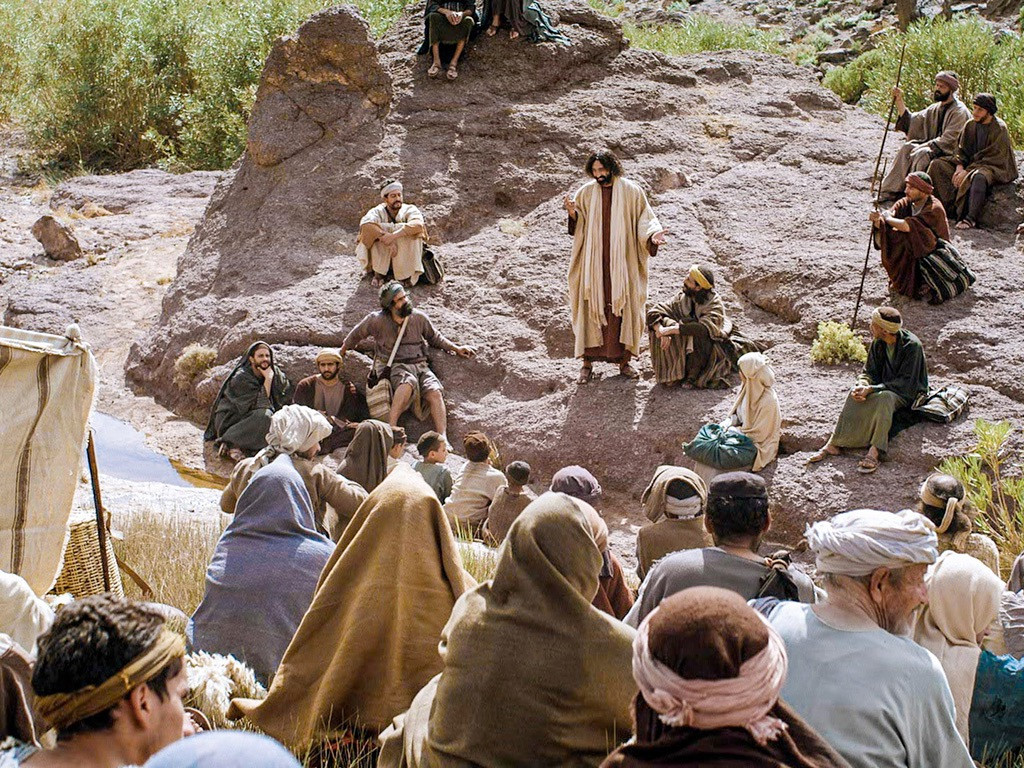
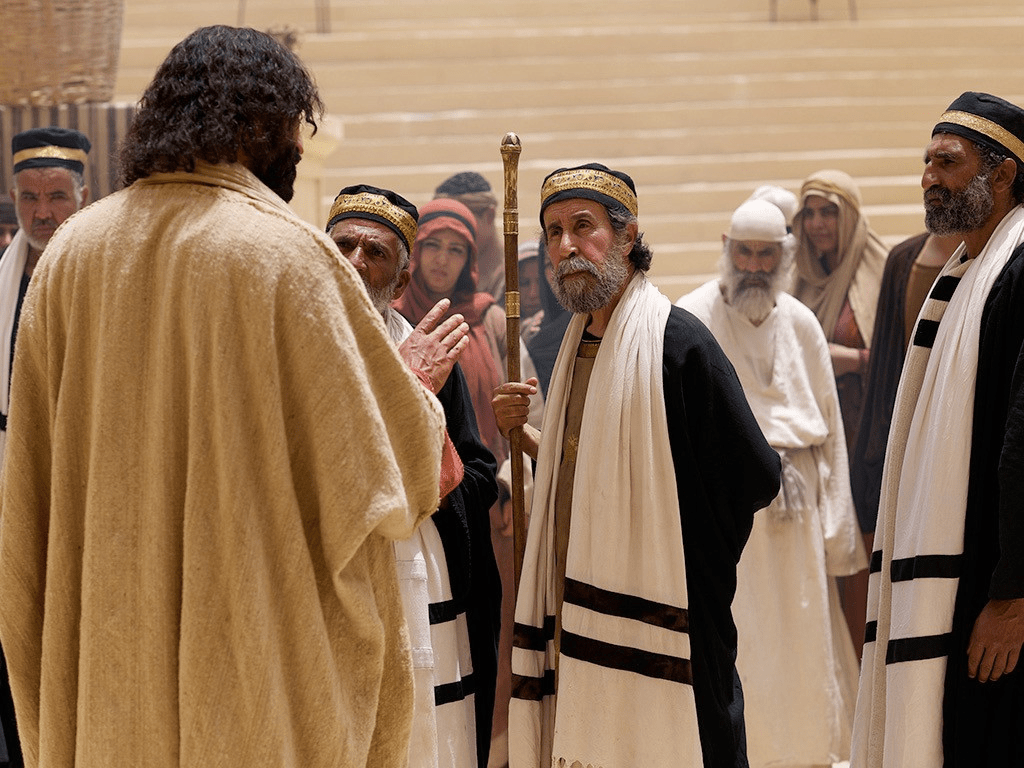
FreeBibleimages.org

In New Testament times large estates were put into the hands of locals to farm and care for while the owner was away. They worked as tenant farmers farming the land paying the owner a percentage of the profits as rent keeping the rest as payment for their work. Palestine’s hillsides were covered by grape vineyards as this was the main source of income in the region especially in Galilee. Jesus, once again, took a familiar way of life as an example to make a point. Jesus’ main audience this time are the leading priests, the teachers of religious law, and the elders who questioned Him about His authority. Jesus is about to reveal their hidden agenda by putting this parable squarely on them.

Jesus sets up the story in verse one of chapter twelve, “A man planted a vineyard. He built a wall around it, dug a pit for pressing out the grape juice, and built a lookout tower. Then he leased the vineyard to tenant farmers and moved to another country.” (Mk.12:1 nlt) Jesus describes the very details of a working vineyard from planting the seed, a wall to mark its boundaries, a place to press out the grapes, and a lookout tower for security and storing seed and tools. Everyone listening to it would be reminded of the local vineyards they see frequently on their journeys through Palestine. They would also be familiar with the tenant farmer scenario in Jesus’ story. Jesus will now begin to make His point of the story.

This parable, or story, Jesus is teaching is based on the ‘Song of the Vineyard’ in Isaiah 5:1-5. It describes Israel’s unfaithfulness. Jesus is addressing this to the Jewish rulers and applying it to them. The fact that Israel is represented as the vineyard in Isaiah makes it hard not to connect the dots and see Jesus is talking about the Jewish people and their leaders. They all knew who the story was about, it was about them. In this story, the man is God, the vineyard is Israel, the servants are the Old Testament prophets and John the Baptist, the Son is Jesus, and the tenant farmers are the religious rulers.

FreeBibleimages.org

Jesus continues with this parable. “At the time of the grape harvest, he (the owner) sent one of his servants to collect his share of the crop. But the farmers grabbed the servant, beat him up, and sent him back empty-handed.” (Mk.12:2-3 nlt) This went on and on with the owner sending servant after servant who were either beaten or killed. This is a picture of the prophets God sent to Israel in the Old Testament which they either ignored, beat up, or killed. The owner finally sends his son who he expects would be respected by the tenant farmers. But the tenants had other ideas. Jewish law stated that a piece of unclaimed property by an heir could be claimed by anyone. They assumed the son was coming to claim his property, so, if they killed him they could claim it for themselves. “But the tenant farmers said to one another, ‘Here comes the heir to this estate. Let’s kill him and get the estate for ourselves!’ So they grabbed him and murdered him and threw his body out of the vineyard.” (Mk.12:7-8 nlt)

The tenant farmers not only wanted the entire harvest for themselves but the vineyard estate. The Jewish leaders, as the tenant farmers, wanted to see Jesus dead for He claimed to be the Son of God. Jesus was keeping them from power and total rule over the religious affairs of the people. Jesus then asks those around Him what they thought the owner of the vineyard would do. Before they could answer, Jesus told them. “I’ll tell you—he will come and kill those farmers and lease the vineyard to others.” (Mk.12:9 nlt) Then Jesus asked another question which should have been answered ‘yes.’ “Didn’t you ever read this in the Scriptures? ‘The stone that the builders rejected has now become the cornerstone.’” (Mk.12:10 nlt) Teachers of the Law and the Old Testament certainly knew of the passage Jesus was referring to, but they refrained from answering. The rejected ‘stone’ is the rejected ‘Son’ in Jesus’ parable. Although Jesus was rejected by the Jewish leaders, He is the cornerstone and rightful heir to the throne of David. He is the Messiah who was to come to save His people from their sins, to the Jew first then the Gentile. The hostility towards Jesus by the Jewish rulers clearly show their rejection of Him.

“The religious leaders wanted to arrest Jesus because they realized he was telling the story against them—they were the wicked farmers. But they were afraid of the crowd, so they left him and went away.” (Mk.12:12 nlt)

FreeBibleimages.org

Once again, the leaders walked away for fear of the crowd, but eventually they will get the crowd on their side in just a few days. This event occurred on Tuesday of Passion Week. Jesus will continue His teaching to His disciples the next two days in between the religious rulers continually attempting to trap Him. Jesus has a lot to say and little time to say it. Until next week……..

Bible Studies

“More Parables” The Gospel of Jesus Christ: the book of Mark

Read: Mark 4:21-34 NLT – Parable of the Lamp – Then Jesus asked – Bible Gateway

“Pay close attention to what you hear. The closer you listen, the more understanding you will be given—and you will receive even more.” Mark 4:24 NLT

Photo by Ghanashyam Hazra on Pexels.com

Last Sunday in our study in the book of Mark we looked at one of many of Jesus’ parables, the Parable of the Farmer’s Seed. This week we review three rather short parables, one which is a continuation from lasts week. We noted last week that Jesus’ teaching was to instruct His disciples. His teaching was not revealed to the crowds because they would not understand. But this week, Jesus says after one of His parables, “Pay close attention to what you hear. The closer you listen, the more understanding you will be given—and you will receive even more. To those who listen to my teaching, more understanding will be given. But for those who are not listening, even what little understanding they have will be taken away from them.” (Mk.4:24-25 nlt)

Jesus is telling them and us to pay close attention and listen to His words. For us, we have His written words in Scripture to pay attention to. Although Jesus’ teaching may be hard to understand along with the rest of the Bible, we are not to neglect reading it and should take in what we can. Reading carefully, prayerfully, and paying attention to the Holy Spirit’s guidance will reveal truths you haven’t seen before. You can trust Jesus when He says, the closer you listen, the more you will understand, and you will receive even more understanding through the Holy Spirit as you dive into His Word.

The first parable of our three this week is the ‘Parable of the Lamp.’ Jesus asks the question; would anyone light a lamp and hide it so no one would see the light? Obviously, the answer is no. The lamp is to be placed appropriately on the lampstand to bring light into the home. Here Jesus is saying He is the light of the world and will one day be revealed as such. Jesus then says, “For everything that is hidden will eventually be brought into the open, and every secret will be brought to light.” (Mk.4:22 nlt) Who Jesus is going to be revealed. During Jesus’ time on earth many things were not in view but will be uncovered beginning with Jesus’ resurrection from the dead. Jesus tells those listening to Him and to us,
“Anyone with ears to hear should listen and understand.” (Mk.4:23 nlt)

Our second parable picks up where last week’s left off. It is the Parable of the Growing Seed. The book of Mark is the only place where this parable is recorded. Last week’s parable concentrated on the soil and peoples’ responses to the gospel message. This parable’s emphasis is on the power of the seed which is the gospel message. The seed of the Word of God planted in peoples’ hearts will begin to produce fruit. Jesus’ illustration is as follows, “The earth produces the crops on its own. First a leaf blade pushes through, then the heads of wheat are formed, and finally the grain ripens.” (Mk.4:28 nlt) The Word sown in a receptive heart will always grow. The power of the gospel is in the seed. Sometimes growth is slow, but it is sure to produce fruit. It works in a person’s heart through the Holy Spirit until salvation occurs by accepting Christ. (Mk.4:29)

Our third and final parable is the Parable of the Mustard Seed. This parable along with the first two describe bringing about the kingdom of God. “Jesus said, ‘How can I describe the Kingdom of God? What story should I use to illustrate it?’” (Mk.4:30 nlt) Jesus told a story of the mustard seed in parable form. The mustard seed was one of the smallest seeds in the Palestinian region. The mustard plant will grow to 10-12ft high. It is not unusual to reach a height of 15ft. The point is what is starting out small with only Jesus preaching along with His disciples will flourish and spread rapidly across the world and at rapid speed. “It is like a mustard seed planted in the ground. It is the smallest of all seeds, but it becomes the largest of all garden plants; it grows long branches, and birds can make nests in its shade.” (Mk.4:31-32 nlt)

Photo by Gelgas Airlangga on Pexels.com

Jesus always spoke in parables in His public teaching throughout His ministry. His illustrations were in the simplest terms of everyday life so that the people could relate. They were earthly stories but had a heavenly meaning. As Jesus would say, ‘those with ears to hear, and hearts turned towards God, should listen, pay attention and understand.’ A lesson for us in understanding His Word by having our hearts committed and dedicated to the Lord and His purposes advancing the kingdom of God.

Devotionals

Have you invested your mina?

Read: Luke 19:11-27 ESV – The Parable of the Ten Minas – As they – Bible Gateway

“Calling ten of his servants, he gave them ten minas, and said to them, ‘Engage in business until I come.’” Luke 19:13 ESV

FreeBibleimages.org

Jesus’ teaching often included speaking in parables, an earthly story with a heavenly meaning. He told the parable of the ten minas to refute the idea that the kingdom of God was to occur immediately. Jesus’ followers, including His disciples, did not understand His mission, but supposed He was going to establish His kingdom by overthrowing the oppressive Roman government. Jesus’ earthly mission was to give his life as a sacrifice for sin, providing salvation for all who believe in Him. He rose from the dead and ascended to heaven, promising to return and then establish His kingdom. This parable connects to Jesus’ return and every Christian’s accounting for the investment we made or didn’t make.

Jesus said to those around Him, “A nobleman went into a far country to receive for himself a kingdom and then return.” (Lk.19:12 esv) This would have been understood for Herod the Great himself had gone to Rome to receive his kingdom. The nobleman calls his servants and gives each of them one mina (3 months wages) and instructs them to engage in business investing his money for a return. This is a picture of Jesus. The mina the Lord Jesus gives to every believer is the gospel message to be invested in peoples lives. There will be a day of accounting how faithful we have been to what he has given us. “When he returned, having received the kingdom, he ordered these servants to whom he had given the money to be called to him, that he might know what they had gained by doing business.” (Lk.19:15 esv)

Very descriptive reports on the return of investments are given for three of the nobleman’s servants. Each apportioned by their diligence in service. The first had a 1000% return and was awarded ten cities. The second had a 500% return and was awarded 5 cities. Both these servants loved their master and wanted to please him, taking risks to ensure an increase. The third servant did nothing at all with what he was given but kept it to himself. The nobleman takes the mina from him and assigns it to where it will have the largest prospect of return.

Our Lord Jesus has gone away as the nobleman but will also return as he did. Jesus has given us the gospel message to invest by sharing it with others while He is away. Will we have a return on His investment? Will you have a return? You won’t have a return if you don’t invest it. Have you invested your mina, the gospel?  

Bible Studies

“The Parables of the Lost and Found” Parables of Jesus

“In the same way, there is joy in the presence of God’s angels when even one sinner repents.” Luke 15:10 NLT

FreeBibleimages.org

            We have come to the last week of Jesus’ parables with three more all concerning the lost and found. These parables are all aimed at the Pharisees and the teachers of the Law. They despised the tax collectors and the sinners who always gathered around Jesus to hear Him teach and to eat with Him, but they despised Jesus even more. In telling these stories Jesus would contrast the Pharisees exclusiveness with His love and compassion for all including the outcasts of society. These parables relate to every person who has ever walked this earth and those who will walk it in the future. It is about the lost and found.

            “So Jesus told them this story: ‘If a man has a hundred sheep and one of them gets lost, what will he do? Won’t he leave the ninety-nine others in the wilderness and go to search for the one that is lost until he finds it?’” (Lk.15:3-4 nlt) A familiar painting comes to mind which most of us seen with Jesus carrying a lost sheep over His shoulders. That one lost sheep represents you and I lost in our sin before we came to Christ. He calls and looks for each of us individually. It’s not a group thing, it’s you by yourself and it’s me by myself. Jesus says, “…. there is more joy in heaven over one lost sinner who repents and returns to God than over ninety-nine others who are righteous and haven’t strayed away!” (Lk.15:7 nlt) It’s about you and me, the lost and found.

            In the next parable, Jesus speaks of a woman who lost one of her ten silver coins. There were many women who followed Jesus, and this would be of considerable interest to them. A silver coin in those days was a day’s wages and she lost it somewhere in her house. She lights a lamp in the dark one room dwelling and sweeps until she finds it. When she finds the coin, she calls her friends to rejoice with her for finding what was lost. Jesus’ heavenly meaning in this earthly story is, “In the same way, there is joy in the presence of God’s angels when even one sinner repents.” (Lk.15:10 nlt) Again there is rejoicing in heaven over one individual who has come to Christ.

            Jesus is not yet finished on this subject and to drive the point home, He tells a third parable. “…. Jesus told them this story: A man had two sons. The younger son told his father, ‘I want my share of your estate now before you die.’ So his father agreed to divide his wealth between his sons.” (Lk.15:11-12 nlt) This parable, known as the ‘Parable of the Prodigal Son’, is the most familiar of all Jesus’ parables. It also has more than one heavenly meaning. The younger son was greedy and impatient wanting his share of his father’s estate while he was still alive. This would have been extremely rare but not unheard of. The father would need to sell off part of his property up to a third, which was the portion allotted to a younger son. The father had done that, perhaps unwisely, and his son took the money and ran. “A few days later this younger son packed all his belongings and moved to a distant land, and there he wasted all his money in wild living.” (Lk.15:13 nlt)

            The younger son blinded by greed and selfishness failed to remember a few important things about life. Good times don’t last forever. A party life will eventually lead to ruin. Money disappears quickly when spent frivolously. And, of course, everything comes to an end. His end came sooner than expected and during the worst possible time, a serve famine. It is often during these times prodigals of all ages, both men and women, hear from the Lord and come to their senses. The fun-loving partying son finally came to his senses and started his way back home. Upon his return he would confess his foolishness to his father and ask to take a position as one of his father’s hired servants. But the father had other plans. And our heavenly Father has other plans for us when we foolishly run away from Him. “So he returned home to his father. And while he was still a long way off, his father saw him coming. Filled with love and compassion, he ran to his son, embraced him, and kissed him.” (Lk.15:20 nlt) This parable is sometimes referred to as the ‘Parable of the Father’s Love’, and we can see why.

            The father demands a celebration be held in honor of his son’s return. All were enjoying the celebration with music and dancing. But there was one who did not celebrate by refusing to join the party. The older brother was furious at his father’s actions that he would welcome his brother back and with a party after what he had done. He looked at his brother as unworthy of such a celebration and forgiveness. A lesson directed right back at the Pharisees who thought those tax collectors and sinners were unworthy to eat with Jesus.

FreeBibleimages.org

            These three parables of the lost and found show the Lord’s love for each one of us. We are all lost in our sin, and He and all of heaven rejoices when we turn to Him for salvation and for forgiveness when we go astray. As the father in the parable explained to his other son, “We had to celebrate this happy day. For your brother was dead and has come back to life! He was lost, but now he is found” (Lk.15:32 nlt)

Read: Luke 15 NLT – Parable of the Lost Sheep – Tax – Bible Gateway

Bible Studies

Who Is My Neighbor? The Parable of the Good Samaritan: Parables of Jesus

“Then a despised Samaritan came along, and when he saw the man, he felt compassion for him.” Luke 10:33 NLT

FreeBibleimages.org

            Continuing our study of Jesus’ parables in Biblical Insights, this week we look at the Parable of the Good Samaritan. We have said a parable is an earthly story with a heavenly meeting, and we are going to stick to that. However, it is interesting to note the Wycliffe Bible Commentary suggests this parable may have been a report of an actual occurrence. Nevertheless, Jesus told the story so we can be sure it has a heavenly meaning whichever the case. It is another one of Jesus’ teachings for us to pay particular attention to.

            The backstory to this parable is what preceded the question ‘Who is my neighbor?’ The question was asked by a Religious Jewish Law expert who wanted to trap Jesus in a question. He asked Him, “Teacher, what should I do to inherit eternal life?” (Lk.10:25b nlt) Jesus asked him ‘how do you interpret the Law’ since he was an expert. The man answered correctly, “You must love the LORD your God with all your heart, all your soul, all your strength, and all your mind.” And “Love your neighbor as yourself.” (Lk.10:27 nlt) But after Jesus confirmed his answer, the expert revealed his self-righteous character by asking ‘who is my neighbor.’ Strict religious Jews would never consider any non-Jew as a neighbor. He needed further explanation which Jesus was more than willing to provide.

            Jesus tells the story of an unfortunate Jewish traveler on the road from Jerusalem down to Jericho. It was a 17-mile journey descending over 3,000 feet into Jericho on an isolated, rocky, and winding road known for its many assaults from robbers hiding among the rocks. The man was attacked by the waiting criminals, “They stripped him of his clothes, beat him up, and left him half dead beside the road.” (Lk.10:30b nlt) What happened to this traveler is also a common occurrence in our day. People are victims of assault among other crimes within our society. How we, as Christians, respond to these victims will indicate how well we understand who our neighbors are.

            Three individuals had shown their true understanding of being a neighbor. Sadly, two religious ministers, a priest and a Levite temple worker failed miserably. They both passed by on the other side without giving it a thought to help. “By chance a priest came along. But when he saw the man lying there, he crossed to the other side of the road and passed him by. A Temple assistant walked over and looked at him lying there, but he also passed by on the other side.” (Lk.10:31-32 nlt) One could speculate the reason or reasons these two failed to help the wounded traveler. Whatever it was outweighed the importance of caring for one in tremendous need. Perhaps it was religious pride or their religious legalism not to be defiled if they had touched him and he was dead surfaced in their mind. Either way they both left him unattended.

            In life it is often those we expect to help that do not, and those we wouldn’t expect to help do so and even go the extra mile. The same was true in Jesus’ day. In our story it says, “Then a despised Samaritan came along, and when he saw the man, he felt compassion for him.” (Lk.10:33 nlt) The Jews and the Samaritans did not get along. The Samaritans were looked down upon by the Jews, yet this Samaritan had compassion on this Jewish man when his own fellow Jews passed him by. This good Samaritan cleaned and bandaged the man’s wounds, put him on his own donkey, took him to an inn, and nursed him overnight. Then this despised Samaritan went the extra mile, “The next day he handed the innkeeper two silver coins, telling him, ‘Take care of this man. If his bill runs higher than this, I’ll pay you the next time I’m here.’” (Lk.10:35 nlt) The good Samaritan accurately displayed his understanding of who is his neighbor. Anyone with a need, anyone who needs help, whether rich or poor, regardless of skin color or ethnic background, male or female were all the good Samaritan’s neighbors and should be ours.

FreeBibleimages.org

            After telling the story, Jesus asked the Jewish Law expert, ‘“Now which of these three would you say was a neighbor to the man who was attacked by bandits?’ The man replied, ‘The one who showed him mercy.’ Then Jesus said, ‘Yes, now go and do the same.’” (Lk.10:36-37 nlt) The lesson for the Law expert and us is that every person has the responsibility to be a neighbor to all who cross their path, especially those in need. There are no exceptions.

Read: Luke 10:30-37 NLT – Parable of the Good Samaritan – Jesus – Bible Gateway

Bible Studies

Don’t Be Locked Out! The Parable of the Ten Bridesmaids: Parables of Jesus

“But while they were gone to buy oil, the bridegroom came. Then those who were ready went in with him to the marriage feast, and the door was locked.” Matthew 25:10 NLT

Photo by My Car Key Hero on Pexels.com

The experience of being locked out of something creates feelings of loneliness and abandonment. This may even occur when you lock yourself out of your home, automobile, or your private office. The good news is that these lockouts are not permanent, and outside of some embarrassment you’ll be back in. But there are some permanent lockouts in life, such as being denied access to where you lost that privilege due to your own actions. And there is a greater future denial of access that is due to not acting while we have the time before the door is locked keeping us out.

Preparedness for the Lord’s return is the heavenly meaning of Jesus’ story of the ten bridesmaids. And yes again, the kingdom of heaven is in view. Jesus starts by saying, “Then the Kingdom of Heaven will be like ten bridesmaids who took their lamps and went to meet the bridegroom.” (Mt.25:1 nlt) The bridesmaids were to wait in anticipation for the bridegroom to come and receive his bride beginning the wedding ceremonies. They were to be ready to meet him and be in the procession to the bridegroom’s home. But as we will see, not all of them were ready. They didn’t make it inside the reception hall.

Jesus told this parable about a future lockout as part of His Olivet Discourse in the gospel of Matthew. Among the ten bridesmaids “Five of them were foolish, and five were wise.” (Mt.25:2 nlt) In Jewish weddings of Jesus’ day, the bridegroom would go to his bride’s home being met by the bridesmaids for religious ceremonies before taking his bride to his home for continuation of the festivities. The bridesmaids were to be ready and watching for the coming of the bridegroom. “The five who were foolish didn’t take enough olive oil for their lamps, but the other five were wise enough to take along extra oil.” (Mt.25:3-4 nlt) But the bridegroom was delayed in this parable and falling asleep the bridesmaids were suddenly awakened with the announcement of his arrival.

At midnight the announcement was made the bridegroom was on his way.” All the bridesmaids got up and prepared their lamps.” (Mt.25:7 nlt) Light was needed to make their through the darkness to the bridegroom’s home. The foolish ones realized they did not have enough oil to make their way into the procession. They “asked the others, ‘Please give us some of your oil because our lamps are going out.’” (Mt.25:8 nlt)

This is a picture of us in the world today. The bridegroom represents Jesus Christ and His return. People today are the bridesmaids, both the foolish ones, and the wise ones. The foolish ones brought no oil for their lamps to light the way to the bridegroom, the wise ones did. Oil being symbolic in the Bible as the Holy Spirit is what the foolish ones did not bring with them. Tragically this represents all who make a profession of being a Christian (bridesmaid) only to find out they never accepted Christ as their savior. They don’t have the His Spirit in them, the oil for the lamp to light the way to the kingdom of heaven.

The five foolish bridesmaids tried to buy oil for their lamps at the midnight hour, but all the stores were closed, it was too late. Upon returning to the bride’s home, the door was shut and locked. They requested entrance but the bridegroom responded, “Believe me, I don’t know you!” And then he added a warning for us today, “So you, too, must keep watch! For you do not know the day or hour of my return.” (Mt.25:12-13 nlt) Jesus is going to return one day suddenly and unexpectedly and if you haven’t had your lamp filled with the presence of Christ by accepting Him for salvation, it will be too late. Fill your lamp today and don’t be locked out!

FreeBibleimages.org

Read: Matthew 25:1-13 NLT – Parable of the Ten Bridesmaids – Bible Gateway

Bible Studies

God’s Vineyard of Grace: The Parables of Jesus

“So those who are last now will be first then, and those who are first will be last.” Matthew 20:16 NLT

“God saved you by his grace when you believed. And you can’t take credit for this; it is a gift from God. Salvation is not a reward for the good things we have done, so none of us can boast about it.” Ephesians 2:8-9 NLT

FreeBibleimages.org

            This week our parable is the ‘Parable of the Vineyard Workers in God’s Vineyard of Grace.’ As last week’s parable had a backstory to it, so does the Vineyard Workers. Again, it is Peter who has asked Jesus a question. Peter’s concern was he and the other disciples sacrificed their livelihood in following Jesus and thought they would get shortchanged in the kingdom. He asked Jesus, “We’ve given up everything to follow you. What will we get?” (Mt.19:27 nlt) The sentiment was that the disciples should be ranked on a higher scale in the kingdom than others who have not given up as much. Jesus sets them all straight by explaining the measure of God’s grace to everyone in the kingdom of heaven. He tells them, “But many who are the greatest now will be least important then, and those who seem least important now will be the greatest then.” (Mt. 19:30 nlt) Jesus then proceeds to teach “The Parable of the Vineyard Workers in God’s Vineyard of Grace.”  

            The parable begins with a landowner going out to hire workers for his vineyard. This most likely occurred during harvest season as landowners would hire day workers gathered in the marketplace looking for work. Workers were hired at the start of the day for an agreed amount of pay for a day’s wages. Throughout the day the landowner would return to the marketplace and find those who needed work. Arriving at 9 o’clock, at noon, and right up until the last hour, he found others who needed work and sent them into the vineyard agreeing to pay them what was right. At the end of the day the workers got paid, and each received the same amount, a full day’s wages. Those who worked all day were upset either that they did not receive more or that the others were treated the same by the gracious landowner. The landowner answered them by saying, “Friend, I haven’t been unfair! Didn’t you agree to work all day for the usual wage? Take your money and go. I wanted to pay this last worker the same as you. Is it against the law for me to do what I want with my money? Should you be jealous because I am kind to others?” (Mt.20:13-15 nlt)

            Jesus is saying all those in the kingdom have the same amount of grace applied to them. Those who have been Christians most of their lives and have done great service for Christ will be in the kingdom along with those who have done little due to limited time to serve Him since their conversion. God’s grace is applied equally to all.

            The Kingdom of Heaven is not a commercial venture. You cannot buy your way into heaven. Nor can you earn your way or achieve greater recognition or rewards for service through hard work, helping the poor, caring for others, church attendance, or any other charitable means you may employ. It is only by God’s grace that we have access to heaven as we believe in His Son Jesus for Salvation. (Eph.2:8-9) Entrance into the kingdom is by God’s grace alone at the moment He bestows it upon us whether in our childhood or in old age while on our death bed.

For those of us who have been Christians a long time are we using the time God has given us to serve Him?  Those of you who have recently come to know the Lord, are you being faithful in the opportunity given to you to serve Him? And are we all praying for those who have not yet accepted Christ as Savior? We are all workers in God’s vineyard of grace, may we be faithful in the work He has given us.

Read: Matthew 20:1-16 NLT – Parable of the Vineyard Workers – Bible Gateway

Bible Studies

Parables of the Kingdom of Heaven: Parables of Jesus

“Jesus always used stories and illustrations like these when speaking to the crowds. In fact, he never spoke to them without using such parables.” Matthew 13:34 NLT

FreeBibleimages.org

This week we look at Jesus’ ‘Kingdom of Heaven’ parables and there are a few, six to be exact. Most of them are short and to the point, but even in Jesus’ longer parables there are life changing points for ‘Anyone with ears to hear should listen and understand!’ (Mt.13:43b nlt) We noted last week that parables were an earthly story with a heavenly meaning, and these parables of the ‘Kingdom of Heaven’ leave no doubt as to the heavenly meaning. They do indeed point to the Kingdom of Heaven itself. Jesus taught His disciples the Kingdom of Heaven is future and those who will populate it will be those who respond to the message of their preaching and the preaching of the gospel throughout the ages until Jesus returns. It is still in effect today. There will be those who accept the preaching and those who will not respond to the message that kingdom of God is at hand.

There are five characteristics of the Kingdom of Heaven that are seen in these parables. The preaching of the gospel, the growth of the gospel, the power of the gospel, the value of the gospel, and the response of the gospel. The book of Matthew is our source this week found in chapter 13 and verses 24-50.

In the first parable in this passage, the parable of the wheat and the weeds (Mt.13:24-30), and the last parable of the fishing net (Mt.13:47-50) we find both the preaching of the gospel and the response of the gospel. Jesus says the preaching of the gospel “……is like a farmer who planted good seed in his field. But that night as the workers slept, his enemy came and planted weeds among the wheat, then slipped away.” (Mt.13:24-25 nlt) “Again, the Kingdom of Heaven is like a fishing net that was thrown into the water and caught fish of every kind.” (Mt.13:47 nlt) The preaching of the gospel goes out just as last week’s parable, the farmer scatters his seed with some taking hold and some not. Here the seed is planted and takes root accepting the gospel, but the evil one has also planted seeds becoming weeds as they reject God’s Word. The gospel net of preaching the good news is thrown out into the sea to catch all kinds of fish, but here again there are many who were there only for the ride into the shore.

A familiar parable is the parable of the mustard seed. (Mt.13:31-32) A mustard seed is the smallest of all seeds, but it grows into a large tree. The gospel message starts out small among believers but begins to spread quickly and rapidly encompassing many in its fold. It spreads quickly due to its magnificent power as illustrated in the parable of the yeast. “Jesus also used this illustration: ‘The Kingdom of Heaven is like the yeast a woman used in making bread. Even though she put only a little yeast in three measures of flour, it permeated every part of the dough.’” (Mt. 13:33 nlt) The power of the gospel through the influence of the Holy Spirit cannot be resisted by those called of the Lord.

Jesus gives us two very short parables to emphasize the value of being in the Kingdom of Heaven. In the parables of the hidden treasure and the pearl, the value is so great that one would give up everything they owned to possess it. Nothing could be more important, nothing else matters in this world than to be prepared for the next world.  

FreeBibleimages.org

The fifth characteristic of the Kingdom of Heaven as noted above is found in both the parable of the wheat and weeds and the parable of the fishing net. It is the response to the gospel message. Jesus’ heavenly message in these parables is the gospel is being preached, it grows in the power of the Holy Spirit, and it is the most valuable thing you can ever possess. But His message also speaks of those who will be in the Kingdom of Heaven and those who will not. Jesus’ words are clear in both parables as He distinguishes between the acceptance and rejection of the gospel. “Just as the weeds are sorted out and burned in the fire, so it will be at the end of the world. The Son of Man will send his angels, and they will remove from his Kingdom everything that causes sin and all who do evil. And the angels will throw them into the fiery furnace, where there will be weeping and gnashing of teeth.” (Mt.13:40-42 nlt)

It is a sobering thought there are many who believe they are the wheat in the field or the good fish in the net, only to find themselves being thrown out with bad. Don’t make the same mistake, accept the preaching of the gospel message, and secure your place in the Kingdom of Heaven. “Then the righteous will shine like the sun in their Father’s Kingdom. Anyone with ears to hear should listen and understand!” (Mt.13:43 nlt)

Read: Matthew 13:24-50 NLT – Parable of the Wheat and Weeds – Here – Bible Gateway

Bible Studies

The Farmer Scattering Seed; Parables of Jesus

“The farmer plants seed by taking God’s word to others.” Mark 4:14 NLT

FreeBibleimages.org

            Our Sunday Biblical Insights over the next couple of months will feature the ‘Parables of Jesus.’ One third of Jesus’ teaching was in the form of a parable. There are close to forty in all, and we will examine as many as we can, reviewing a couple of them in the same week. A parable is simply an earthly story with a heavenly meaning. We begin this week with the parable of ‘The Farmer Scattering Seed.’ This is one of several parables found in all the Synoptic Gospels (Matthew, Mark, and Luke). Mark’s gospel is our text for this parable. FYI, the book of John contains none of Jesus’ parables.

            Much of Jesus’ teaching was done before large crowds and this first parable is no exception. The crowd was so large that day Jesus got into a boat sitting down to teach all those who were gathered along the shoreline to hear Him. Jesus started by saying, “Listen! A farmer went out to plant some seed.” (Mk. 4:3 nlt) Familiar illustrations were often employed by Jesus in His teaching. Jesus’ day was mostly an agricultural society. Most people understood the principles of agriculture, the planting and harvesting of crops. This is where Jesus begins.

            The farmer is scattering his seed in the soil of his field to produce a fruitful crop. When scattering seed, it falls in various locations of the field. Jesus describes the seed as being scattered in four different areas. Some seeds never make it to the field as they fall on the footpath and the birds immediately devour it. Other seeds make it but fall on shallow soil on top of a rock. The plant rises quickly but is soon wilted and dies for lack of deep roots. Some seeds found deep soil, but the adequate dept also contained thorns which grew and choked out the plants. And then there were seeds that fell on good fertile soil. They sprouted, grew, and produced a bountiful crop.

            Later, Jesus’ disciples asked Him the meaning of the parable. Jesus did say as He concluded the parable, “Anyone with ears to hear should listen and understand.” (Mk. 4:9 nlt) They obviously didn’t understand. The farmer’s seed is providing earthly subsistence of food needed for survival. Jesus implies the heavenly meaning by equating the seed being planted by the farmer as the Word of God. He tells His disciples, “The farmer plants seed by taking God’s word to others.” (Mk. 4:14 nlt) God’s Word is the spiritual subsistence we need for eternal life. More specifically, Jesus Christ, the Son of God, the Word made flesh. “So the Word became human and made his home among us.” (Jn. 1:14a nlt)

            The four types of soil in the parable represent four different responses from individuals who are presented with the gospel. There are those with ‘no response’ for Satan immediately shows up and steals it away before it has the time to germinate. Many people have an ‘emotional response’ when they hear the gospel being preached, but not having deep roots they fall away when start to receive flak from others due to their interest in Christianity. A third response is a ‘conformity to the world response.’ “Do not conform to the pattern of this world but be transformed by the renewing of your mind.” (Ro. 12:2a niv) The word taken in begins to grow along side the thorns of this world, the lure of money, success, and all one would have to give up being a Christian. And those thorns chock out any new desires for God or His Word. But then there is the ‘fruitful response’, those who readily accept the gospel message being drawn by the Holy Spirit. “And the seed that fell on good soil represents those who hear and accept God’s word and produce a harvest of thirty, sixty, or even a hundred times as much as had been planted!” (Mk. 4:20 nlt)

Photo by Jonathan Wells on Unsplash

            The farmer scattering seed in Jesus’ parable is every Christian today. All who accepted Christ as savior has received a bag of seed from the Lord to spread around. Gospel seeds are not reserved for only pastors, Bible teachers, evangelists, or seminary professors, but everyone who names the name of Christ. Jesus is encouraging each of His followers in this parable not to be discouraged in the lack of response as we tell others about Him. There will be different types of responses according to each heart. The preparation of the soil is not our responsibility. God will prepare the soil. We are only called to be faithful and scatter the seed.

Read: Mark 4:1-9, 13-20 NLT – Parable of the Farmer Scattering Seed – Bible Gateway