Bible Studies

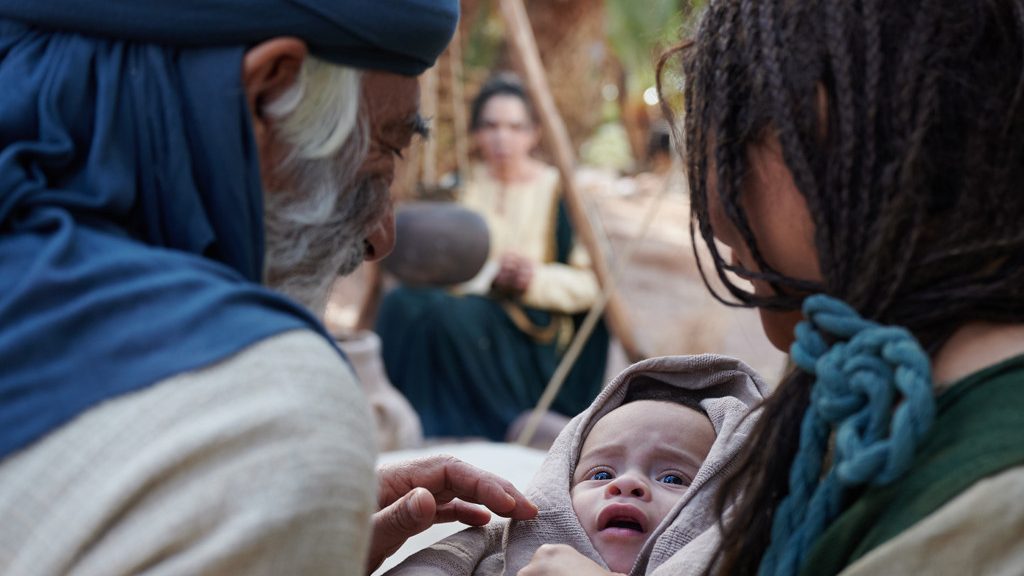
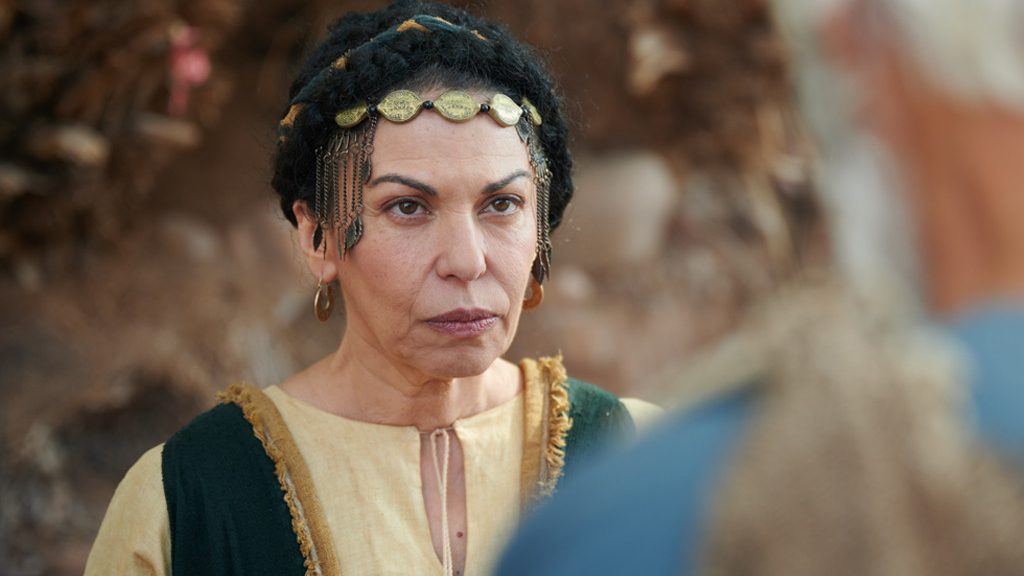
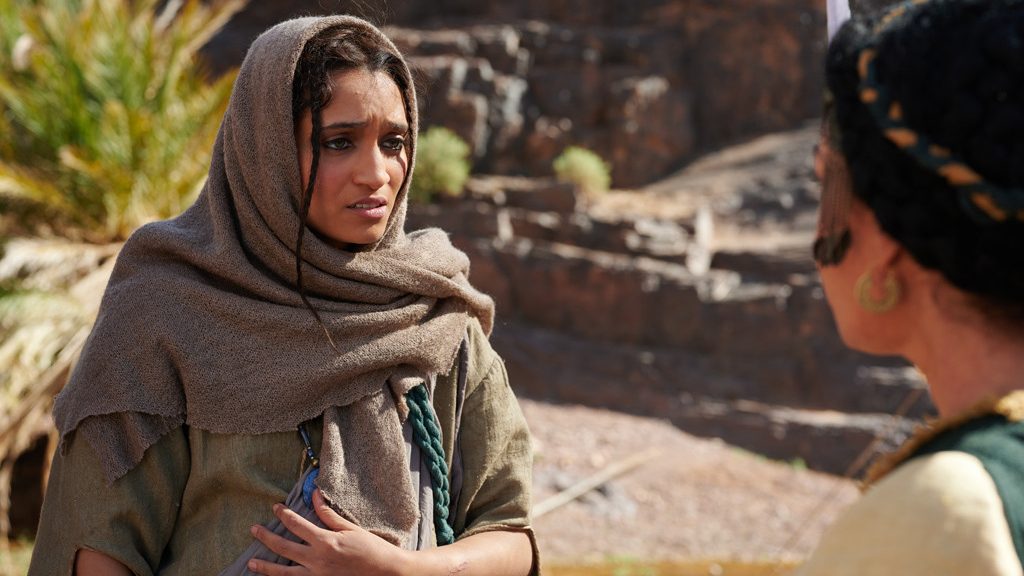
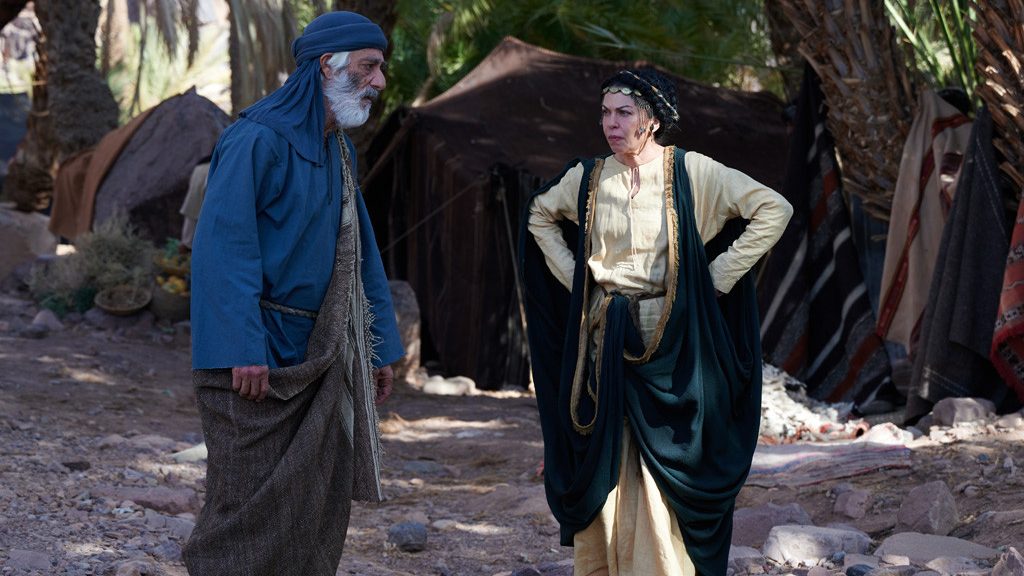
“Abram’s Deception” – The Story of Abraham

Read: Genesis 12:10-20 NLT – Abram and Sarai in Egypt – At that time – Bible Gateway

“But the LORD sent terrible plagues upon Pharaoh and his household because of Sarai, Abram’s wife. So Pharaoh summoned Abram and accused him sharply. ‘What have you done to me?’ he demanded. ‘Why didn’t you tell me she was your wife?’” Genesis 12:17-18 NLT

Photo by Jordi Orts Segalés on Unsplash

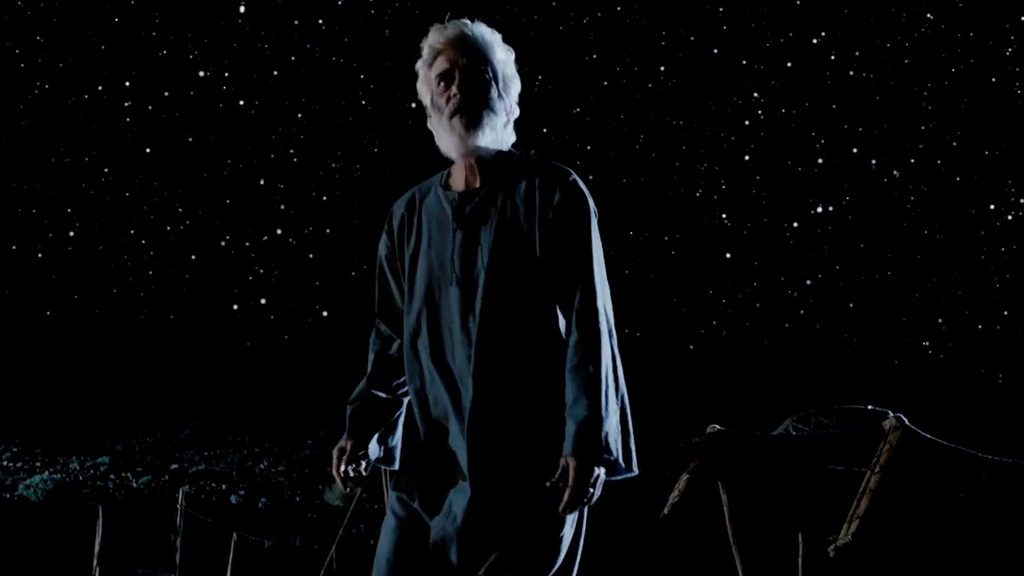
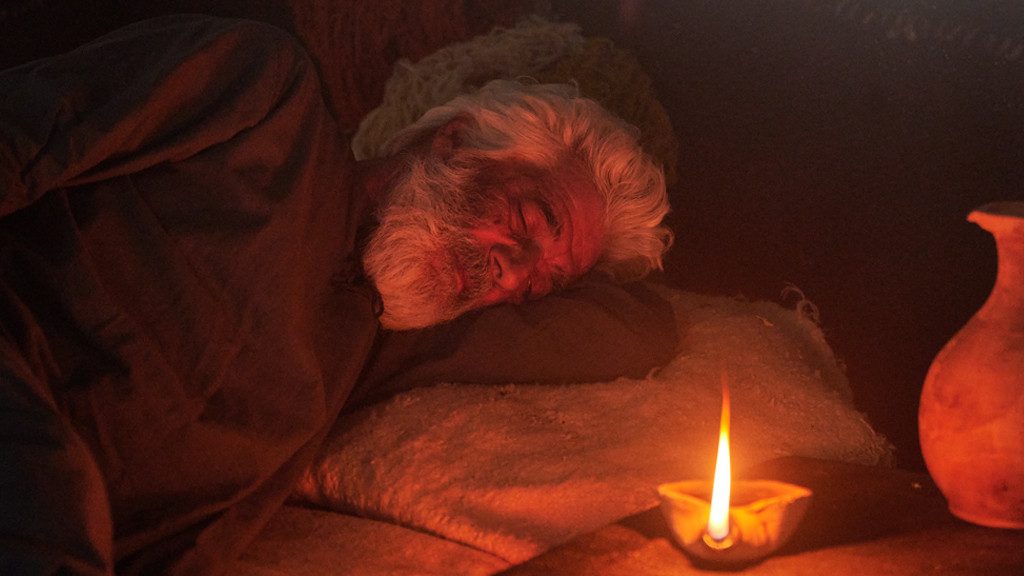
The first two weeks in our story of Abraham we saw Abram, who later became Abraham, as a man of great faith and the father of all who believe. He left all that was familiar to him, his home, friends, and family to go where God called him. This took great faith as we learned last week. Unfortunately Abram paused his journey along the way and settled in Haran for a period of time. Although Abram was called of God, he was not perfect and wasn’t chosen because he was perfect. He eventually moved on after God’s repeated the call to him. Abram made it to the Promised Land and built an altar to the Lord when arriving in Shechem. This week Abram’s frailty leads him through a detour into Egypt.

The land of Canaan was suffering from severe famine. The Palestine region in ancient times often experienced famines. Abram decided to journey down to Egypt on his own under no divine guidance from God. Egypt fared well during periods of famine. It had an abundant supply of food available from the water source of the Nile River. Abram took his wife Sarai and all who were with him down into Egypt. He may not have planned to stay long, but it turned out to be long enough to bring shame on God’s chosen vessel.

As Abram nears Egypt he says to Sarai his wife, “Look, you are a very beautiful woman. When the Egyptians see you, they will say, ‘This is his wife. Let’s kill him; then we can have her!’” (Gen.12:11-12 nlt) Abram was right in his assessment that Pharaoh would take beautiful women to be part of his Harem. He was also right in that they would kill him to take his wife. The Egyptians respected marriage but had an unusual way to show it, especially the Pharaohs. Pharaoh would have the wife of the husband killed first before he took her for his Harem. Abram, of course, didn’t want this to happen so he devised a plan, again not under God’s guidance. Abram said to Sarai, “ So please tell them you are my sister. Then they will spare my life and treat me well because of their interest in you.” (Gen.12:13 nlt) Abram’s fear, and really his lack of faith at this point, caused him to deceive the Egyptians into thinking Saria was his sister. It worked, and they took her.

Abram’s scheme was a half-truth, or we could call it a half-lie, and a half-lie is really a lie. Abram’s reasoning was to deceive and that is what he did. He failed to trust in the Lord who was leading him and would protect him. He was thinking more of himself than any thought he had for his wife. But despite Abram’s failure here, the Lord is going to watch out for Sarai and protect her. “And sure enough, when Abram arrived in Egypt, everyone noticed Sarai’s beauty. When the palace officials saw her, they sang her praises to Pharaoh, their king, and Sarai was taken into his palace.” (Gen.12:14-15 nlt)

The irony of this story is that Abram is rewarded by Pharoah for taking his sister. “Then Pharaoh gave Abram many gifts because of her—sheep, goats, cattle, male and female donkeys, male and female servants, and camels.” (Gen.12:16 nlt) Abram was right, Pharaoh did treat him well. Having livestock and servants were a indication of wealth in those days, and Abram was paid handsomely.

But as we noted, the Lord protected Sarai. He sent plagues upon Pharoah and his household. Scripture does not tell us the nature of these plagues, but they were severe enough for Pharoah to summon Abram. Some commentators speculate that Pharoah’s illness kept him from defiling Sarai. We do know from Scripture that no mention is given of Sarai being intimate with Pharaoh. We also know from history that a four-month purification process was in place for new brides before they were received into Pharoah’s Harem. God’s hand was at work in protecting Sarai.

Pharoah sharply accused Abram of deception. He came to know Sarai was his wife and these plagues were the proof of it. Pharoah ordered Abram to get out of Egypt and even had his men escort him out to make sure he left. Abram was exposed as a liar. The Egyptians with their many faults were still a society that valued truthfulness. This wasn’t a good look for Abram who was called by God. Abram was kicked out of Egypt in humiliation before the Egyptians and those traveling with him who knew of his call from the Lord. The Wycliffe Bible Commentary notes, “Abram’s behavior was not worthy of the majestic soul of Jehovah’s special ambassador to the nations. He would need to grow; he would need to go back to Bethel.”

Abram will grow and God will still use him. God knew of Abram’s failures before He call him out of Ur and into the Promised Land. God knows of our failures even before we do and yet He calls us just the same. The Lord will never give up on us despite our failures. We may have a rough go of it when we decide to go our own way, but the Lord will put us back on track as we trust Him and allow Him to lead us in every situation.

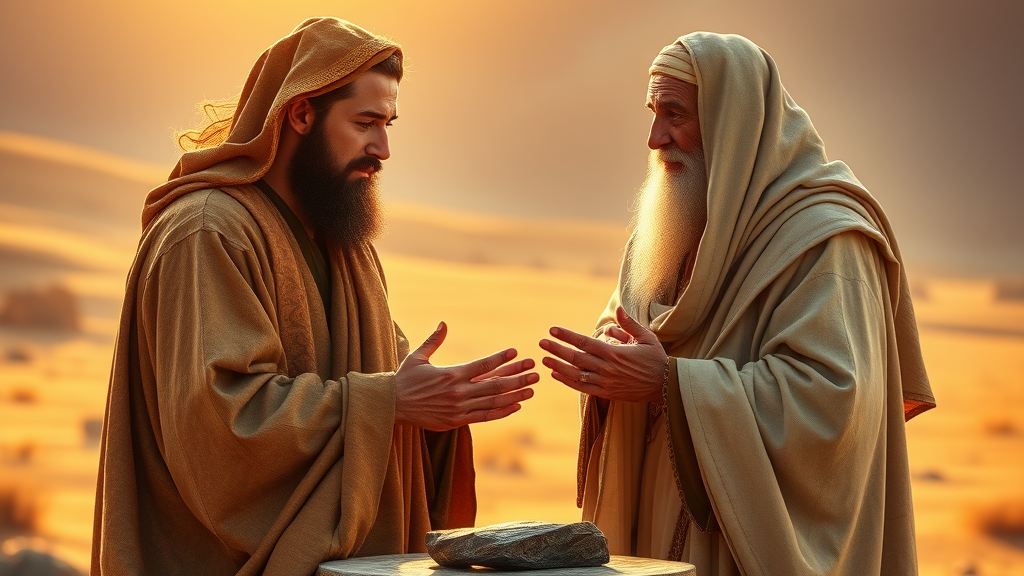
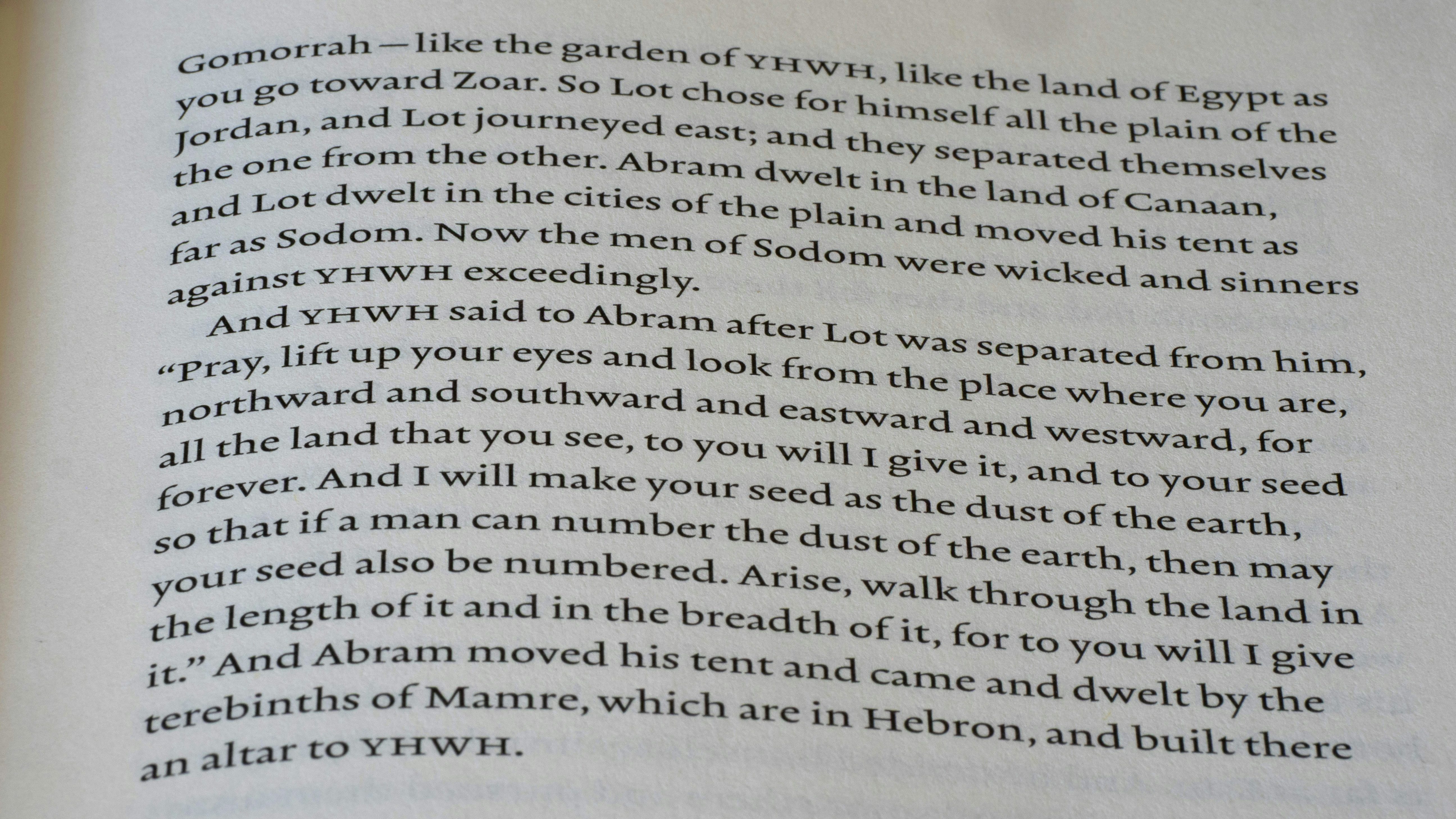
Next week Abram and his nephew Lot have a decision to make. Until next week trust the Lord completely even in a famine.

Bible Studies

“The Call of Abram” – The Story of Abraham

Read: Genesis 11:26-12:9 NLT – After Terah was 70 years old, he became – Bible Gateway

“The LORD had said to Abram, ‘Leave your native country, your relatives, and your father’s family, and go to the land that I will show you.’” Genesis 12:1 NLT

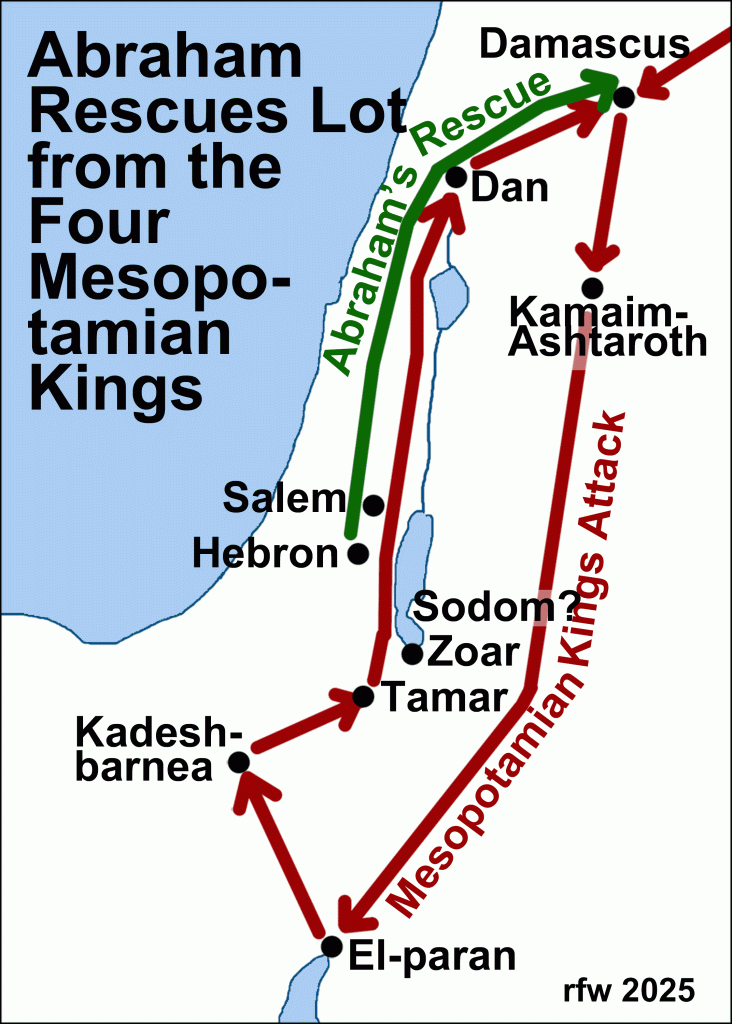
Our story of Abraham begins with God calling him as a pagan and probably a worshiper of the moon-god ‘sin’ His name at this point is Abram and is living in Ur of the Chaldeans, a prosperous commercial city of early the Sumerian kingdom in Mesopotamia, modern day Iraq. We find Abraham’s family and his ancestors in Genesis chapter 11. Abram, whose name means ‘exalted father’ is a descendant in the line of Shem one of Noah’s sons after the flood. His father’s name is Terah meaning ‘delay’ which is significant. Abram had two brothers, Nahor and Haran who had died. Abram adopted his nephew Lot after Haran died. “Abram and Nahor both married. The name of Abram’s wife was Sarai, and the name of Nahor’s wife was Milcah. Milcah and her sister Iscah were daughters of Nahor’s brother Haran.” (Gen.11:29 nlt) Abram’s wife was his half-sister and Nahor’s wife was his brother Haran’s daughter. Prohibition against such marriages were unknown in patriarchal times. Later Mosaic law did not permit such marriages.

“One day Terah took his son Abram, his daughter-in-law Sarai (his son Abram’s wife), and his grandson Lot (his son Haran’s child) and moved away from Ur of the Chaldeans. He was headed for the land of Canaan, but they stopped at Haran and settled there.” (Gen.11:31 nlt) This is Abram on the move obeying God’s call. It sounds as if Terah made the call to move on, but it was God speaking to Abram. The call would be repeated after an unadvised stay in Haran until Terah died. The book of Acts confirms Abram’s original call was in Ur. Steven in speaking to the Jewish council said, “Brothers and fathers, listen to me. Our glorious God appeared to our ancestor Abraham in Mesopotamia before he settled in Haran. God told him, ‘Leave your native land and your relatives, and come into the land that I will show you. So, Abraham left the land of the Chaldeans and lived in Haran until his father died.’” (Acts 7:2-4 nlt) We don’t know why there was a stay in Haran. Some of the reasons for the stay may have been due to Terah’s age. The city of Haran was also a thriving city and also worshiped the moon-god, perhaps Terah felt at home there. An important note to make, Abram was not told to bring the family along, but to “Leave your native country, your relatives, and your father’s family, and go to the land that I will show you.” (Gen.12:1 nlt) We are left with not knowing why Abram stopped and stayed in Haran for he was there for a considerable amount of time. He left Haran with “all his wealth—his livestock and all the people he had taken into his household at Haran.” (Gen.12:5 nlt) Abram is now on his way with his wife, Sarai, and his nephew Lot to the land God has called him.

Abram had great faith that God would fulfil his promises to him. He left his homeland and family twice giving up his familiar way of life. Bishop Ryle notes, “He was to ‘renounce certainties of the past’ ‘face uncertainties of the future’ look for and follow the direction of Jehovah’s will.’” The promises God made to Abraham were seven-fold, 1. ‘I will make you a great nation’ 2. ‘I will bless you’ 3. ‘I will make your name great’ 4. ‘You shall be a blessing’ 5. ‘I will bless those who bless you’ 6. I will curse those who curse you 7. ‘in you all the families of the earth will be blessed’ Abram’s faith started with the very first promise. God promised to make him a great nation. Abram was 75 years old when God spoke this promise to him and Sarai was barren and not much younger. Relating that to us today, can we find it within ourselves to have the same faith? It might be a little hard. But these stories in scripture are put in there for our benefit to find encouragement and to learn from them when and where we live.

Abraham has certainly become famous, he has been greatly blessed by God, Israel has become a great nation, Abraham had been a blessing to others, God has blessed those who bless Israel and the Jewish people and continues to do so until this day. One of the reasons I believe nations are blessed today is they are supportive of the nation Israel. And as we noted last week all the families of the earth will be blessed through Abraham for Jesus, the Messiah, came through the line of Abraham providing salvation to all who accept Him.

Abram’s first stop when entering Canaan was Shechem, a major settlement at the crossroads of two main commercial highways, 40 miles north of Jerusalem. He came into the land God has promised and the Lord appeared to him again. “Then the LORD appeared to Abram and said, ‘I will give this land to your descendants.’ And Abram built an altar there and dedicated it to the LORD, who had appeared to him.” (Gen.12:7 nlt) This is the first of several altars Abram built along the way when encountering a spiritual experience. He knew the land of Canaan belonged to the Lord and he consecrated that Promised Land to God. Abram then traveled south and camped near Bethel where he built another altar and worshiped the Lord God. Abram was no longer a moon-god worshiper. By setting up camp he also declared permanent residence though it was only a tent and wouldn’t be realized for many years. Here is another example of his great faith.

We close this week with Abram continuing to move south pulling up stakes and heading toward the Negev in southern Palestine southwest of the Dead Sea. Next week Abram is forced to go to Egypt as a result of a famine. Even when God is leading us things don’t always go smoothly. How does Abram handle it? Well, we will see this man of faith is just like us.

Until next week………

Bible Studies

“Abraham: Father of all who believe” – The Story of Abraham

Read: Romans 4:16-25 NLT – So the promise is received by faith. It – Bible Gateway

“So the promise is received by faith. It is given as a free gift. And we are all certain to receive it, whether or not we live according to the law of Moses, if we have faith like Abraham’s. For Abraham is the father of all who believe.” Romans 4:16 NLT

This week we begin a new study in Biblical Insights, ‘The Story of Abraham.’ He is probably the most influential and important figure of all the patriarchs in the Old Testament. Abraham is also mentioned many times throughout the New Testament for his great faith and how that faith affects every Christian. Abraham believed God for all the promises He spoke to him. The Bible says it was counted to him as righteousness. “Abraham believed God, and God counted him as righteous because of his faith.” (Ro.4:3 nlt) Abraham was seen as righteous before the Law was written as to obey it because of his faith in God. Abraham wasn’t righteous because he obeyed and did good deeds, but because he believed God. Christians today are saved and are righteous before God for our belief in God and His salvation plan through His Son Jesus Christ. “So all who put their faith in Christ share the same blessing Abraham received because of his faith.” (Gal.3:9 nlt)

Abraham is not only recognized as the father of the Jews but the father of all who believe. The Lord promised Abraham that all the families of the earth will be blessed through him. (Gen.12:3) Abraham received from God the good news that salvation for all would come through him. Jesus Christ, the Messiah, came through Abraham’s seed. Every person on the earth today is blessed through Abraham by his lineage in which the Messiah came. God’s salvation plan for sinners came through Abraham. The New Testament opens with the ancestors of Jesus, “This is a record of the ancestors of Jesus the Messiah, a descendant of David and of  Abraham: Abraham was the father of Isaac. Isaac was the father of Jacob. Jacob was the father of Judah and his brothers.” (Mt.1:1-2 nlt) Jesus was born through the line of Judah one of the twelve sons of Jacob, Abraham’s grandson.

Jacob’s twelve sons comprise the nation of Israel. Abraham is revered as the father of the Jewish people, but Christians can also claim Abraham as a father. Abraham is the father of the Jews ethnically, and the father of both believing non-Jews (Gentiles) and believing Jews. “The real children of Abraham, then, are those who put their faith in God. What’s more, the Scriptures looked forward to this time when God would declare the Gentiles to be righteous because of their faith. God proclaimed this good news to Abraham long ago when he said, ‘All nations will be blessed through you.’” (Gal.3:7-8 nlt)

As we begin to look into the story of Abraham we will find he was much more than the father of the Jewish nation, but the father of all who believe. We will examine details of his extraordinary faith and yes, even his failures. Abraham’s great faith is seen from the beginning. God called him to leave his home and his familiar lifestyle to venture out to a land God would lead him but he knew not where. This step of faith set in motion God’s plan of salvation for each of us. “The obedience of one man was to make possible the beginning of God’s cosmic plan of salvation, which in Christ was to open out into undreamed of riches for all who hoped in Christ.” (1)

Photo by Tima Miroshnichenko on Pexels.com

Next week ‘The Call of Abram.’

(1) Baldwin, Joyce G. The Message of Genesis 12-50. Leicester: Inter-Varsity Press, 1986.

Bible Studies

Do not neglect your worship to God

Today marks the beginning of the second month of 2026. Where has the new year taken you so far? Are there several changes occurring at this time? Whatever this year continues to bring don’t neglect your worship to God. Our Sunday’s Biblical Insights for this week.

“While the Israelites were camped at Gilgal on the plains of Jericho, they celebrated Passover on the evening of the fourteenth day of the first month.” Joshua 5:10 NLT

Photo by Brett Sayles on Pexels.com

The Israelites are on the verge of implementing their campaign in conquering their new territory, the land God had promised them. The Lord had brought them to the banks of the Jordan River after forty years in the wilderness. He miraculously led them across the swollen river by causing the flowing waters to back up clearing the way for them to proceed on dry ground. The people erected a memorial of stones taken from the middle of the dry river bed as instructed by the Lord to remind them and future generations of God’s presence among them in their journey. There was yet one requirement needed to be fulfilled before entering the land, and that was the returning to the Abrahamic Covenant of commitment to the Lord.

During the forty years of wilderness wandering Israel was under judgment for disobeying God by not following through to enter the land due to their lack of faith in Him. Circumcision, the surgical sign of commitment to the Abrahamic Covenant, was not carried out, nor was the Passover celebrated since the first anniversary of being led out of Egypt. All of that generation, except for a very few, died in the wilderness due to their unbelief. It was now the next generation that would be the recipients of God’s promise to bring His chosen people into the Promised Land. They had shown their belief and trust in God by obeying His commands and knowing that He would be with them.

This new generation only knew life in the wilderness. They were guided by a cloud during the day and by fire at night and had fresh manna delivered every morning for food. Life was about to change radically for them, but all by God’s design. We need to have the same understanding as well for the changes we go through as God’s designs for us. Old familiar ways will be replaced by new never imagined experiences all for our good by the Lord Himself.

The first thing Joshua did after setting in place the memorial stones was to follow God’s command to circumcise all the males below forty years old. The Abrahamic Covenant was about to be reinstated. The covenant relationship which was broken by their fathers was about to be restored to the new generation setting them off on the right foot as enter the Promised Land. The Passover would also be reinstated and celebrated each year on the fourteenth day of the first month. Worship was reestablished with the Lord God as they went forward.

It is just as important in our day when we are going through changes in our lives to continue our walk with God and continue to worship Him. He is the one who will see us through the difficulties in our new territory, after all He is the one who has placed us there and has a plan for us. It is even more important if we have not been in a right relationship with God, as with Israel, to ask the Lord to restore us. Then we are able to worship to Him wholly.

After Israel celebrated the Passover the Bible tells us they started to eat the fruit of the land and the mana ceased. The old provisions from God were over and God’s promised new provisions were on display and abundant for their needs. Our needs will also be met during our transition period, perhaps in different ways than before for we are in new territory just as God planned it.

Wherever you are in adjusting to your new circumstances be careful to not neglect your worship to God. The Lord God, creator of the heavens and earth, and everything in between, including you, is worthy of worship. Do not get caught up in the changes you may be going through but take advantage of this time to draw closer to God through worshiping the one who is directing you into your new territory.

NEXT WEEK WE BEGIN A NEW SERIES IN BIBLICAL INSIGHTS. ‘THE STORY OF ABRAHAM’

Bible Studies

SOLI DEO GLORIA (to God alone be the glory)

“So, whether you eat or drink, or whatever you do, do all to the glory of God” (I Corinthians 10:31, ESV).

“The aim and final end of all music, should be none other than the glory of God and the refreshment of the soul.” Johann Sebastian Bach

Photo by Xavier von Erlach on Unsplash

One of the greatest composers in the history of Classical Music is Johann Sebastian Bach. Bach was born in Eisenach Germany in 1685 and lived under the shadows of Reformer Martin Luther’s teachings almost two centuries earlier. He realized it was God who gave him the gift of creating beautiful music. It was God making music through him. Bach would mark the top of each manuscript the initials J.J. (Jesu Juva— “Help me, Jesus”) and place S.D.G. (Soli Deo Gloria ‘to God alone, the glory’) at the completion of each composition. Johann Sebatian Bach was certainly living out Paul’s words, “So, whether you eat or drink, or whatever you do, do all to the glory of God” (1 Cor.10:31 esv)

It is foundational that we realize our talents and natural abilities come from our creator. In that alone we should be giving God the glory, for it is impossible to do anything without Him. After all it is not about us, but about God who has given us everything we need in this life. Therefore, all that we accomplish in this life should be to bring glory to God. There should be nothing that brings us greater joy than to glorify God. Jonathan Edwards notes, “by seeking to display the fullness of His glory, the Lord is at the same time seeking our joy.” The highest possible joy ever is bringing glory to God and He is certainly in favor of bestowing joy upon us. The psalmist writes, “Sing to him, sing praises to him; tell of all his wondrous works! Glory in his holy name; let the hearts of those who seek the LORD rejoice!” (Ps. 105:2-3 esv)

Again, our goal should be to proclaim God’s name giving Him the glory for everything. Our God is a holy God, a just God, a loving God, a forgiving and merciful God, a God of all truth, and a God of true light and purity. The Devotional series “Heart of the Reformation” notes, “We are to exalt His glory because it is the highest good and the only thing that can ultimately satisfy human beings. God’s highest aim is for the furtherance of His glory-ultimately everything God’s does is for His glory” This should be our goal as well.

In closing our survey at the Five Solas of the Reformation let us look at how they tie together in the Biblical and Reformed doctrine of salvation. Ultimately our salvation (saving of sinners from eternal damnation) is for the glory of God. “The Heart of the Reformation” series writes, “God’s own glory is His chief motivation to all that He does, and it is for that purpose of displaying His glory that God saves His people.” Scripture is clear salvation is of the Lord and not us, (Ps. 3:8) (sola Scriptura). It is through Christ alone, (solus Christus). By God’s free grace alone, (sola gratia). By faith in Jesus Christ alone, (sola fide). And for God’s glory alone, (Soli Deo Gloria). To God alone be the glory!

Photo by Nico Smit on Unsplash

Bible Studies

SOLA FIDE (Faith Alone)

“No doctrine is more important to evangelical theology than the doctrine of justification by faith alone—the Reformation principle of sola fide. Martin Luther rightly said that the church stands or falls on this one doctrine.” John MacArthur

 “The doctrine of justification by faith is like Atlas: it bears a world on its shoulders, the entire evangelical knowledge of saving grace.” J. I. Packer

We have come to the fourth sola of the ‘Five Solas’ of the Reformation period, ‘sola fide’ or (faith alone.) Simply put, it is by faith alone with nothing added, in Christ Jesus alone, that we enter into a saving relationship with Him securing our salvation. The apostle Paul writes, “For by grace you have been saved through faith. And this is not your own doing; it is the gift of God.” (Eph.2:8 esv) A part of the gift God gives to us is the gift of faith to believe. We would not believe on our own, nor would we have the faith to do so. God grants it to us. Paul goes on further to say, “not a result of works, so that no one may boast.” (Eph.2:9 esv) There is nothing we can do to work our way into heaven. It is all by God’s grace alone to us through faith alone and nothing else.

It is amazing that God sees us as righteous through His Son as we put our faith in Him. Our righteousness and justification comes only through Jesus Christ and what He accomplished in our place on Calvary’s cross. The Devotional series “Heart of the Reformation” notes, “Faith alone preserves the truth that the Lord is our only Savior. Faith looks outside of ourselves and only to Jesus as the Redeemer.” Again, there is nothing we can do to gain righteousness and be justified before God except through Jesus Christ. We are sinful creatures with a sin nature and find it impossible to keep any of God’s commandments. We could never accumulate enough good deeds to be seen as righteous in God’s eyes and earn our way to heaven. Dr. R. C. Sproul notes, “The question is not whether we are going to be saved through works; the question is whose works. We saved through the works of the one who alone fulfilled the terms of the covenant works.” We are to believe in faith the works of Christ on our behalf and believe in faith alone!

In Jesus’s parable of the Pharisee and the tax collector (Lk.18:9-14), Jesus points out to those who thought themselves to be righteous that they were not. The so-called righteous Pharisee in his prayer exalted himself by saying, ‘God, I thank you that I am not like other men, extortioners, unjust, adulterers, or even like this tax collector.’ The tax collector’s prayer was a humbling response, ‘God, be merciful to me, a sinner!’ Jesus explained, ‘I tell you; this man went down to his house justified, rather than the other.’ It couldn’t be clearer; Jesus is stating justification is by faith alone and not by works. “Martin Luther rightly said that the church stands or falls on this one doctrine.”

Bible Studies

SOLA GRATIA (Grace Alone)

“But no man can be thoroughly humbled until he knows that his salvation is utterly beyond his own powers, devices, endeavors, will, and works, and depends entirely on the choice, will, and work of another, namely, of God alone.” Martin Luther

Photo by Florian Chefai on Pexels.com

The third of the Five Solas to be recognized during the Reformation period was ‘sola gratia’ or (grace alone). In the early sixteenth century there was an emphasis on church teaching of salvation by works of merit and indulgences. Scripture says we are saved by grace alone as Paul writes in the book of Ephesians, “For by grace you have been saved through faith. And this is not your own doing; it is the gift of God.” (Eph. 2:8 esv) The first reformer of the sixteenth century was Martin Luther and he had said, “Our salvation depends entirely on the choice, will, and work of another, namely, of God alone.” We cannot take any credit leading to our salvation, God has done it all.

Yes, ‘for by grace we been saved through faith,’ but the reality is God gives us the faith to believe in His Son through the Holy Spirit as He draws us to Himself. Our regeneration proceeds our faith. It is by His grace that He grants us the faith to believe in Jesus for we would never do this on our accord. Paul, the apostle, quoted from the Old Testament in the book of Romans, “as it is written: ‘None is righteous, no, not one; no one understands; no one seeks for God. All have turned aside; together they have become worthless; no one does good, not even one.’” (Ro.3:10-12 esv) God’s saving grace towards sinners is His granting unmerited favor upon us. When God’s saving grace is applied to us it cannot fail to accomplish the purpose for which it was given.

The saving grace that God bestows on His chosen cannot be understood or appreciated until we have a full knowledge of what we have been saved from. There is not one of us who has a right to eternal life, “for all have sinned and fall short of the glory of God.” (Ro. 3:23 esv) We are all sinners in Adam, “Therefore, just as sin came into the world through one man, and death through sin, and so death spread to all men because all sinned.” (Ro. 5:12 esv) And the punishment for sin is death, physical death and spiritual death being eternally being separated from God in the lake of fire. “And if anyone’s name was not found written in the book of life, he was thrown into the lake of fire.” (Rev. 20:15 esv)

As we come to accept that there is nothing we could ever do to find favor with God to enter into His presence, we should find ourselves in continued praise and worship for what He has done for us through His grace. God has chosen to love us in Christ, underserving sinners that we are. As Paul writes again in Romans, “For if, because of one man’s trespass, death reigned through that one man, much more will those who receive the abundance of grace and the free gift of righteousness reign in life through the one-man Jesus Christ.” (Ro. 5:17 esv)

Bible Studies

SOLUS CHRISTUS (Christ Alone)  

Last week we looked at the first of the Five Solas of the Reformation, ‘Sola Scriptura’ or scripture alone. The Bible being sufficient for all we need in the way of Salvation records the truth of Jesus’s own words in the gospel of John, ‘I am the way, the truth, and the life. No one can come to the Father except through me.’ (Jn.14:6) The second solas is ‘Solus Christus’ which states that salvation is only through Jesus Christ and in Jesus Christ alone. There is no other way to get to the Father except through Jesus and He doesn’t need any of our help to get us there. He is totally sufficient.

Photo by Nancy B. on Pexels.com

During the Reformation period, the church’s greatest need was to regain its focus on Christ as the head of the church. With that accomplished through Luther and the rest of the Reformers, the next step was to ensure the teaching of Scripture that Christ alone through faith was the only necessary means of salvation. Scripture confirms that Jesus is fully God and fully man making it possible for Him to be the only bridge between God and man. It was important for the Reformers to establish the Divine nature of Christ and His Human nature. The Reformers affirmed “The statement of faith made by the Council of Chalcedon (451). It reaffirms the Christological definitions of Nicaea and Constantinople and formally repudiates the errors of Nestorius and Eutyches. It declares Christ to be one Person in two natures, the Divine of the same substance as the Father, the human of the same substance as us; these are united unconfusedly, unchangeably, indivisibly, and inseparably.” (1)

Jesus as the only Savior, and the only way to God is the predicted Messiah in the Old Testament who was to come. The Hebrew word for Messiah is ‘mashiach,’ which means ‘anointed one.’ ‘Mashiach’ translated into Greek as ‘christos” translated into English as ‘Christ.’ Therefore Jesus Christ is the ‘Anointed One, Jesus the Messiah, the Savior.’

Note some verses from Scripture stating ‘Christ alone’ in Salvation. Jesus says to Thomas, “I am the way, the truth, and the life. No one can come to the Father except through me.” (Jn. 14:6 nlt) And Jesus speaking to Nathanael after He called him to be His disciple said to him, “I tell you the truth, you will all see heaven open and the angels of God going up and down on the Son of Man, the one who is the stairway between heaven and earth.” (Jn. 1:51 nlt) Jesus is referring to the book of Genesis and Jacob’s dream of a ladder descending from heaven. Jesus, the Messiah, is the ladder for access between God and man.

All of us are lost in our sin estranged from God with no help of reconciliation on our own. The prophet Isaiah wrote, “All of us, like sheep, have strayed away. We have left God’s paths to follow our own. Yet the LORD laid on him the sins of us all.” (Is. 53:6 nlt) The Reformers witnessed the church falsely instructing people to secure their Salvation through indulgences and human works. Salvation is only available when full payment for our sin is paid for by the only one able to do so, Jesus Christ, the Messiah, the sinless Son of God. And by faith in Christ (the ladder) and His death and resurrection, we have forgiveness of our sin and eternal life. ‘Solus Christus’ Christ alone is all sufficient for our Salvation.

Photo by Brett Jordan on Pexels.com

(1) https://www.oxfordreference.com/display/10.1093/oi/authority.20110803095600808

Bible Studies

SOLA SCRIPTURA (Scripture Alone)

“I am bound by the Scriptures I have quoted and my conscience is captive to the Word of God. I cannot and I will not recant anything, since it is neither right nor safe to go against conscience. May God help me. Amen.” (Luther at Diet of Worms, 1521)

Photo by Pixabay on Pexels.com

Over the next five weeks we will be addressing the ‘Five Solas’ of the Reformation. These are five Latin phrases from the Reformation period of the 16th century. “Sola’ in Latin is the English word ‘only.’ The early reformers recognized a drift away from Scripture in the Catholic Church essential to the teaching of the gospel. The “Five Solas’ represent the very core of the Christian faith. They are as follows, Sola Scriptura: Scripture is the only infallible authority for faith and practice. Solus Christus: Christ in His person and work is the only Savior. Sola gratia: Only the sovereign grace of God accomplishes salvation. Sola fide: Faith is the only instrument by which we are untied to Christ and receive all His benefits. Soli Deo gloria: The purpose of salvation is to give all glory to God alone. We begin with ‘Sola Scriptura.’ Scripture is the only infallible authority for faith and practice.

The apostle Paul declared in 2 Timothy, “All Scripture is breathed out by God and profitable for teaching, for reproof, for correction, and for training in righteousness, that the man of God may be complete, equipped for every good work.” (2 Tim. 3:16-17 esv) Since Scripture is breathed out by God, His words spoken to us, it stands to reason that His Word stands. It is the only one that counts. The Bible is the only authority for the church today and always has been. The Bible is verbally and divinely inspired. They are the very words of God. It is the highest authority possible for it comes from God Himself and is the only source of His voice to us today.

The Bible is sufficient for all we need in the way of Salvation and how we are to live. There are no rules to follow that supersede or add to the teaching of Scripture. Again, ‘Scripture is the only infallible authority for faith and practice.’ Church constitutions and rules of procedures are important but we must be careful not to add or subtract the truth of Scripture.

The reformers knew Christians often looked for God’s power in external things of the church rather than Scripture itself. It didn’t help that most church goers of the day didn’t have access to the Scriptures. The reformers task was to then restore confidence in the people of the church in the Word of God and with understanding that God’s power and truth was in His Word and His Word alone.

The perspicuity, or clarity, of Scripture is affirmed by Scripture itself. God instructed Israel to teach their children His commandments. (Dt. 6:6-9) God gave us His Word for all to understand even the youngest among us. The Holy Spirit also guides us as he illuminates the words of Scripture to us in comprehending the truth of Salvation.

“Sola scriptura also fueled the translation of the Bible into German, French, English, and other languages, and prompted Bible teaching in the common languages of the day, rather than in Latin. In this way, the good news of Jesus Christ could be read by the ordinary people.” (Evangelical Alliance UK)

Bible Studies

Advent 2025: The Word in a Manger    

Read: John 1:1-5, 14 NLT – Prologue: Christ, the Eternal Word – In – Bible Gateway

“So, the Word became human and made his home among us.” John 1:14 NLT

Photo by Lee Young on Unsplash

We have reached the fourth Sunday of Advent and are only four days away from Christmas. Preparations are being made for the big day which will start with our Christmas Eve service. Many carols sung that evening in churches around the world will reflect the ‘babe in a manger’ born on that silent night. Most people may know that child is the ‘Christ child born of Mary,’ but how many truly know who He is. How about you, do you know?

The apostle John gives a detailed description of who this baby is. Although the story of Jesus’ birth is found only in the gospels of Matthew and Luke, John recaps it in one simple verse. “So the Word became human and made his home among us.” (Jn.1:14 nlt) John wrote his gospel to prove the deity of Christ. Jesus as the Son of God, very God in the flesh. He begins immediately with the very first verse, “In the beginning the Word already existed. The Word was with God, and the Word was God.” (Jn.1:1 nlt)

John’s reference to the ‘Word’ was used as both Jews and Gentiles would have been familiar with what John was expressing. One of the uses of this term by the Greeks would have been ‘divine reason.’ The Jews used it as a term relating to God. When John used ‘Word’ in verse one the Gentiles would think ‘divine reason’ and the Jews would think God. So, what did John say? The ‘Word’ always existed. The ‘Word’ was with God in the beginning and the ‘Word’ was God.

This baby is the ‘Word’ in a manger, the one who created the world and holds its existence. He is the light of world bringing salvation to all who put their trust in Him. The ‘Word’ in a manger is Jesus Christ, the second person of the trinity. He is God in the flesh. ‘O come, let us adore Him, Christ, the Lord.’