Bible Studies

“The Resurrection” The Gospel of Jesus Christ: the book of Mark      

Read: Mark 15:42-16:8 NLT – The Burial of Jesus – This all happened – Bible Gateway

“but the angel said, ‘Don’t be alarmed. You are looking for Jesus of Nazareth, who was crucified. He isn’t here! He is risen from the dead! Look, this is where they laid his body.” Mark 16:6 NLT

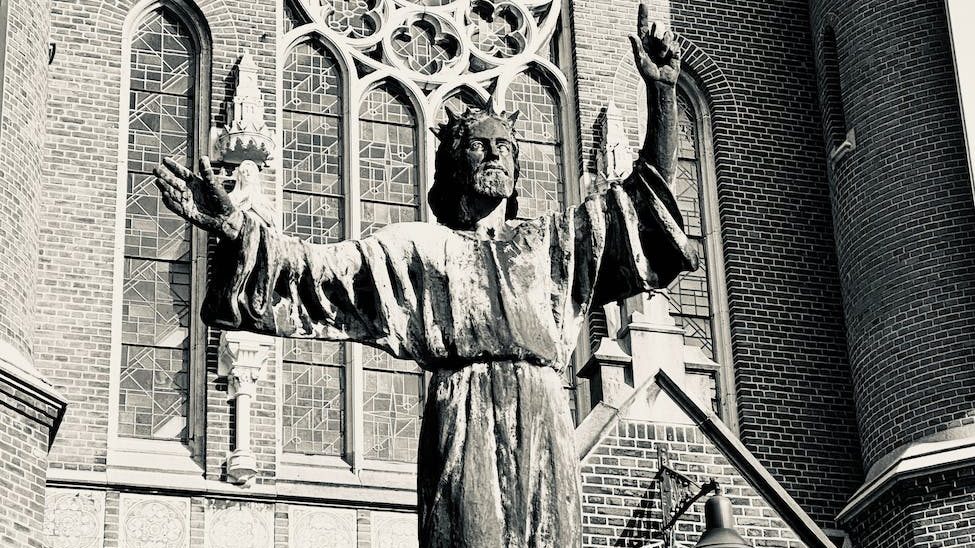
Photo by Sincerely Media on Unsplash

We have come to the end of our study in the book of Mark with more than a ray of hope, but a sun filled assurance of hope that our savior lives. Christians don’t hope as the world does, we have a certainty that God’s Word is true and Jesus Christ defeated death by rising from dead assuring us of eternal life. This is good news.

Last week we ended with those who witnessed Jesus’ death on the cross, Mary Magdalene, Mary (the mother of James the younger and of Joseph), Salome, and many other women who had followed Him. The Roman officer in charge exclaimed as Jesus cried out with His last breath, “This man was truly the Son of God!” (Mk.15:39 nlt) Jesus, the Son of God, had suffered a horrific death on our behalf as He took on Himself the sins of the whole world.

Since the Sabbath was about to start in a few short hours, “Joseph of Arimathea took a risk and went to Pilate and asked for Jesus’ body. (Joseph was an honored member of the high council, and he was waiting for the Kingdom of God to come.)” (Mk.15:43 nlt) Pilate granted his request after inquiring if Jesus had already died. Most men who were crucified died two or three days after being nailed to a cross. Pilate was surprised Jesus was dead. After confirming His death Pilate released Jesus’ body to Joseph who “bought a long sheet of linen cloth. Then he took Jesus’ body down from the cross, wrapped it in the cloth, and laid it in a tomb that had been carved out of the rock. Then he rolled a stone in front of the entrance.” (Mk.15:46 nlt) Some of the women who were there saw where Jesus’ body was laid and going home they prepared spices to bring to the gravesite.

FreeBibleimages.org

Mark records for us that the next day at sunset marking the end of the Sabbath, Mary Magdalene, Mary the mother of James, and Salome went out to buy additional spices to anoint Jesus’ body the next morning. The Jews did not embalm their dead. The women were planning to offer the spices they had prepared and purchased as an act of devotion and love. They obviously were not expecting anything other than to find a sealed grave when they got to the tomb. In fact, they even discussed on the way how would they get the stone rolled away. So, “Very early on Sunday morning, just at sunrise, they went to the tomb. On the way they were asking each other, ‘Who will roll away the stone for us from the entrance to the tomb?’” (Mk.16:2-3 nlt) But to their surprise when they arrived, they saw the stone had already been moved aside.

The Bible says the women were shocked at what they saw as they entered the tomb. Entering through the main entryway into the fore chamber they preceded to  the back into a low rectangular opening leading to the burial chamber. That is where they saw an angel in a white robe sitting on the right side. The angel said to them, “Don’t be alarmed. You are looking for Jesus of Nazareth, who was crucified. He isn’t here! He is risen from the dead! Look, this is where they laid his body.” (Mk.16:6 nlt) He then told the women to go and tell the disciples that Jesus has risen and He was going to Galilee and they were to meet Him there. The women left the tomb frighten and bewildered by what they had just witnessed.

We learn from the other gospel writers the women did report to the disciples all that had happen and that Jesus was alive. The disciples all doubted at first, but all came to believe that Jesus had indeed risen from the dead. Note the special attention given to Peter. “Now go and tell his disciples, including Peter, that Jesus is going ahead of you to Galilee.” (Mk.16:7 nlt) This wasn’t addressed to Peter because he was the leader, but to reassure him that he was still one of Jesus’ disciples. This should be a great encouragement to us knowing that the Lord never gives up on us or discards us when we disobey Him and even deny Him.

FreeBibleimages.org

The climax to the gospel of Jesus Christ is His resurrection. He is declared the Son of God in great power. “and he (Jesus) was shown to be the Son of God when he was raised from the dead by the power of the Holy Spirit. He is Jesus Christ our Lord.” (Ro.1:4 nlt) Jesus was raised so we can be raised. He is alive at this very moment sitting at the right hand of God the Father. Jesus’ resurrection assures all of us eternal life who accept Him as Lord and Savior. This is the good news, the Gospel of Jesus Christ. Thank you for joining us each Sunday in our look at the book of Mark in ‘Biblical Insights.’  I pray is has been a huge blessing!

Bible Studies

“The Crucifixion” The Gospel of Jesus Christ: the book of Mark                 

Read: Mark 15:16-47 NLT – The Soldiers Mock Jesus – The soldiers – Bible Gateway

“Then at three o’clock Jesus called out with a loud voice, ‘Eloi, Eloi, lema sabachthani?’ which means ‘My God, my God, why have you abandoned me?’” Mark 15:34 NLT

FreeBibleimages.org

The book of Mark as you know if you have been following along each Sunday is the gospel of Jesus Christ, the good news. This week as we near the end of our study we come to the reason why Jesus came down to earth, Mark writes in the tenth chapter of this book, “For even the Son of Man came not to be served but to serve others and to give his life as a ransom for many.” (Mk.10:45 nlt) Indeed, Jesus came to give up His life so we may be saved from eternal damnation and hell fire. Jesus is about to be led to the cross after being released by Pilate into the hands of Roman soldiers after the crowds selected Barabbas to go free and Jesus to be crucified. For this purpose, Christ came, to save us from our sins.

“The soldiers took Jesus into the courtyard of the governor’s headquarters (called the Praetorium) and called out the entire regiment.” (Mk.15:16 nlt) The praetorium was the headquarters of the Roman Cohort and also served as the official governors residence in Jerusalem. The soldiers job was to carry out crucifixions under Pilate’s orders. They took extra time before leading Jesus up to calvary’s hill as they mocked Him as the King of the Jews. Dressing Him in a purple robe, an old military cloak to represent royalty, they weaved a crown of thorns from a prickly plant and placed it on His head. The soldiers proceeded to mock Jesus by striking Him, spitting on Him, bowing down to Him mockingly and shouting ‘Hail, King of the Jews.” After they had their fill the soldiers led Jesus out to be crucified.

Due to lack of sleep the night before and the crucial beating Jesus received by the Roman soldiers He was to weak to carry the crossbeam all condemned prisoners were to carry to their crucifixion. The soldiers forced a man named, Simon, from Cyrene a city in Libya with a large Jewish population, to carry Jesus’ crossbeam. Simon was most likely in Jerusalem to celebrate the Passover. An interesting note concerning his two sons being mentioned, Alexander and Rufus, we do not know  much about them. Though unknown, however, they must have been well known to the people Mark was writing to because he made note of them.

“And they brought Jesus to a place called Golgotha (which means “Place of the Skull”).” (Mk.15:22 nlt) Golgotha is an Aram. Word meaning ‘skull.’ It possibly got its name from the frequent crucifixions that took place there. As was customary, they gave Jesus wine mixed with myrrh to deaden the pain, but Jesus refused it. The solders proceeded to nail Him to the cross and divided His clothing in which they cast lots for as predicted in the Old Testament. “They divide my garments among themselves and throw dice for my clothing.” (Ps.22:18 nlt) They placed a sign above His head, which was also customary, stating the crime in which each criminal was being put to death for. Jesus’ simply said, ‘The King of the Jews.’

On each side of Jesus was a criminal, both of whom were arrested for taking part in an insurrection, which was a capital crime that carried a death sentence. We know from other gospel writers that one of them insulted Jesus by telling Him to save Himself and them, but the other criminal realizing his guilt and just punishment asked Jesus to remember him when He went into His kingdom. A lesson for each of us to take seriously that everyone is saved the same way, admitting our sin and confessing to the Lord. Failure to do so will result in not being in the Kingdom of God.

FreeBibleimages.org

Ridicule and insults were being tossed at the servant Jesus on the cross. From the passers-by to the religious rulers all were taunting Jesus to come down from the cross and prove Himself to be the Son of God. “Let this Messiah, this King of Israel, come down from the cross so we can see it and believe him!” (Mk.15:32 nlt)

At noon the Bible says darkness fell across the whole land until three o’clock. Then at three o’clock Jesus called out with a loud voice, “Eloi, Eloi, lema sabachthani?” which means “My God, my God, why have you abandoned me?” (Mk.15:33-34 nlt) Again, from a reading in the Old Testament book of Psalms, David writes “My God, my God, why have you abandoned me? Why are you so far away when I groan for help?” (Ps.22:1 nlt) Jesus felt the deep abandonment from His Father as God the Father cannot look upon sin. God saw the sin of the whole world placed on His Son Jesus; He could do nothing but turn His back. A price felt by Jesus that was more painful than the physical pain He endured during the crucifixion. He did that for each one of us.

Jesus then cried out loudly and breathed His last. His death was not like most who have died from crucifixion. Most would be on the cross two or three days, their bodies exhausted and slipping into unconsciousness before death. But “Jesus uttered another loud cry and breathed his last.” (Mk.15:37 nlt) Mark then records the curtain in the sanctuary of the Temple was torn in two from top to bottom. There was no need any more for anyone to offer a sacrifice for sin. Christ paid that price with His own blood once and for all time. The writer of Hebrews notes, “Under the old covenant, the priest stands and ministers before the altar day after day, offering the same sacrifices again and again, which can never take away sins. But our High Priest offered himself to God as a single sacrifice for sins, good for all time. Then he sat down in the place of honor at God’s right hand.” (Heb.10:11-12 nlt)

FreeBibleimages.org

A Roman officer, who may have been the closest witness to Jesus on the cross, exclaimed after what he just saw, “This man truly was the Son of God!” (Mk.15:39 nlt) This officer who was in charge and seen many crucifixions knew this was no ordinary death. Jesus had the strength to call out in a loud voice, evidence that He laid down His life for us, it wasn’t taken from Him. The Roman officer was right; Jesus truly is the Son of God.

Next week we end our study in the book of Mark with the resurrection of Jesus Christ which gives us all assurance of eternal life for those of us who believe on His name. Until next week……

Bible Studies

“Jesus on Trial” The Gospel of Jesus Christ: the book of Mark

Read: Mark 14:53-15:15 NLT – Jesus before the Council – They took – Bible Gateway

“Then the high priest stood up before the others and asked Jesus, ‘Well, aren’t you going to answer these charges? What do you have to say for yourself?’ But Jesus was silent and made no reply.” Mark 14:60-61 NLT

FreeBibleimages.org

“Then the leading priests kept accusing him of many crimes, and Pilate asked him, ‘Aren’t you going to answer them? What about all these charges they are bringing against you?’” Mark 15:3-4 NLT

Jesus now deserted by His closest followers is led to Caiaphas’ house, the high priest, for His trial. Jesus’ trail is in two stages, a Jewish trial and a Roman trial. Each one comprised of three separate inquiries. In order to cover every segment of the two trials one needs to review all four gospels. Not one of the gospel writers compiled Jesus’ trials in totality, each gave more emphasis to certain portions of each stage. Here now, is Mark’s account of ‘Jesus on trial.’

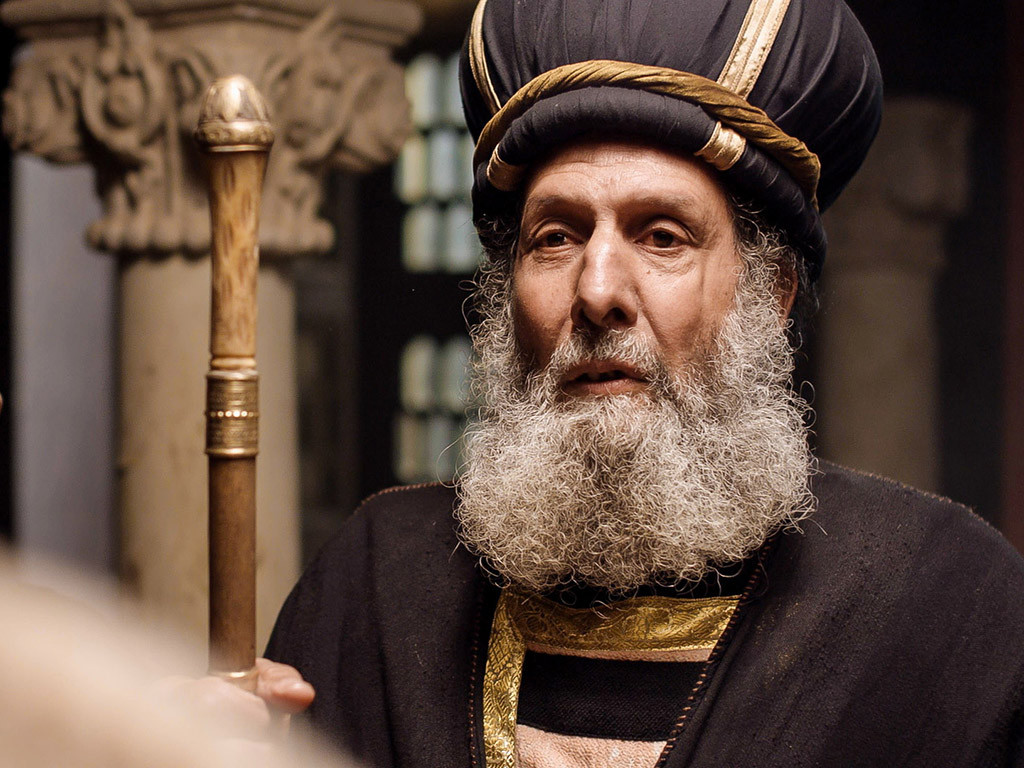
“They took Jesus to the high priest’s home where the leading priests, the elders, and the teachers of religious law had gathered.” (Mk.14:53 nlt) All the ruling Jewish leaders were present. This ruling body made up the Sanhedrin who were the ones examining this case and the charges that would be brought against Jesus. They probably met at Caiaphas’ house and at night to ensure secrecy from the people. Their goal was to find evidence to be able to put Jesus to death. Many false witnesses were brought in to collaborate their testimonies to find two or three who agree. Two or three witnesses were needed according to Jewish law for conviction. The problem was, they couldn’t find any who agreed.  

The high priest decided to push Jesus for an answer to the accusations He was hearing about Himself. Caiaphas didn’t understand Jesus’ silence through these allegations. Caiaphas finally asked Jesus, “Well, aren’t you going to answer these charges? What do you have to say for yourself?” (Mk.14:60 nlt) But Jesus gave no answer. Caiaphas then push Him further by asking, “Are you the Messiah, the Son of the Blessed One?” (Mk.14:61b nlt) Jesus answered this time by saying, “I AM. And you will see the Son of Man seated in the place of power at God’s right hand and coming on the clouds of heaven.” (Mk.14:62 nlt) The high priest torn his clothes at Jesus’ response. He considered the answer as blasphemous, dishonoring the name of God. Jesus claiming to be the Messiah and having the authority only belonging to God was enough for what they were looking for to condemn Jesus. “Then the high priest tore his clothing to show his horror and said, ‘Why do we need other witnesses?’” (Mk.14:63 nlt) They declared Jesus guilty and deserving of death. They preceded to mock Him, spit on Him, and beat Him before sending Him on to Pilate.

Meanwhile, Peter is in the courtyard having followed the crowd to Caiaphas’ house. Standing by the fire in the chill of the night air he is noticed by a servant girl who confronted him saying this man has been with Jesus. Peter denied it. She began telling others, but again he denied it. Then a third time, “A little later some of the other bystanders confronted Peter and said, ‘You must be one of them, because you are a Galilean.’ Peter swore, ‘A curse on me if I’m lying—I don’t know this man you’re talking about!’” (Mk.14:70-71 nlt) Immediately, the rooster crowed and Peter remembered Jesus’ words telling him that ‘before the rooster crows you will deny me times.’ At this Peter went out and weep bitterly.

FreeBibleimages.org

The scene now shifts to the early morning hours where a second meeting of the Sanhedrin takes place to legitimize the trial and Jesus’ guilty verdict. It was illegal to hold a trial at night, so they sort of made it official in the morning light. They also had no authority from the Roman government to carry out capital punishment. Jesus had to be brought before Pilate. “Very early in the morning the leading priests, the elders, and the teachers of religious law—the entire high council—met to discuss their next step. They bound Jesus, led him away, and took him to Pilate, the Roman governor.” (Mk.15:1 nlt)

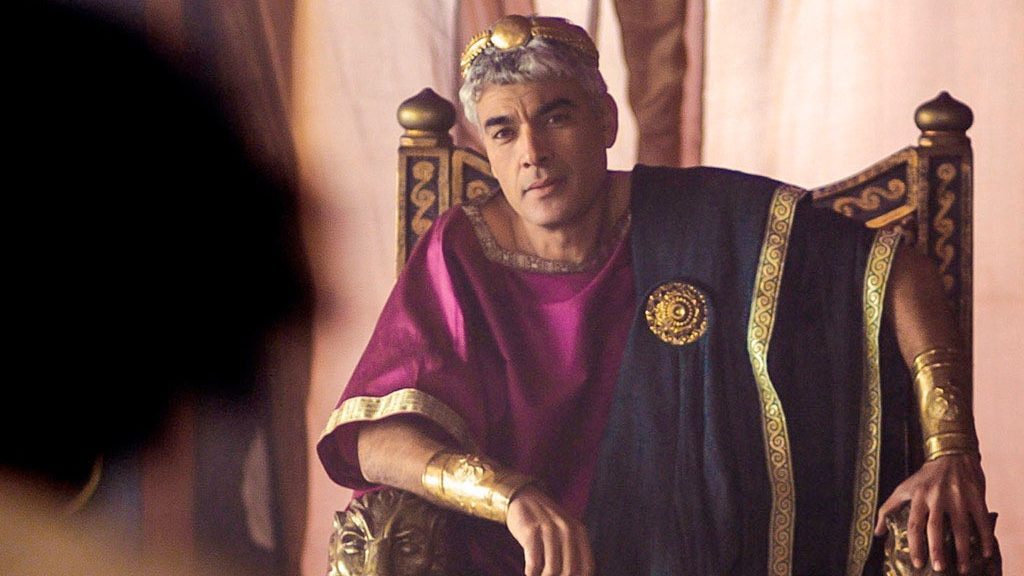
Pilate had only one concern as Jesus was brought to him by the Jewish rulers, was He asserting Himself to be king. Pilate asked Him, ‘“Are you the king of the Jews?’ Jesus replied, ‘You have said it.’” (Mk.15:2 nlt) The leading priests were continuing to throw accusations of many crimes committed by Jesus. It wasn’t uncommon for multiple charges to be made in a criminal case. Again as with Caiaphas, Pilate was confused why Jesus wouldn’t answer back against those charges. But Jesus didn’t utter a word.

During the Passover celebration it was Pilate’s custom to release a prisoner of the peoples choice. Pilate knew that the religious rulers brought Jesus to him out of envy. This was Pilate’s out, for he knew Jesus was innocent. But the leading priests stirred up the crowd to ask for Barabbas, an insurrectionist and a murderer. When Pilate then asked. ‘“Then what should I do with this man you call the king of the Jews?’ They shouted back, ‘Crucify him!’ ‘Why?’ Pilate demanded. ‘What crime has he committed?’ But the mob roared even louder, ‘Crucify him!’” (Mk.15:12-14 nlt) When Pilate saw he was getting nowhere; he appeased the crowd by releasing Barabbas, the murderer, and handing Jesus over to be crucified.

It is very much like our current day. Crowds can be stirred up to participate in the cruelest acts. Releasing the guilty and punishing the innocent. We live in a world that is corrupted by sin. Its influence is seen and felt every day. The world has a sin problem; we have a sin problem. As unjust as Jesus’ trials were, it was God’s plan of salvation for each one of us who believe in Jesus Christ. And Jesus accepted His Father’s will and remained silent letting the trial come to completion leading to cross where we pick it up next week……….

Bible Studies

“Your Will Be Done” The Gospel of Jesus Christ: the book of Mark   

Read: Mark 14:32-52 NLT – Jesus Prays in Gethsemane – They went – Bible Gateway

‘“Abba, Father,’ he cried out, ‘everything is possible for you. Please take this cup of suffering away from me. Yet I want your will to be done, not mine.’” Mark 14:36 NLT

Our last time in the book of Mark we covered the conclusion of the Last Supper. Jesus gave new meaning to the Passover meal by applying the unleavened bread and the wine to Himself. The bread of affliction symbolized His broken body as He would be nailed to the cross, and the cup of wine represents the blood He would shed for the remission of sins. Jesus then tells His disciples “I tell you the truth, I will not drink wine again until the day I drink it new in the Kingdom of God.” (Mk.14:25 nlt) Scripture says they then sung a hymn and proceeded to the Mount of Olives.

Photo by Stacey Franco on Unsplash
 

Jesus with the disciples came to Gethsemane, an Olive Grove on the lower slopes of the Mount of Olives. Gethsemane means ‘oil press’ where olives are crushed for the oil. This was one of Jesus’ favorite places to go, and ironically it is representative of His body being crushed and His blood being spilled for us. “He took Peter, James, and John with him, and he became deeply troubled and distressed. He told them, ‘My soul is crushed with grief to the point of death. Stay here and keep watch with me.’” (Mk.14:3-4 nlt) Jesus wanted these three, the leaders of the disciples, with Him during His time of sorrow. Jesus’ grief was so great He was at the risk of death just from His extreme sorrow.

While Peter, James, and John stay behind, Jesus went a little further from them and fell down and prayed. He asked His Father if the hour before would pass Him by. The hour was the time of God’s plan of salvation where Jesus would suffer and die. Jesus cried out, “Abba, Father, everything is possible for you. Please take this cup of suffering away from me.” (Mk.14:36 nlt) ‘Abba’ is an expression of a close loving relationship such as the term ‘daddy.’ Knowing that there isn’t anything His Father, can’t do, Jesus asked if this cup, meaning the ‘cup of death and God’s wrath’ upon Him be taken away. Jesus would have the sin of the entire human race placed on Him causing God His Father to turn His back on Him as Jesus paid the price for our sins. Paul writes in 2 Corinthians, “For God made Christ, who never sinned, to be the offering for our sin, so that we could be made right with God through Christ.” (2Cor.5:21 nlt)

Although Jesus knew of the physical suffering He would go through and that His Father would turn His back on Him for God cannot look upon sin, Jesus said, “Yet I want your will to be done, not mine.” (Mk.14:36b nlt) Jesus resolved to do the Father’s will. It was the Father’s plan of salvation to save mankind and it was and still is the only way of salvation. David Guzik, Christian pastor and author states, “This prayer of Jesus eliminates any other way of salvation. If there is another way, His death was not necessary, and His prayer was not answered.” There is no other way.

Jesus returned and found Peter, James, and John sleeping. He called out Peter as the leader of the leaders, “Simon, are you asleep? Couldn’t you watch with me even one hour?” (Mk.14:37 nlt) Jesus called Peter ‘Simon’ perhaps because he wasn’t living up to the name Jesus gave him. All three were then told, “Keep watch and pray, so that you will not give in to temptation. For the spirit is willing, but the body is weak.” (Mk.14:38 nlt) The disciples are soon going to be challenged and they are to be faithful in the threat of temptation and upcoming attacks on them. They would soon be tested as Jesus is arrested. If Peter had been watching and praying perhaps, he would not have denied Jesus.

FreeBibleimages.org

Leaving them a second time, Jesus went and prayed the same thing to the Father. Upon retuning He found them asleep again. The Bible says, “And they didn’t know what to say.” (Mk.14:40 nlt) They had nothing to say because they had no excuse. How many times are we without excuse when we should be watching and praying and the Lord finds us asleep, not paying attention to the signs of His coming and His command to us to make disciples. It happen a third time and this time Jesus said, “Go ahead and sleep. Have your rest. But no—the time has come. The Son of Man is betrayed into the hands of sinners. Up, let’s be going. Look, my betrayer is here!” (Mk.14:41-42 nlt)

A company of Roman soldiers along with servants of the court and the Temple guard led by Judas make their way through the garden of Gethsemane to Jesus. The order to arrest Jesus came from the Sanhedrin. “As soon as they arrived, Judas walked up to Jesus. ‘Rabbi!’ he exclaimed and gave him the kiss. Then the others grabbed Jesus and arrested him..” (Mk.14:45-46 nlt) Judas had arranged for them to arrest the one who he greets with customary Middle Eastern greeting of a kiss. But there were several methods of this greeting kiss. Judas chose the most intimate one, a kiss on the cheek, as in a pupil and a teacher (Rabbi), and in the most despicable  way.

Mark records that one of the disciples drew a sword and cut off an ear of the high priest’s servant. We know from other gospel records that this disciple was Peter, and we also know that Jesus touched the servant and he was healed. Yet, the arrest continued to take place. Jesus then confronted them by asking “Am I some dangerous revolutionary, that you come with swords and clubs to arrest me?” (Mk.14:48 nlt) A revolutionary would be arrested under the cloud of darkness, but not a man who everyone knew preaching openly at the Temple every day. But that is why they arrested Jesus secretly. There were no grounds to arrest Him. And this was prophesied in the Old Testament, “Unjustly condemned, he was led away…… He had done no wrong and had never deceived anyone.” (Is.53:9-10 nlt) As Jesus foretold His disciples they would all abandon Him, (Mk.14:27) they did.

FreeBibleimages.org

The garden scene ends with a young man who was following behind wearing only a linen sheet. None of the other gospel writers record this instance. It seems to be out of place, but it is thought to be Mark himself the writer of this gospel. Having caught wind of Jesus’ upcoming arrest he hurriedly ran to the seen perhaps jumping out of bed not taking the time to fully dress. In his haste to also escape he lost his only covering he had on him except for some undergarments.

Next week we begin to look at the trials of Jesus……….

Bible Studies

Pray for Everything

We pick up ‘The Gospel of Jesus Christ’ the book of Mark next week.

Read: Joshua 9 NLT – The Gibeonites Deceive Israel – Now all – Bible Gateway

“So the Israelites examined their food, but they did not consult the LORD.” Joshua 9:14 NLT

In a fallen world there are many forms of deception. I believe in the 21st century where we are living, we have seen the most ingenious methods to deceive even the most intelligent unsuspecting candidate. Most, if not all, scammers are one step ahead of many of their victims. They have nothing to do all day but to plan their next great deceptive scheme. There have been tragic results over the years of people losing everything they ever own by deception. Some were naïve in trusting what they thought they knew, others were taken in by scams that gave the impression they are from creditable, even official government sources, and then there are those who are taken in by their own greed looking to make that fast buck in a ‘guaranteed’ investment. The greatest tragedy is not having consulted the Lord God in prayer about any decision no matter how small it is thinking you can handle it on your own. The Lord wants you to confide in Him in prayer as He continually directs you in your new territory.

Joshua and the leaders of Israel failed to consult the Lord on a matter they thought they were able to handle without His guidance. They forgot the Lord God was leading them, and He was the one in charge. Joshua was leading the people, but God was leading Joshua and the nation of Israel as a whole. Perhaps overconfidence played a part due to their recent victory at Ai when they were approached by a delegation from Gibeon six miles down the road presenting themselves as coming from a foreign nation in a far distant land. They had come to seek a peace treaty with Israel after Jericho and Ai were destroyed and figured they were next. Their deception was well thought out. Joshua 9:12-13 describes the great lengths they went to deceiving Israel, “This bread was hot from the ovens when we left our homes. But now, as you can see, it is dry and moldy. These wineskins were new when we filled them, but now they are old and split open. And our clothing and sandals are worn out from our very long journey.” (nlt) Israel fell to the deception by what they saw. They felt no need to ask God for His guidance after observing their clothing, food rations and speaking with the delegation. However, not everything is as it seems.

Failure to pray about every situation that comes into our lives will have devastating consequences, especially when we are still adjusting to our new space. Don’t forget, God brought you to your current place and He is not done leading you, nor will He ever be. Israel forgot that and made a treaty with the people of Gibeon who they were to destroy. “Then Joshua made a peace treaty with them and guaranteed their safety, and the leaders of the community ratified their agreement with a binding oath. Three days after making the treaty, they learned that these people actually lived nearby!” (Jos. 9:15-16 nlt) Israel was deceived.

After Joshua found out the truth of who the Gibeonites were and they were neighbors, he made them servants tend to carry water and woodcutting. Since the treaty was made in the name of Jehovah, it was sacred and could not be broken. Joshua honored the treaty allowing them to live.

Some Bible passages are hard for us to understand, but if we ask for the Lord’s help as we search the scriptures He will give great insights. We have seen many insights we can apply to our lives from Joshua and Israel conquering their new territory. Today see the importance of praying for everything. There are a lot of matters we handle ourselves without falling into a trap of deception. With that being said, in conclusion I leave you with an excerpt from a yesteryear devotional from the late Dr. Robert A. Cook;

“Pray your way through the day. Pray when you wake up so you won’t greet the family with a snarl. Pray on your way to school or to work. Pray before you tackled the first job of the day, whatever it may be. Pray before you answer the phone…. .Pray before you open a letter…… Pray before you make a decision. Pray before you hire a person and before you fire one, if you have to. Pray before you enter a business deal……Pray your way through the day.” (1)

Praying our way through the day makes good sense, that way we cover everything both large and small. Remember you haven’t been here before, allow God to make decisions for you. ‘Pray for everything’. He will make it clear what to do and you won’t be deceived.

(1) Cook, Robert. Today With The King, Wheaton, Scripture Press, 1985.

Bible Studies

“The Last Supper part 2” The Gospel of Jesus Christ: the book of Mark

Read: Mark 14:22-31 NLT – As they were eating, Jesus took some – Bible Gateway

“As they were eating, Jesus took some bread and blessed it. Then he broke it in pieces and gave it to the disciples, saying, ‘Take it, for this is my body.’” Mark 14:22 NLT

FreeBibleimages.org

Last week we started to work our way through the Last Supper. Jesus’ final meal with His disciples was the celebration of Passover. In this final meal Jesus gives new meaning to the Passover meal. Let’s begin.

Jesus gathered around the table with His disciples in an upper room prepared for the Passover meal. The celebration symbolizes God redeeming His people or slavery from the Egyptians. The meal would take most of the evening beginning at sunset and usually finishing by midnight. It was noted last week Jesus make a statement somewhere in the course of the meal, perhaps early on, “I tell you the truth, one of you eating with me here will betray me…… It is one of you twelve who is eating from this bowl with me.” (Mk.14:18, 20 nlt)  The disciples thought this to be unimaginable and impossible, except Judas who already had the thirty pieces of silver in his pocket. Jesus went on to explain, “For the Son of Man must die, as the Scriptures declared long ago. But how terrible it will be for the one who betrays him. It would be far better for that man if he had never been born!” (Mk. 14:21 nlt)

As the meal continued, Judas gone at this point, “Jesus took some bread and blessed it. Then he broke it in pieces and gave it to the disciples, saying, ‘Take it, for this is my body.’” (Mk.14:22 nlt) Scripture does not revealed at what part of the meal this took place, but it is thought to be right before eating the roasted lamb. The bread in the Passover meal represented Israel being separated from their old way of living under slavery in Egypt. As the bread was lifted up, the head of the meal would say, “This is the bread of affliction which our fathers ate in the land of Egypt. Let everyone who hungers come and eat; let everyone who is needy come and eat the Passover meal.” Jesus didn’t say that. He said, ‘Take it, for this is my body.’ Jesus brought new meaning to this meal. Jesus applied it to Himself and the suffering He will endure for the salvation of many. The unleavened bread represented His body which would be broken as He will be nailed to a cross.

Jesus then took the cup of wine giving thanks for it to God and gave it to His disciples to drink. “And he said to them, ‘This is my blood, which confirms the covenant between God and his people. It is poured out as a sacrifice for many.’” (Mk.14:24 nlt) The prophet Isaiah wrote in Isaiah 53 of the ‘suffering servant.’ “Therefore, I will allot Him a portion with the great, And He will divide the booty with the strong; Because He poured out Himself to death And was numbered with the transgressors; Yet He Himself bore the sin of many And interceded for the transgressors.” (Is.53:12 nasb) The wine represents Jesus’ blood that will be shed (poured out) for the remission of sins. Again, Jesus gives a new meaning here in establishing a new covenant. The shedding of blood in a sacrifice was required by God for an establishment of a covenant. Jesus’ blood needed to shed for the forgiveness of sins. Jesus said His blood was confirming the new covenant.

FreeBibleimages.org

Jesus confirms to His disciples this is the last time He will drink wine with them until He drinks new in the kingdom of God. In less than twelve hours Jesus will be put on a cross to suffer and die for our sins. His body will be broken and His blood shed. Mark writes after the meal they sung a hymn, the traditional Passover Hallel of Psalm 118, then they went to the Mount of Olives.

The disciples once again get some disturbing news from their Messiah as they are walking to the Mount of Olives. Jesus tells them, “All of you will desert me. For the Scriptures say, ‘God will strike the Shepherd, and the sheep will be scattered.’” (Mk.14:27 nlt) This was prophesied in the Old Testament book of Zechariah, and of course, all prophesies in Scripture come true. But the disciples themselves have a hard time with it. Jesus does tell them He will meet them in Galilee after He is resurrected, but it seems to go over their heads as they all claim they would never desert Jesus, especially Peter. Jesus gives it to Peter straight, “I tell you the truth, Peter—this very night, before the rooster crows twice, you will deny three times that you even know me.” (Mk.14:30 nlt) Peter let his pride get the best of him. We will continue to see prophecy unfold throughout the remainer of our study in the book of Mark fulfilling the gospel message that Jesus came to save sinners. Until next week………

Bible Studies

“The Last Supper part 1” The Gospel of Jesus Christ: the book of Mark

Read: Mark 14:12-21 NLT – The Last Supper – On the first day of – Bible Gateway

“So the two disciples went into the city and found everything just as Jesus had said, and they prepared the Passover meal there.” Mark 14:16 NLT

Today we begin to look at an endearing passage of Scripture with a most recognized piece of artwork to describe it, the Last Supper. There are few people in our world today who can say they haven’t seen an artist’s work of the Last Supper. Some may not know what is represents, but they have seen it. During the last few weeks we have covered the events of Passion Week beginning with Jesus’ ride into Jerusalem. It is now Thursday and sunset is the beginning of Passover. It will be Jesus’ last Passover with His disciples and He is eager to share this last meal with them before His crucifixion.

Mark notes it is the first day of the Feast of Unleavened Bread with coincides with Passover. This sounds confusing and the names of both were used interchangeably due to their close association. The Feast of Unleavened Bread represented the removal of sin in one’s life and was celebrated for seven days beginning at the end of Passover which was one day. Passover celebrates God redeeming the children of Israel from death when they applied lambs blood on the door posts in Egypt on that first Passover before He miraculously led them out of slavery. “Jesus’ disciples asked him, ‘Where do you want us to go to prepare the Passover meal for you?’” (Mk.14:12 nlt)

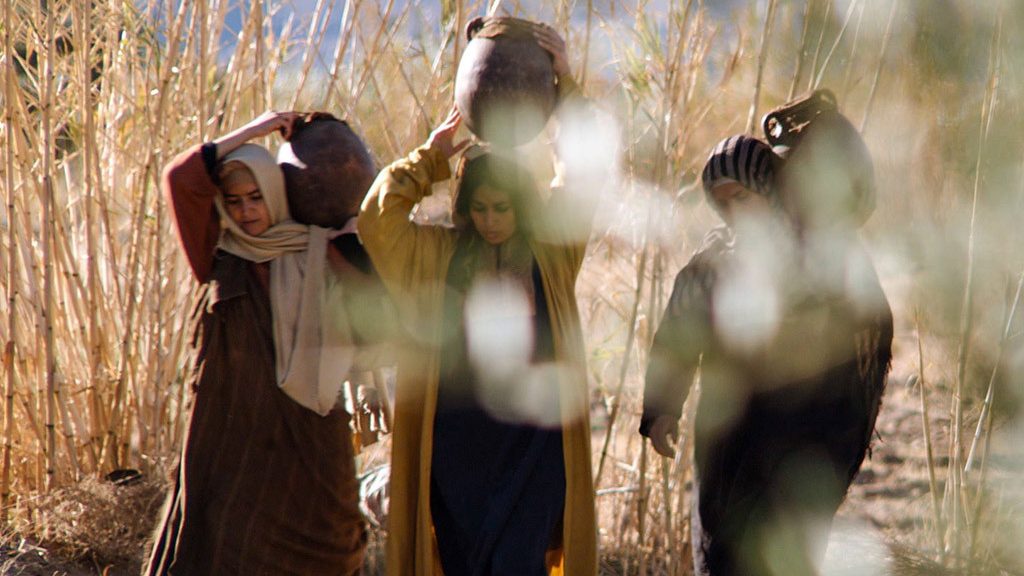
Jesus displays His divine knowledge once again as He did when sending two of His disciples to gather a donkey for His ride into Jerusalem. Jesus sends two disciples into the city with instructions on where to prepare the Passover meal. We know from the gospel of Luke these men are Peter and John. Jesus told them to look for a man carrying a pitcher of water and follow him to his home. That is the place. Peter and John went into Jerusalem and spotted the man with the pitcher of water. He would have been easy to identify because carrying water in pitchers was a task reserved for women. Men usually carried water in animal skin containers. They followed him to his home and said to him, “The Teacher asks: ‘Where is the guest room where I can eat the Passover meal with my disciples?’” (Mk.14:14 nlt) It was customary in those days to offer a room to pilgrims who had come to Jerusalem for Passover. Jesus may have made prior arrangements with the man for the room. The man showed them a large upper room as Jesus told them, perhaps a roof chamber built on top of the roof. So, Peter and John prepared the Passover meal where Jesus instructed them to.

Photo by Alex Shute on Unsplash

The preparation of the meal began with getting a lamb for sacrifice. Only two people were allowed to accompany the lamb for sacrifice which would be killed between 3-5 PM. The blood would be sprinkled on the altar and the lamb taken home to be prepared by roasting it whole for the evening meal. Other chores were providing other necessary foods for the meal; unleavened bread, bitter herbs, sauce made from crushed apples, dates, pomegranates, and nuts. And of course, wine. The meal would begin at sunset and was to be concluded by midnight.

Jesus and His disciples gather in the evening in the furnished upper room prepared for Passover. During the meal Jesus says, “I tell you the truth, one of you eating with me here will betray me.” (Mk.14:18 nlt) Apparently a shock to eleven of the disciples as they each responds in disbelief, ‘Am I the one?’ Even Judas, number twelve, who knew he was the one. No doubt Judas wanted to avoid suspicion. The eleven were expressing the thought that this is an impossibility. This could not happen.

Again to their shock Jesus says, “It is one of you twelve who is eating from this bowl with me.” (Mk.14:20 nlt) During the meal bread or meat was dipped in the sauce that was prepared for the occasion. There were probably several bowls of sauce on the table as there were thirteen people gathered around. This would indicate that Judas would have been seated close to Jesus to be able to dip in the same bowl. This betrayal was deep and personal as it broke the table fellowship of a close friend. Bible commentator David Guzik notes, “In Middle Eastern culture, betraying a friend after eating a meal with him was and is regarded as the worst kind of treachery.”

FreeBibleimages.org

Jesus then remarks, “For the Son of Man must die, as the Scriptures declared long ago. But how terrible it will be for the one who betrays him. It would be far better for that man if he had never been born!” (Mk.14:21 nlt) Jesus notes two truths in this verse. First, the Scriptures declared the Son of Man must die. Isaiah, the prophet writes in Isaiah 53 known as the ‘Suffering Servant’ chapter, “But it was the LORD’s good plan to crush him and cause him grief. Yet when his life is made an offering for sin, he will have many descendants. He will enjoy a long life, and the LORD’s good plan will prosper in his hands.” (Is.53:10 nlt) Christ’s death on the cross provided a way of salvation for us by shedding His blood, for He is our Passover lamb. (1Cor.5:7) Second, Judas will not escape the torment of eternal punishment in hell by rejecting Jesus and His way of salvation. It would have been better if he had never been born. This horrible tragedy is still true today for those who reject Jesus. It would have been better if they had never been born. How about you? Acceptance or rejection? The choice is yours. Judas made the wrong choice. Next week part 2 of the Last Supper………

Bible Studies

“Devotion and Treachery” The Gospel of Jesus Christ: the book of Mark

Read: Mark 14:1-11 NLT – Jesus Anointed at Bethany – It was now – Bible Gateway

“Meanwhile, Jesus was in Bethany at the home of Simon, a man who had previously had leprosy. While he was eating, a woman came in with a beautiful alabaster jar of expensive perfume made from essence of nard. She broke open the jar and poured the perfume over his head.” Mark 14:3 NLT

We are heading into the final days of Passion Week in our study in the book of Mark. Jesus finished answering His disciples questions about the end times and it is now near the end of the day. Jesus had been staying at the home of Mary, Martha, and Lazarus and most likely retired there for the night. This is either Tuesday or Wednesday evening depending on how one counts the days to Passover. Chapter 14 starts out, “It was now two days before Passover and the Festival of Unleavened Bread.” (Mk.14:1 nlt) A Jewish day was sunset to sunset. Verse 1 goes on to inform us the leading priests and teachers of the Law were still plotting to arrest Jesus and put Him to death but did not want to do it during the Passover and the Festival of Unleavened Bread for fear of the people. The population of Jerusalem grows during those days to over 500,000 people. The religious rulers were afraid of an uprising among the people if Jesus was arrested. So, they backed off at the moment.

Although placed in the middle of Passion Week in Mark’s gospel, the following event took place on the night before Jesus rode into Jerusalem on the first Palm Sunday. Mark may have placed it here, as Matthew did, to show the significance of Jesus’ anointing to His upcoming death. The story begins, “Meanwhile, Jesus was in Bethany at the home of Simon, a man who had previously had leprosy. While he was eating, a woman came in with a beautiful alabaster jar of expensive perfume made from essence of nard. She broke open the jar and poured the perfume over his head.” (Mk.14:3 nlt)

FreeBibleimages.org

The home is the residence of Simon who at one time was a leper. Jesus had healed him and now Simon was part of the wider circle of Jesus’ followers. Simon’s home could have been a regular stop for Jesus when in Bethany along with Lazarus and his sisters’ home. While they were eating a woman, we know it to be Mary from John’s gospel, came in with an alabaster jar of expensive perfume. She proceeded to break open the bottle and pour it over Jesus’ head anointing Him with the aromatic oil of pure nard. It was customary in those days to anoint a guest with a dab of oil, of course this was more than a dab. As the aroma spread throughout the room, the realization began to sink in of Mary’s action. This perfume was kept in an alabaster jar made of a special variety of marble to keep it preserved. It was imported from India and would have been valued at a years wages at the time. Needless to say there were plenty of people upset for what they perceived as a waste of money. “Some of those at the table were indignant. ‘Why waste such expensive perfume?’ they asked. ‘It could have been sold for a year’s wages and the money given to the poor!’ So they scolded her harshly.” (Mk.14:4-5 nlt) The gospel of Matthew names the disciples as the ones complaining and John states it was Judas who was leading the charge in the murmuring. They were looking at it from the world’s perspective, as most of us do, but Jesus gives a full explanation to the purpose of Mary’s anointing Him.

The first thing Jesus says is to stop criticizing her. Mary had done a good thing. Then He says, “You will always have the poor among you, and you can help them whenever you want to. But you will not always have me.” (Mk.14:7 nlt) Jesus was not displaying a lack of concern for the poor but was making a point. (It is true we always have the poor among us. That has not changed. But are we following Jesus’ advice that we can help them whenever we want? And more importantly when do we want to?) Jesus made it a point to stress He will not always be around, in fact Jesus had least than one week before His crucifixion. Mary had done what she could. She anointed Jesus’ body for burial. Did Mary realize the symbolism of what she was doing? We really don’t know. But she was one who sat at His feet listening intently to Jesus’ every word. If we do that today, we may be surprised how much insight the Lord will reveal to us. Jesus knew He was headed for a criminal’s death and criminals did not have their bodies anointed after death before burial. Mary anointed Jesus for His burial. This anointing also displayed her love and devotion to her Lord and Savior, the one who was worthy to have the entire bottle of expensive fragrant oil poured over Him. It was not wasted. He is worthy!

Judas was more than upset, he had enough, “Then Judas Iscariot, one of the twelve disciples, went to the leading priests to arrange to betray Jesus to them.” (Mk.14:10 nlt) Judas being a thief did not care about the poor, but it sounded good in scolding Mary. He lost an opportunity to put that money in his own pockets. Judas was also looking to Jesus as a political revolutionary to overthrow Rome, and that wasn’t going to happen. He then when to Jesus’ enemies to make a deal to betray Him. The religious leaders who decided to wait until after the Passover changed their minds and took advantage of the opportunity they had and paid Judas thirty pieces of silver. Judas began to secure a time when Jesus would be away from the crowds to set up His arrest.

FreeBibleimages.org

Mary displayed complete devotion to Jesus, her Lord. No price was too high for Mary to show Him her love. No price was too low for Judas to betray Jesus the Son of God. Thirty pieces of silver seemed the right price for treachery.

Next week we begin our look at the Last Supper………..

Bible Studies

“The Return of Christ” The Gospel of Jesus Christ: the book of Mark 

Read: Mark 13:24-37 NLT – “At that time, after the anguish of – Bible Gateway

“And since you don’t know when that time will come, be on guard! Stay alert! I say to you what I say to everyone: Watch for him!” Mark 13:33, 37 NLT

Photo by Daniel Dalea on Unsplash

This week we venture into the last days of the Great Tribulation. It is hard for us to imagine let alone understand. That is why we will look to Jesus’ words very carefully to decipher as much as we can about this upcoming day, the close of the tribulation period and the return of Christ. Jesus is still answering His disciples question as to when will these things take place. Jesus gave them the signs to look for right up to and including His physical return to rule during the millennium.

Jesus continues His Olivet Discourse, “At that time, after the anguish of those days, the sun will be darkened, the moon will give no light, the stars will fall from the sky, and the powers in the heavens will be shaken.” (Mk.13:24-25 nlt) Jesus is making note what was prophesied in the Old Testament book of Joel about the end days. (Joel 2:10, 31, 3:15) It is at this time as explained by late Dr. John MacArthur that the universe begins to disintegrate. The millions of stars within the countless galaxies begin to fall out of place, the sun is darken meaning no moonlight, indeed this is the heavens being shaken. Then Jesus says, “Then everyone will see the Son of Man coming on the clouds with great power and glory.” (Mk.13:26 nlt) Everyone on the earth at that time will see Jesus, the Son of Man, coming down on the clouds in the same manner He ascended to heaven. (Acts 1:9-11) Yes, again this is hard to imagine that everyone wherever they are in the world will see this event, but if Jesus says everyone will see Him, then everyone will see Him.

Angels will be sent out to gather His chosen ones, those who believed during the tribulation. They will be gathered from every corner of the earth. None will be missed. All the saved will enter into the millennium period with Christ as ruler. Less we forget all the saints the Lord brings back with Him in His return. Yes, all the redeemed will be there! (Rev.19:11-16)

Jesus reminds the disciples of the signs He told them to look for and equates them to the fig tree. Observing when the branches sprout and leaves begin to form they know summer is near, so then, “In the same way, when you see all these things taking place, you can know that his return is very near, right at the door.” (Mk.13:29 nlt) Jesus’ next statement is a matter as to when and who it relates to. “I tell you the truth, this generation will not pass from the scene before all these things take place. Heaven and earth will disappear, but my words will never disappear.” (Mk.13:30-31 nlt) It is best to understand this as the generation living at the time these things take place. There is also a thought this can refer to the Jewish people, as ‘generation’ can be noted as ‘race’ or ‘people.’ This would be the promise the Jewish people will survive until Jesus returns. Jesus then affirms it is impossible for God’s words to be destroyed or fade away. Heaven and earth will be destroyed, by God’s Word, never!

The Olivet Discourse concludes with Jesus telling us to be ready, be on guard, stay alert, and watch for Him. No one knows when that day will be, “not even the angels in heaven or the Son himself. Only the Father knows.” (Mk.13:32 nlt) Jesus in His humanity did not know the day of His return as He gave up His divine privileges when He came to earth in human form to save us. “Though he was God, he did not think of equality with God as something to cling to. Instead, he gave up his divine privileges; he took the humble position of a slave and was born as a human being. When he appeared in human form. (Phil.2:6-7 nlt)

 Photo by Sincerely Media on Unsplash

Jesus’ final words on this subject is to give us the example of a man leaving on a long trip. He gives instructions to all of his servants of what he wants done and assigns a gatekeeper to guard the gate outside the house until his return. The message for us is simple, Jesus gave us work to do in His absence. May we be doing His work. And we are to be as the gatekeeper always looking for His return for we don’t know when that will be. Remember Jesus’ words, “And since you don’t know when that time will come, be on guard! Stay alert!  Don’t let him find you sleeping when he arrives without warning. I say to you what I say to everyone: Watch for him!” (Mk.13:33, 36-37 nlt)

Next week we continue to look at the events of Passion Week leading up to the Last Supper. Until next week…….

Bible Studies

“Abomination of Desolation” The Gospel of Jesus Christ: the book of Mark

Read: Mark 13:14-23 NLT – “The day is coming when you will see – Bible Gateway

“But when you see the ABOMINATION OF DESOLATION standing where it should not be (let the reader understand), then those who are in Judea must flee to the mountains.” Mark 13:14 NASB

Jesus is the middle of His Olivet Discourse (the end times) with His disciples. They had asked Him when these things would take place and what signs they should look for. Last week in our study Jesus warned them and us of upcoming persecution for those who believe in Him. This persecution will come from governing officials, zealous religious leaders (Mk13:9), and our own families (Mk.13:12). Jesus summed it up by saying, “And everyone will hate you because you are my followers. But the one who endures to the end will be saved.” (Mk.13:13 nlt)

Photo AI Generated wordpress

Jesus now begins His teaching on the tribulation period and His return at the end of the age. He starts out with this, “The day is coming when you will see the sacrilegious object that causes desecration standing where he should not be.” (Reader, pay attention!) “Then those in Judea must flee to the hills.” (Mk.13:14 nlt) It must first be noted that there are differences of opinion in the events of the last days and Jesus’ return. FYI, I am coming from a dispensational premillennial point of view.

Jesus refers to the abomination of desolation (sacrilegious object of desecration in the NLT) as a coming day in the future. Among the Jews, abomination was used to depict idolatry or sacrilege. Jesus was speaking of a future act profaning the Temple. This will occur during the tribulation period. The prophet Daniel wrote about this as the angel explained Daniel’s vision to him, “The ruler will make a treaty with the people for a period of one set of seven, but after half this time, he will put an end to the sacrifices and offerings. And as a climax to all his terrible deeds, he will set up a sacrilegious object that causes desecration, until the fate decreed for this defiler is finally poured out on him.” (Dan.9:27 nlt) This is a reference to the antichrist setting an image of himself to be worshiped in the Temple during the tribulation. Which, if we understand this correctly, means the Jewish Temple will be rebuilt. Something we should be looking to.  

There is an event in Jewish history that foreshadows Jesus’ teaching here on the ‘abomination of desolation’ which the disciples would have been aware of. The king of Syria, Antiochus Epiphanes, invaded Jerusalem in 168 B.C. and built an altar to Zeus, a pagan god, on the Temple’s altar and sacrificed a pig on it. Surely an abomination. Another abomination of desolation will occur in the end times.

Jesus goes on to say, “(Reader, pay attention!) Then those in Judea must flee to the hills” (Mk.13:14 nlt) There will be those who will come to know the Lord during the tribulation period. These are believers who are to be prepared to when they see these things and flee to safety. This will happen at the midway point of the tribulation as prophesied by Daniel.

The urgency of the matter is stressed by Jesus. “A person out on the deck of a roof must not go down into the house to pack. A person out in the field must not return even to get a coat. How terrible it will be for pregnant women and for nursing mothers in those days. And pray that your flight will not be in winter.” (Mk.13:15-18 nlt) There is no time to retrieve clothing or pack a tote bag. The example of pregnant women and nursing mothers refer to the difficult circumstances one will be under trying to escape. If occurring in winter during the heavy rains, it would be impossible to cross the streams due to the rising waters.

This is indeed the great tribulation. Jesus declares there will be greater anguish in this time that any other time in world history and will never be again. Unless that time is shorten, Jesus says no one will survive. “ But for the sake of his chosen ones he has shortened those days.” (Mk.13:20 nlt) His chosen ones, the elect, those who are saved during the tribulation. Warning is given to beware of false messiahs rising up to deceive those fleeing to refuge. “For false messiahs and false prophets will rise up and perform signs and wonders so as to deceive, if possible, even God’s chosen ones.” (Mk.13:22 nlt) They are warned of the danger of these false messiahs and prophets. A warning for Christians today. There are plenty of false prophets in the world. False teachers flood the airwaves, social media, and churches. Witchcraft, tarot card reading, and fortune telling are prevalent today. All, believe it or not, capable of ‘performing signs and wonders’ as Jesus said to deceive us. This, of course, is from the evil one and his demons. That is why Christians are to stay far from them.

Jesus finishes His warnings with a final thrust, “Watch out! I have warned you about this ahead of time!” (Mk.13:23 nlt) As we have been learning Jesus’ warning signs of the coming days of tribulation, it is a time no one would want to go through. Christians today will not go through the tribulation as the Lord will return for His church before then. But will you be one caught up on that day or be left behind? You can make sure today by accepting Christ as your savior. We don’t know when that day will come. With that said…..

As we continue next week, Jesus continues His teaching with the closing days of the tribulation and says this, “However, no one knows the day or hour when these things will happen, not even the angels in heaven or the Son himself. Only the Father knows.” (Mk.13:32 nlt) Until next week…….

Photo by Tima Miroshnichenko on Pexels.com