
Read: Mark 14:53-15:15 NLT – Jesus before the Council – They took – Bible Gateway
“Then the high priest stood up before the others and asked Jesus, ‘Well, aren’t you going to answer these charges? What do you have to say for yourself?’ But Jesus was silent and made no reply.” Mark 14:60-61 NLT
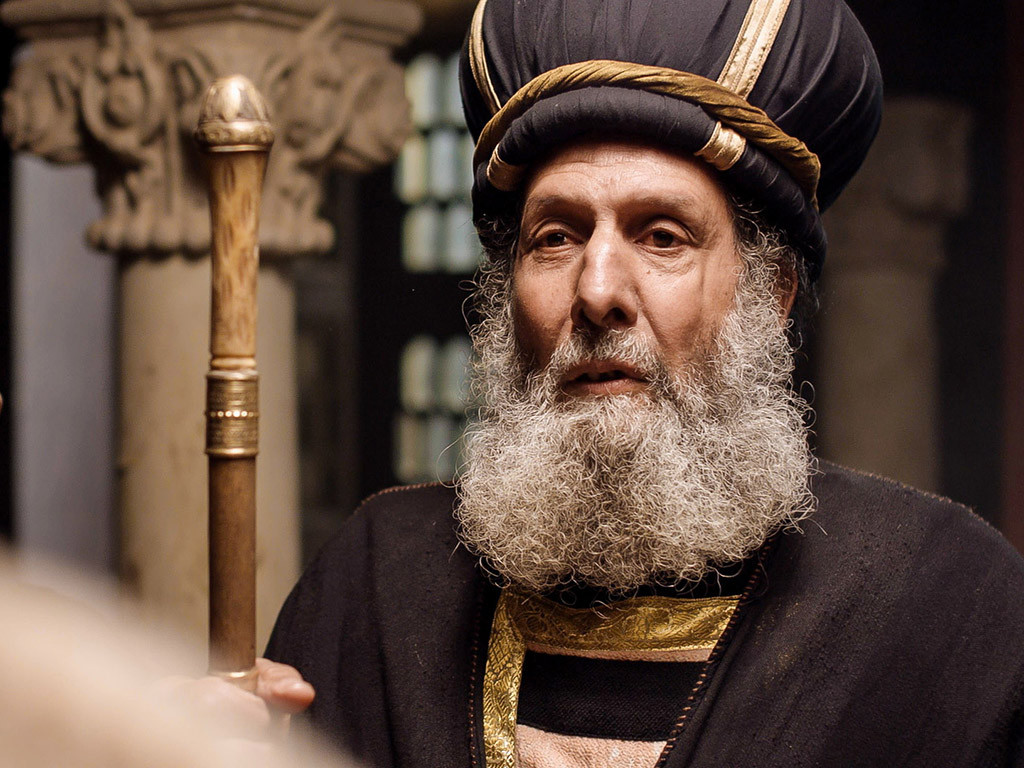
“Then the leading priests kept accusing him of many crimes, and Pilate asked him, ‘Aren’t you going to answer them? What about all these charges they are bringing against you?’” Mark 15:3-4 NLT
Jesus now deserted by His closest followers is led to Caiaphas’ house, the high priest, for His trial. Jesus’ trail is in two stages, a Jewish trial and a Roman trial. Each one comprised of three separate inquiries. In order to cover every segment of the two trials one needs to review all four gospels. Not one of the gospel writers compiled Jesus’ trials in totality, each gave more emphasis to certain portions of each stage. Here now, is Mark’s account of ‘Jesus on trial.’
“They took Jesus to the high priest’s home where the leading priests, the elders, and the teachers of religious law had gathered.” (Mk.14:53 nlt) All the ruling Jewish leaders were present. This ruling body made up the Sanhedrin who were the ones examining this case and the charges that would be brought against Jesus. They probably met at Caiaphas’ house and at night to ensure secrecy from the people. Their goal was to find evidence to be able to put Jesus to death. Many false witnesses were brought in to collaborate their testimonies to find two or three who agree. Two or three witnesses were needed according to Jewish law for conviction. The problem was, they couldn’t find any who agreed.
The high priest decided to push Jesus for an answer to the accusations He was hearing about Himself. Caiaphas didn’t understand Jesus’ silence through these allegations. Caiaphas finally asked Jesus, “Well, aren’t you going to answer these charges? What do you have to say for yourself?” (Mk.14:60 nlt) But Jesus gave no answer. Caiaphas then push Him further by asking, “Are you the Messiah, the Son of the Blessed One?” (Mk.14:61b nlt) Jesus answered this time by saying, “I AM. And you will see the Son of Man seated in the place of power at God’s right hand and coming on the clouds of heaven.” (Mk.14:62 nlt) The high priest torn his clothes at Jesus’ response. He considered the answer as blasphemous, dishonoring the name of God. Jesus claiming to be the Messiah and having the authority only belonging to God was enough for what they were looking for to condemn Jesus. “Then the high priest tore his clothing to show his horror and said, ‘Why do we need other witnesses?’” (Mk.14:63 nlt) They declared Jesus guilty and deserving of death. They preceded to mock Him, spit on Him, and beat Him before sending Him on to Pilate.
Meanwhile, Peter is in the courtyard having followed the crowd to Caiaphas’ house. Standing by the fire in the chill of the night air he is noticed by a servant girl who confronted him saying this man has been with Jesus. Peter denied it. She began telling others, but again he denied it. Then a third time, “A little later some of the other bystanders confronted Peter and said, ‘You must be one of them, because you are a Galilean.’ Peter swore, ‘A curse on me if I’m lying—I don’t know this man you’re talking about!’” (Mk.14:70-71 nlt) Immediately, the rooster crowed and Peter remembered Jesus’ words telling him that ‘before the rooster crows you will deny me times.’ At this Peter went out and weep bitterly.
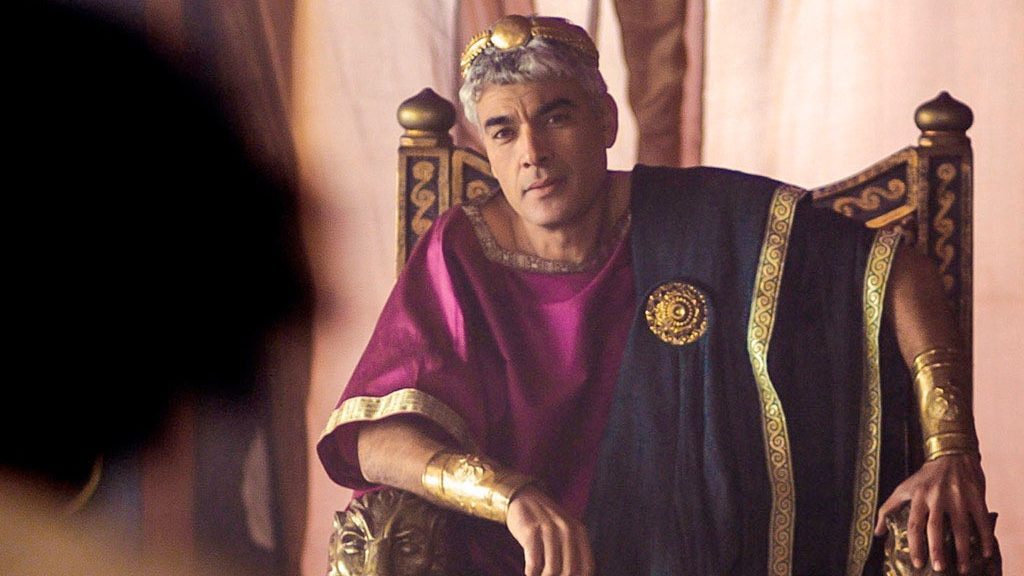
The scene now shifts to the early morning hours where a second meeting of the Sanhedrin takes place to legitimize the trial and Jesus’ guilty verdict. It was illegal to hold a trial at night, so they sort of made it official in the morning light. They also had no authority from the Roman government to carry out capital punishment. Jesus had to be brought before Pilate. “Very early in the morning the leading priests, the elders, and the teachers of religious law—the entire high council—met to discuss their next step. They bound Jesus, led him away, and took him to Pilate, the Roman governor.” (Mk.15:1 nlt)
Pilate had only one concern as Jesus was brought to him by the Jewish rulers, was He asserting Himself to be king. Pilate asked Him, ‘“Are you the king of the Jews?’ Jesus replied, ‘You have said it.’” (Mk.15:2 nlt) The leading priests were continuing to throw accusations of many crimes committed by Jesus. It wasn’t uncommon for multiple charges to be made in a criminal case. Again as with Caiaphas, Pilate was confused why Jesus wouldn’t answer back against those charges. But Jesus didn’t utter a word.
During the Passover celebration it was Pilate’s custom to release a prisoner of the peoples choice. Pilate knew that the religious rulers brought Jesus to him out of envy. This was Pilate’s out, for he knew Jesus was innocent. But the leading priests stirred up the crowd to ask for Barabbas, an insurrectionist and a murderer. When Pilate then asked. ‘“Then what should I do with this man you call the king of the Jews?’ They shouted back, ‘Crucify him!’ ‘Why?’ Pilate demanded. ‘What crime has he committed?’ But the mob roared even louder, ‘Crucify him!’” (Mk.15:12-14 nlt) When Pilate saw he was getting nowhere; he appeased the crowd by releasing Barabbas, the murderer, and handing Jesus over to be crucified.
It is very much like our current day. Crowds can be stirred up to participate in the cruelest acts. Releasing the guilty and punishing the innocent. We live in a world that is corrupted by sin. Its influence is seen and felt every day. The world has a sin problem; we have a sin problem. As unjust as Jesus’ trials were, it was God’s plan of salvation for each one of us who believe in Jesus Christ. And Jesus accepted His Father’s will and remained silent letting the trial come to completion leading to cross where we pick it up next week……….


 Word for the Soul