Bible Studies

SOLA SCRIPTURA (Scripture Alone)

“I am bound by the Scriptures I have quoted and my conscience is captive to the Word of God. I cannot and I will not recant anything, since it is neither right nor safe to go against conscience. May God help me. Amen.” (Luther at Diet of Worms, 1521)

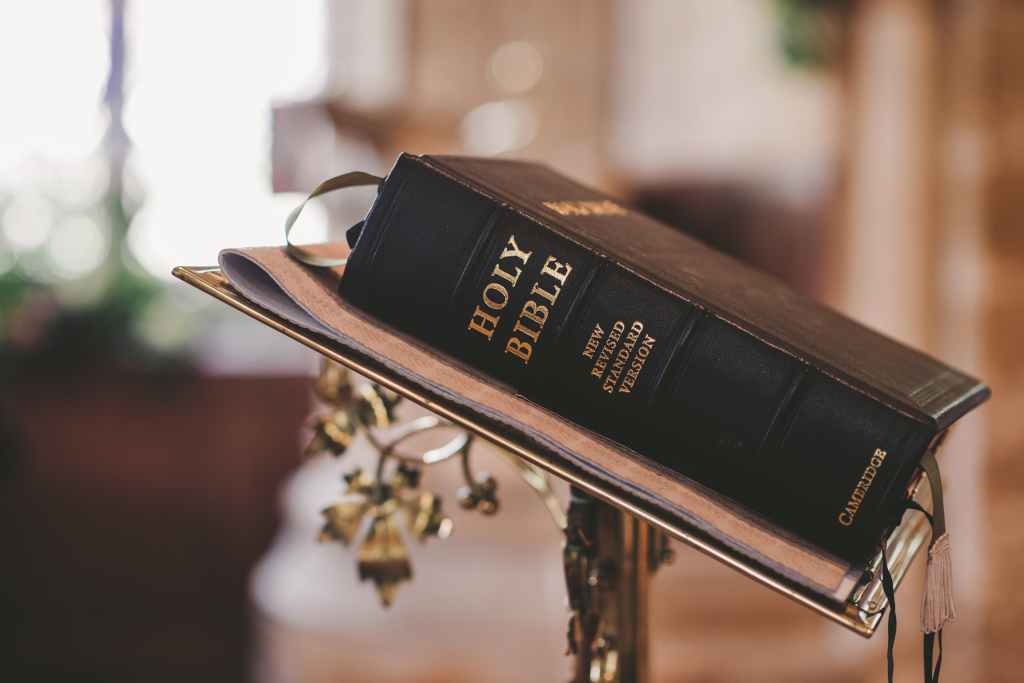
Photo by Pixabay on Pexels.com

Over the next five weeks we will be addressing the ‘Five Solas’ of the Reformation. These are five Latin phrases from the Reformation period of the 16th century. “Sola’ in Latin is the English word ‘only.’ The early reformers recognized a drift away from Scripture in the Catholic Church essential to the teaching of the gospel. The “Five Solas’ represent the very core of the Christian faith. They are as follows, Sola Scriptura: Scripture is the only infallible authority for faith and practice. Solus Christus: Christ in His person and work is the only Savior. Sola gratia: Only the sovereign grace of God accomplishes salvation. Sola fide: Faith is the only instrument by which we are untied to Christ and receive all His benefits. Soli Deo gloria: The purpose of salvation is to give all glory to God alone. We begin with ‘Sola Scriptura.’ Scripture is the only infallible authority for faith and practice.

            The apostle Paul declared in 2 Timothy, “All Scripture is breathed out by God and profitable for teaching, for reproof, for correction, and for training in righteousness, that the man of God may be complete, equipped for every good work.” (2 Tim. 3:16-17 ESV) Since Scripture is breathed out by God, His words spoken to us, it stands to reason that His Word stands. It is the only one that counts. The Bible is the only authority for the church today and always has been. The Bible is verbally and divinely inspired. They are the very words of God. It is the highest authority possible for it comes from God Himself and is the only source of His voice to us today.

            The Bible is sufficient for all we need in the way of Salvation and how we are to live. There are no rules to follow that supersede or add to the teaching of Scripture. Again, ‘Scripture is the only infallible authority for faith and practice.’ Church constitutions and rules of procedures are important but we must be careful not to add or subtract the truth of Scripture.

            The reformers knew Christians often looked for God’s power in external things of the church rather than Scripture itself. It didn’t help that most church goers of the day didn’t have access to the Scriptures. The reformers task was to then restore confidence in the people of the church in the Word of God and with understanding that God’s power and truth was in His Word, and His Word alone.

            The perspicuity, or clarity, of Scripture is affirmed by Scripture itself. God instructed Israel to teach their children His commandments. (Dt. 6:6-9) God gave us His Word for all to understand even the youngest among us. The Holy Spirit also guides us as he illuminates the words of Scripture to us in comprehending the truth of Salvation.

             “Sola scriptura also fueled the translation of the Bible into German, French, English, and other languages, and prompted Bible teaching in the common languages of the day, rather than in Latin. In this way, the good news of Jesus Christ could be read by the ordinary people.” (Evangelical Alliance UK)

Devotionals

Worthless Things

“Turn my eyes from worthless things, and give me life through your word.” Psalm 119:37 NLT

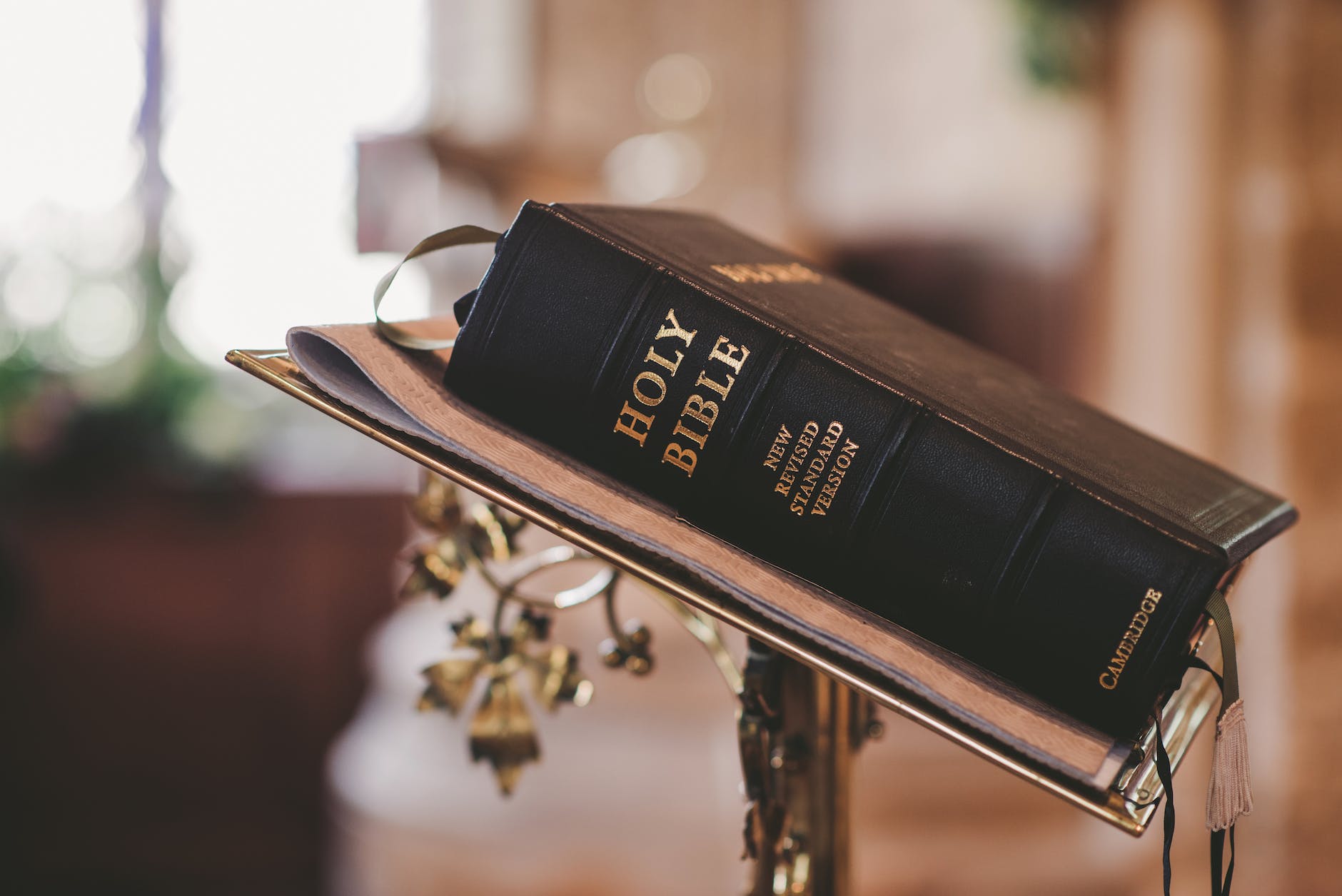
Photo by Jean van der Meulen on Pexels.com

            Something of worth is defined as having a material value, especially in terms of money. Also something deserving of importance or merit is also considered valuable or worthy. Some things of worth range from jewelry, automobiles, real estate, furniture, fine china, and many others pieces of material worth, even money itself. Achievements such as receiving a college degree from a highly respectable university is very valuable when presented in the job market. 

            Worthless things would be the opposite of worthy things. Old rusted cars, run down property, broken china, worn down stained furniture, even the university degree if the holder devalued it by regrettable acts would now be useless. But even worthless things can be restored, just attend an antique automobile show, or visit an antique shop and you will see restoration. Real estate developers can turn unseemly property into luxurious residential areas, and many individuals have restored their reputation with the help of caring organizations.

            The psalmist wrote in Psalm 119:37, “Turn my eyes from worthless things.” In this section of Psalm 119, the psalmist desires to be instructed in God’s laws. He asks God to help him to turn away from worthless things. Taking our definition of worthless things, it would seem quite easy to turn away from those things, unpleasant as they are. But that is not what the psalmist had in mind. He really wanted to turn away from the worthy things. In comparison to God’s Word even the things of worth are worthless. He writes, “…..give me life through your word.”(119:37b) His desire was to look upon things of the greatest value, the Word of God.

            Having the proper perspective on who and what is worthy will go a long way in living our lives according to God’s Word. It will help us grow in our relationship with Him, and we will have a better understanding of what is of value and what is not. May we ask the Lord to turn our eyes from worthless things.

Read Psalm 119:33-40: https://www.biblegateway.com/passage/?search=Psalm%20119%3A33-40&version=NLT

Devotionals

Live Life to the Fullest

“Come, my children, listen to me; I will teach you the fear of the LORD. Whoever of you loves life and desires to see many good days, keep your tongue from evil and your lips from telling lies. Turn from evil and do good; seek peace and pursue it.” Psalm 34:11-14 NIV

Photo by Brett Jordan on Pexels.com

            I haven’t come across many people who do not desire the good things in life. The good things of life may differ between individuals and between cultures, what is good for you may not be good for me and vice versa. But each of us desires to live life to the fullest in our cultural surroundings wherever they may be. Struggling to get the most out of life; good health, financial success, close friends, family, satisfying employment, plenty of leisure time, and other deeming qualities of a good life come up short many times. But does coming up short disqualify us from the good things in life?  Is there anything we can do to prevent missing out on these good things?

            King David gives us a couple of suggestions in helping us live the good life. His advice is based on having the right character qualities. One whose character is free from slander, speaking falsely, participating in shady things, or causing trouble goes a long way in having a good life. David writes, “Whoever of you loves life and desires to see many good days, keep your tongue from evil and your lips from telling lies. Turn from evil and do good; seek peace and pursue it.” (Ps. 34:12-14 NIV)

            We think we are not that bad saying, ‘I don’t tell any white lies or make up stories to hurt someone, and I certainly don’t gossip!’ We also say, ‘I am not an evil person’ and that may be true in comparison with others, but God looks at all sin as evil. And when we say we should all live in peace and love one another, are we truly pursing it as we pursue trying to live our lives to the fullest?

            None of us is able to live life to the fullest on our own. God has given us His Word to show us how to live a fulfilled life by obeying it. And more importantly, God sent His Son to save us and reconcile us to God. Therefore it is impossible to live a totally fulfilled life without Christ. Jesus says, “….. I have come that they may have life, and have it to the full.” (Jn. 10:10b NIV)