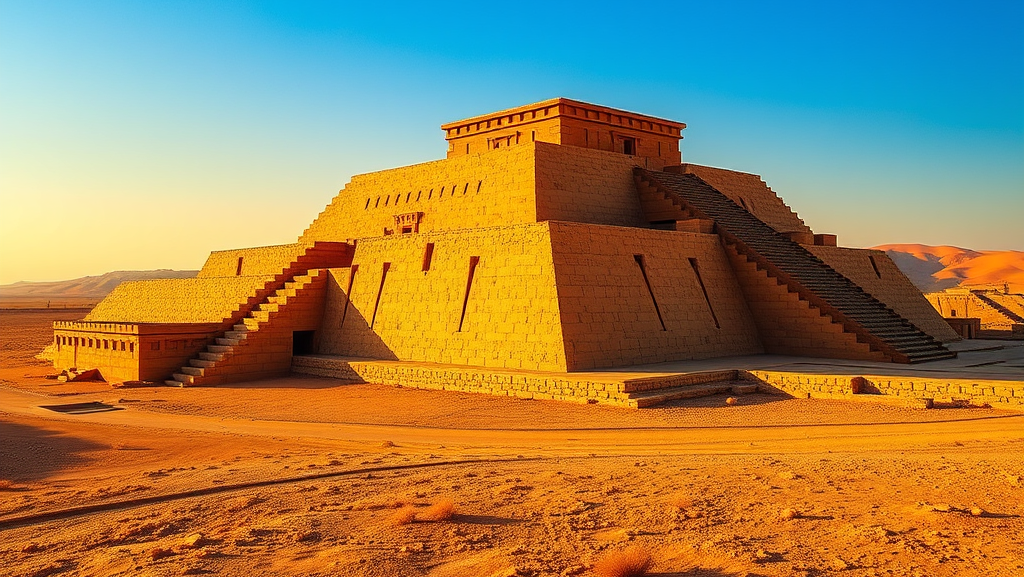
Bible Studies

“The Birth of Ishmael part 1: Impatience Breeds Trouble” – The Story of Abraham

Read: Genesis 16 NLT – The Birth of Ishmael – Now Sarai, – Bible Gateway

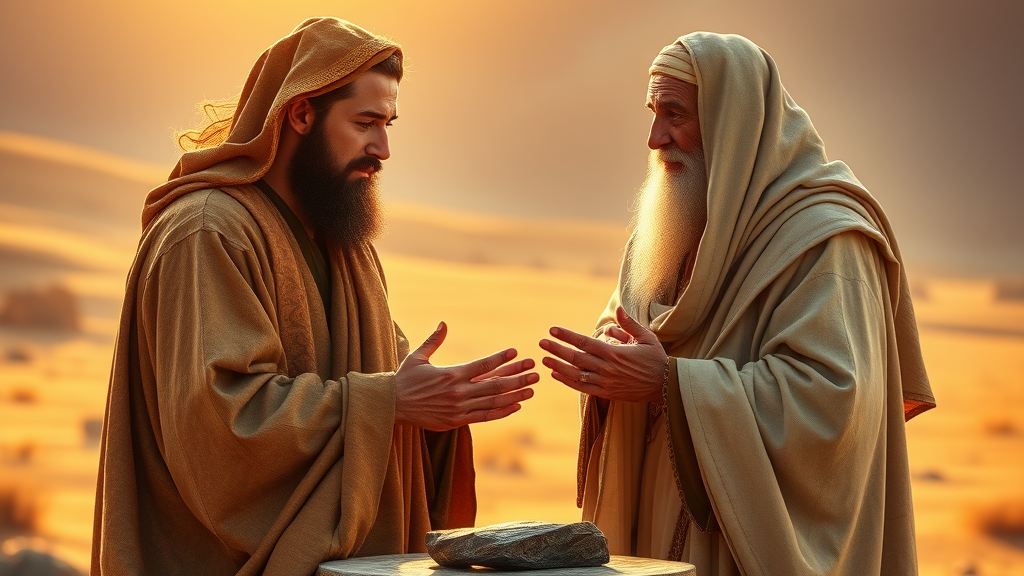
“So Sarai said to Abram, “The LORD has prevented me from having children. Go and sleep with my servant. Perhaps I can have children through her.” And Abram agreed with Sarai’s proposal. So Sarai, Abram’s wife, took Hagar the Egyptian servant and gave her to Abram as a wife.” Genesis 16:2-3 NLT
FreeBibleimages.org

Abram had received a promise from God sealed with a covenant that his descendants would outnumber the stars in the sky. The Lord said a son would be born to him and his wife Sarai in their old age. God also promised Abram that the land where he stood would be his descendants possession. Abram was called to leave his home country for this purpose. The Lord had watch over, protected and led Abram and Sarai since they first journeyed out from Ur and He was not about to leave them on their own now. Abram’s and Sarai’s timetable was causing them to become  impatient, but God works on His schedule. Running ahead of God and taking matters into our own hands is never a good idea and Abram and Sarai will soon find that out.

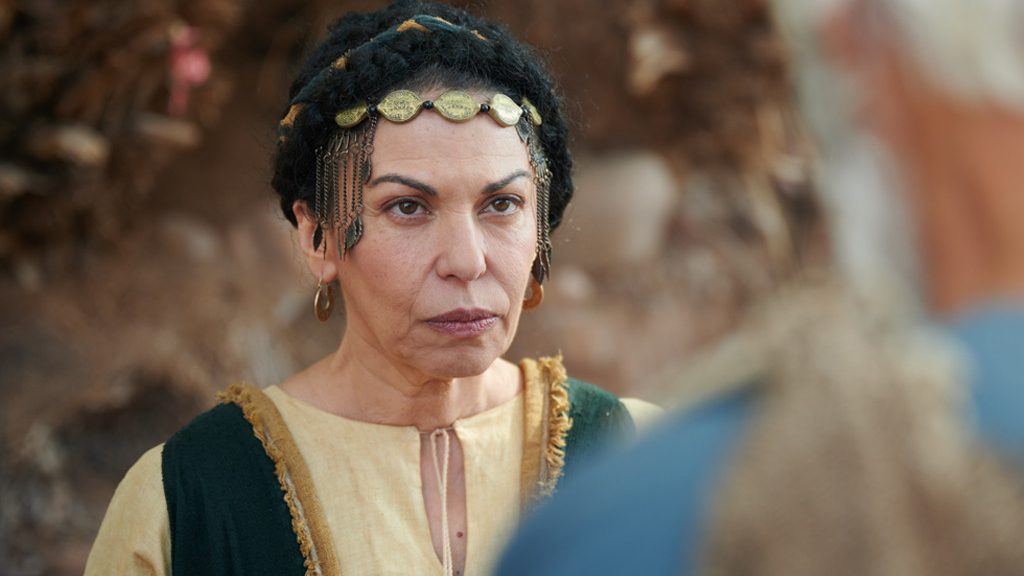
Ten years after God’s call to Abram, Sarai still had not borne a child. We are not sure who was more impatient, Abram or Saria, but perhaps it was Sarai. The Bible says Sarai suggested to her husband to take her servant, Hagar, as a wife or concubine and she could have a child through her. Hagar, an Egyptian, was one of the servants Pharoah gave to Abram when he was told to leave Egypt. Hagar had become Sarai’s personal servant. Another custom in those ancient days, as we saw last week where Abram asked God if his servant Eliezer could be his heir, was a custom that a female servant in the home could a bear child for a couple. Even though this was the custom of the day, it was not God’s design and certainly not for Abram and Sarai.

Abram should have recalled that God said no to his request for his servant to be his heir. There was nothing wrong with Abram asking about Eliezer, but this action he was about to take with Sarai’s servant was definitely wrong. We do not read where Abram and Sarai asked God about this. The Lord would have said no to this request as well. Sometimes in our own lives we do not ask God because we know the answer is no. So, we just move ahead and Abram did just that. Scripture says, “So Sarai, Abram’s wife, took Hagar the Egyptian servant and gave her to Abram as a wife. So Abram had sexual relations with Hagar, and she became pregnant. But when Hagar knew she was pregnant, she began to treat her mistress, Sarai, with contempt.” (Gen.16:3-4 nlt)
FreeBibleimages.org

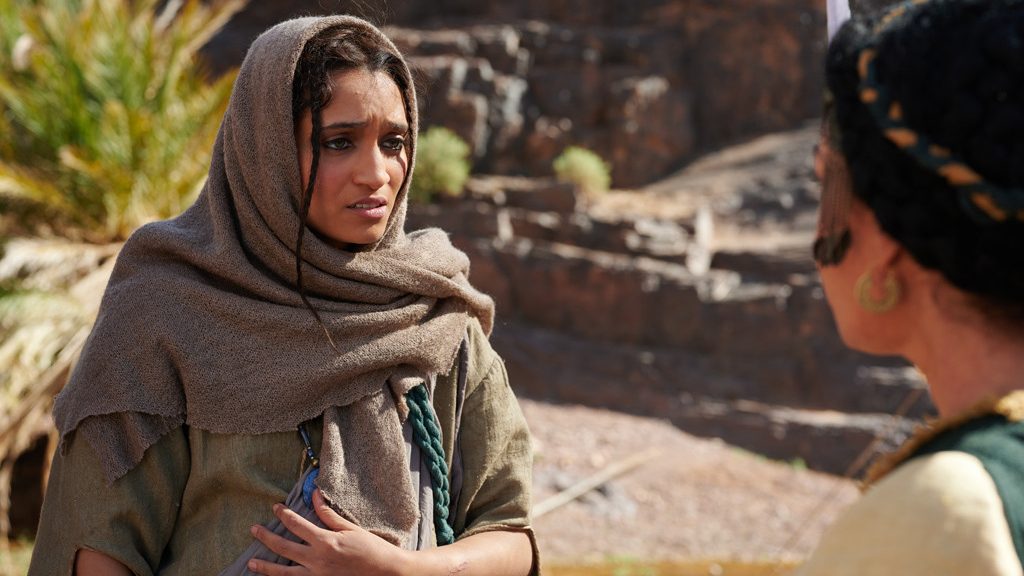
Immediately after Hagar became pregnant things started to fall apart. No doubt Abram sinned by taking Hagar as a wife and having relations with her. He also sinned by running ahead of God and not having faith in the covenant promise God gave him. This great man of faith had failed, and it will now have mass consequences for thousands of years. The first harsh reality was the broken relationship between Sarai and Hagar. Hagar began to despise her mistress. Sentiments of contempt by looking down on Sarai for not being able to become pregnant had become visible, causing problems in the home. Sarai turns to Abram and blames him for the crisis. “Then Sarai said to Abram, ‘This is all your fault! I put my servant into your arms, but now that she is pregnant she treats me with contempt. The LORD will show who’s wrong—you or me!’” (Gen.16:5 nlt)

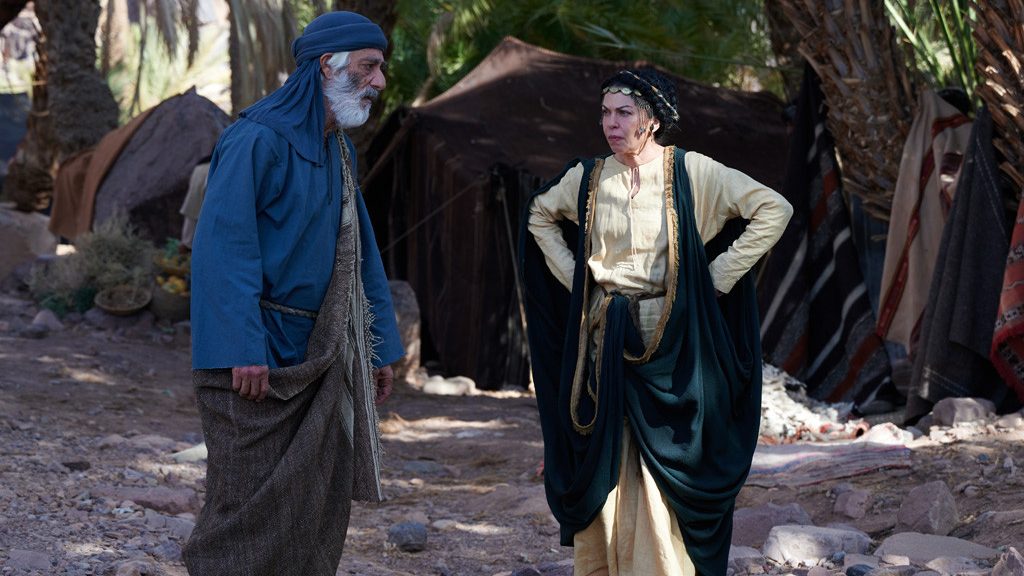
Although Sarai is not innocent in all this, she does have a point. Abram being the spiritual head of the family and God’s servant should have refused his wife’s solution to her barrenness. Abram knew of God’s faithfulness and His ability to do what He had promised but gave into his wife’s wishes from his own impatience. Sarai wanted her husband to fix the problem. But Abram added to the problem by granting Sarai the freedom to oversee it herself by saying, ‘“Look, she is your servant, so deal with her as you see fit.’ Then Sarai treated Hagar so harshly that she finally ran away.” (Gen.16:6 nlt)

It is thought that Hagar was reduced back to her servant status or lower. Her harsh treatment she received could have been extremely hard, heavy burdened continual tasks. The Wycliffe Bible Commentary notes, “Passionate jealousy and bitterness set the two women against each other. And Abram was not much help to either of them. Conditions grew worse by the moment.” We will see how worse they get when we continue next week…….
FreeBibleimages.org
Bible Studies

“A Man of Fairness and Generosity” – The Story of Abraham

Read: Genesis 14:17-24 NLT – Melchizedek Blesses Abram – After Abram – Bible Gateway

“Melchizedek blessed Abram with this blessing: ‘Blessed be Abram by God Most High, Creator of heaven and earth. And blessed be God Most High, who has defeated your enemies for you.’” Genesis 14:19-20 NLT

Abram had won a battle over the four kings from the north who had taken his nephew Lot and his family captive and stolen all his belongings. Lot, as we reviewed last week, was in the wrong place at the wrong time. His desire to live the good life caused him to compromise his values and eventually settled for life in the sin-city of Sodom. The king of Sodom along with the kings of Gomorrah, Admah, Zeboiim, and Zoar, were about to be attacked by the kings of the north, and Lot was a sitting duck. Abram stepped in with his trained men and rescued Lot and the city of Sodom. Afterward, the king of Sodom set out to meet Abram to show him his appreciation.

The liberated  “king of Sodom went out to meet him in the valley of Shaveh (that is, the King’s Valley).” (Gen.14:17 nlt) This valley was one of the several valleys near Jerusalem, named Salem in ancient times. Possibly this could have been the ‘Kidron Valley.’ Abram and the king of Sodom are met by a historical figure, Melchizedek, a priest and king of Salem. “And Melchizedek, the king of Salem and a priest of God Most High, brought Abram some bread and wine.” (Gen.14:18 nlt) Melchizedek’s name means ‘king of righteousness’ or ‘righteous king.’ Being a priest and a king, many biblical scholars identify him as a ‘type of Christ’ figure. David writes in the book of Psalms concerning the coming Messiah, “The LORD said to my Lord, ‘Sit in the place of honor at my right hand until I humble your enemies, making them a footstool under your feet.’ The LORD has taken an oath and will not break his vow: ‘You are a priest forever in the order of Melchizedek.’” (Ps.110:1, 4 nlt)

This priest and king, Melchizedek, brought food for Abram and his men. This was more than bread and wine but signifies a large meal or a banquet in recognition of their victory over their enemies. It was also a symbol of friendship and hospitality. Scripture doesn’t provide us much background about Melchizedek other than he was a worshiper of the true God. His references to God as ‘God most high’ and ‘creator of heaven and earth’ points us in that direction of Melchizedek’s faith and knowledge of the Lord God. This kingly priest did two things, he blessed Abram and he blessed God. “Melchizedek blessed Abram with this blessing: ‘Blessed be Abram by God Most High, Creator of heaven and earth. And blessed be God Most High, who has defeated your enemies for you.’” (Gen.14:19-20 nlt) Melchizedek gives all the credit for Abram’s victory to God. Abram also is aware the victory came from the Lord God. Abram gave a tenth of the spoils to the Lord and his servant Melchizedek in gratitude for Lord’s victory.

The king of Sodom now makes an offer to Abram for his returning the people and goods of his city, Sodom. The king only wants his people back and Abram can keep all the goods. “Abram replied to the king of Sodom, ‘I solemnly swear to the LORD, God Most High, Creator of heaven and earth, that I will not take so much as a single thread or sandal thong from what belongs to you. Otherwise you might say, I am the one who made Abram rich.’” (Gen.14:22-23 nlt) Abram was careful not to allow himself to be obligated to anyone but the Lord. How tempting that must have been to not take advantage of what some might say was certainly deserved. Abram made it an oath not to accept anything. Accepting this offer would have negative results for Abram. People would be able to say that part of Abram’s wealth came from the king of Sodom. The king of Sodom may see it as an opportunity to lord himself over Abram. Abram did not go into this battle for personal gain, but to rescue his family. Accepting the offer would also show a lack of trust in God to supply his needs and finally Abram wanted no part of the king of Sodom and his wicked city.

tim-wildsmith-telGnqCOCnc-unsplash

Abram’s faith in God and his godly character is shown at the end of chapter 14 as he requests to receive only what his men had already eaten and for his allies to share the spoils among themselves. Abram looked out for the men who serve him and for those who aligned with him in this battle. This man of faith was also a man of fairness and generosity.

Next week, the Lord’s covenant promise to Abram…………

Bible Studies

“A Long Look” – The Story of Abraham

Read: Genesis 13:1-13 NLT – Abram and Lot Separate – So Abram left – Bible Gateway

“Lot took a long look at the fertile plains of the Jordan Valley in the direction of Zoar. The whole area was well watered everywhere, like the garden of the LORD or the beautiful land of Egypt.” Genesis 13:10 NLT

This week in Biblical Insights Abram is leaving Egypt with his tail between his legs after being called out by Pharoah for his deception. It was a mistake going down to Egypt in the first place failing to trust God in caring for them during the famine. But he is on his way now traveling north into the Negev on their way to the region of Bethel and Ai. Abram left Egypt a lot more prosperous than when he entered. The Lord had blessed Abram in spite of his sin. Pharoah gave Abram much livestock and servants in addition to what he already had. “So Abram left Egypt and traveled north into the Negev, along with his wife and Lot and all that they owned. (Abram was very rich in livestock, silver, and gold.)” (Gen.13:1-2 nlt)

Abram went back to Bethel and worshiped the Lord at the altar he made at his first visit when entering Canaan. Abram got back to business with God. Realizing God’s mercy and blessings towards him when he failed the Lord, Abram went to the nearest place he had set up an altar and worshiped God.

Lot, Abram’s nephew, was traveling with him. Lot had also become very wealthy with flocks of sheep and goats, herds of cattle, and many servants. Wealth in ancient Palestine was measured in the number of livestock, servants and jewels one possessed. Both Abram and Lot had plenty. This created a problem for the both of them. It’s hard to comprehend how blessings from God could be the cause of a problem. We accept these problems noting it is a good problem to have. A young family have God’s blessings of more children and soon find themselves needing to move into a bigger place. A good problem to have.

Photo by Arina Krasnikova on Pexels.com

Abram and Lot found themselves having ‘a good problem to have.’ The region could not supply the sufficient needs for all of the livestock of both Abram and Lot. The land did not have enough water or pastured land. “So disputes broke out between the herdsmen of Abram and Lot. (At that time Canaanites and Perizzites were also living in the land.)” (Gen.13:7 nlt) It is also noted that rural dwellers were living there as well. On a side note, it should be mentioned besides this problem being caused by God’s blessing both of them, it should be noted that Abram was instructed to leave his family in Ur and go to the place where God would lead him. If Lot was not with him, there would be no problem. Sometimes the smallest miscue in obeying God even with the best of intentions surface later in ways we never thought of. It’s always better to obey God completely, 100%.

Abram knew this issue needed to be resolved. “Finally Abram said to Lot, ‘Let’s not allow this conflict to come between us or our herdsmen. After all, we are close relatives!’” (Gen.13:8 nlt) It wasn’t good for families to be fighting with each other and not a good look for those who were representing the Holy God the creator of all things.

It seems the decision to separate is a wise one and there is no dispute. The decision as to who goes in what direction is now to be decided. Abram, although the elder, shows kindness to Lot in letting him choose first. Whichever direction Lot chooses Abram will go in the opposite direction. Abram was growing in faith and relying on God and not his own decisions. His experience in Egypt had an effect on him. Abram is finding faith in God’s sovereignty and trusting Him. He knows in whatever direction he goes the Lord will be with him and bless him. Not so with Lot. Abram took off his self-centeredness and Lot put his on.

“Lot took a long look at the fertile plains of the Jordan Valley in the direction of Zoar. The whole area was well watered everywhere, like the garden of the LORD or the beautiful land of Egypt.” (Gen.13:10 nlt) Lot took a long look. There is always danger in taking a long look. Some will disagree saying you need to be careful and sure to make a wise decision and that is true. But what captivates you in that first look? Do you ever get past the surface and consider what is underneath? Lot based his decision on what his eyes told him. He saw the green lush vegetation of the fertile fields in the Jordan Valley. There was an irrigation system in place, even in that day, from the Jordan river. Lot knew this was a prize pic. He chose the land towards the east in the Jordan Valley at the edge of the Promised Land. His decision was a wise one in business terms and in a worldly point of view. Lot was more than content with his newfound territory and moved on away from Abram with his possessions, but it would turn out to be a disastrous decision.

Abram settled to the west in the land Canaan and Lot settled around the city of Sodom. Abram walked by faith; Lot walked only by sight. Lot allowed his long look to dictate his future. Abram let his growing faith in God decide his future. Sodom was an evil and sinful city. Lot was putting himself and his family in harm’s way to satisfy his selfish desires. When our selfish desires put us in a bad spot it will have the same effect on those closest to us and not only ourselves. Having Abram’s growing faith will have the opposite effect on each of us. Shortening that long look and putting our faith in God will help us to make the right decisions.

Next week we’ll begin to see some of Lot’s troubles as a result of his long look……

Bible Studies

“Abram’s Deception” – The Story of Abraham

Read: Genesis 12:10-20 NLT – Abram and Sarai in Egypt – At that time – Bible Gateway

“But the LORD sent terrible plagues upon Pharaoh and his household because of Sarai, Abram’s wife. So Pharaoh summoned Abram and accused him sharply. ‘What have you done to me?’ he demanded. ‘Why didn’t you tell me she was your wife?’” Genesis 12:17-18 NLT

Photo by Jordi Orts Segalés on Unsplash

The first two weeks in our story of Abraham we saw Abram, who later became Abraham, as a man of great faith and the father of all who believe. He left all that was familiar to him, his home, friends, and family to go where God called him. This took great faith as we learned last week. Unfortunately Abram paused his journey along the way and settled in Haran for a period of time. Although Abram was called of God, he was not perfect and wasn’t chosen because he was perfect. He eventually moved on after God’s repeated the call to him. Abram made it to the Promised Land and built an altar to the Lord when arriving in Shechem. This week Abram’s frailty leads him through a detour into Egypt.

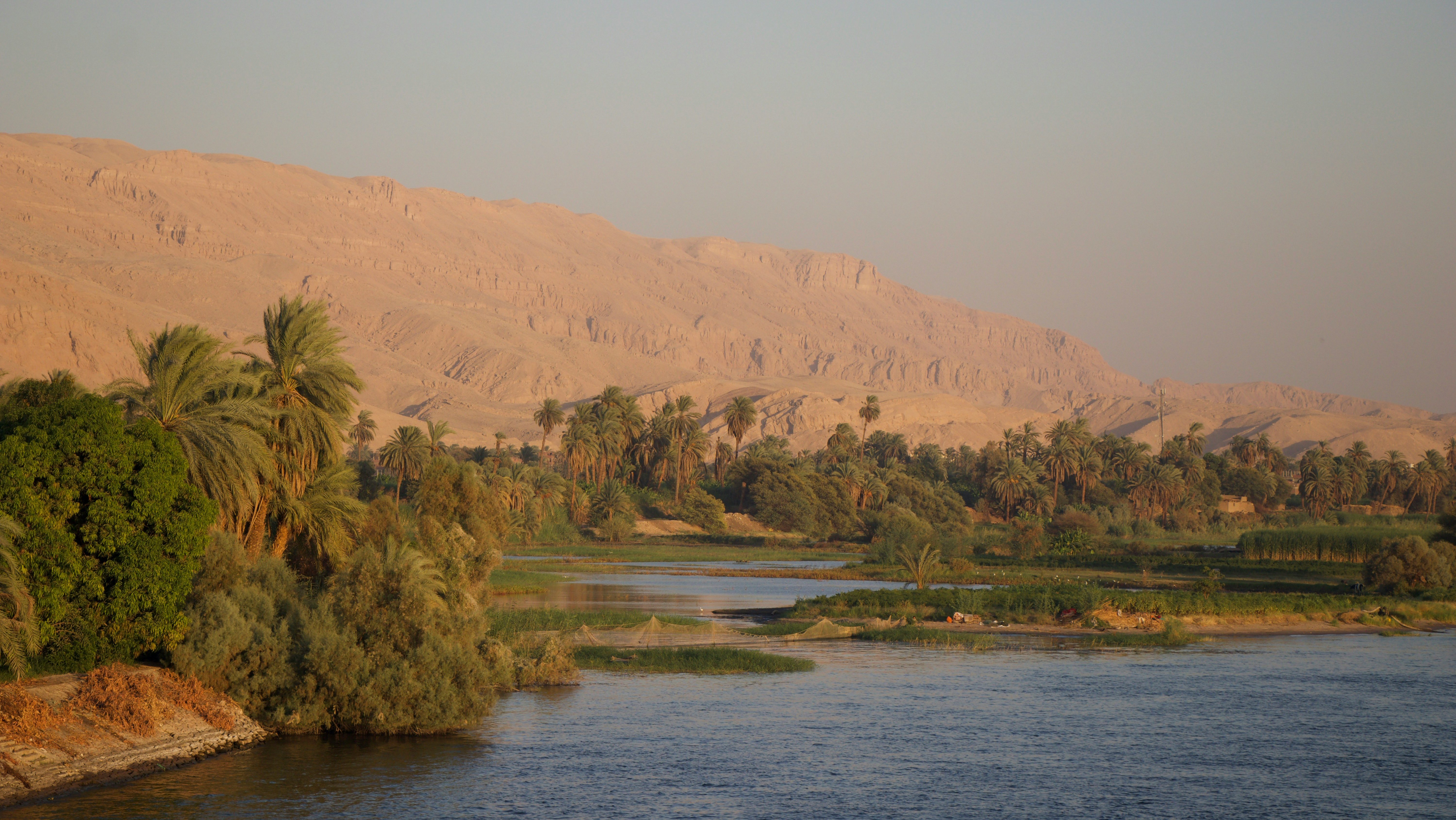
The land of Canaan was suffering from severe famine. The Palestine region in ancient times often experienced famines. Abram decided to journey down to Egypt on his own under no divine guidance from God. Egypt fared well during periods of famine. It had an abundant supply of food available from the water source of the Nile River. Abram took his wife Sarai and all who were with him down into Egypt. He may not have planned to stay long, but it turned out to be long enough to bring shame on God’s chosen vessel.

As Abram nears Egypt he says to Sarai his wife, “Look, you are a very beautiful woman. When the Egyptians see you, they will say, ‘This is his wife. Let’s kill him; then we can have her!’” (Gen.12:11-12 nlt) Abram was right in his assessment that Pharaoh would take beautiful women to be part of his Harem. He was also right in that they would kill him to take his wife. The Egyptians respected marriage but had an unusual way to show it, especially the Pharaohs. Pharaoh would have the wife of the husband killed first before he took her for his Harem. Abram, of course, didn’t want this to happen so he devised a plan, again not under God’s guidance. Abram said to Sarai, “ So please tell them you are my sister. Then they will spare my life and treat me well because of their interest in you.” (Gen.12:13 nlt) Abram’s fear, and really his lack of faith at this point, caused him to deceive the Egyptians into thinking Saria was his sister. It worked, and they took her.

Abram’s scheme was a half-truth, or we could call it a half-lie, and a half-lie is really a lie. Abram’s reasoning was to deceive and that is what he did. He failed to trust in the Lord who was leading him and would protect him. He was thinking more of himself than any thought he had for his wife. But despite Abram’s failure here, the Lord is going to watch out for Sarai and protect her. “And sure enough, when Abram arrived in Egypt, everyone noticed Sarai’s beauty. When the palace officials saw her, they sang her praises to Pharaoh, their king, and Sarai was taken into his palace.” (Gen.12:14-15 nlt)

The irony of this story is that Abram is rewarded by Pharoah for taking his sister. “Then Pharaoh gave Abram many gifts because of her—sheep, goats, cattle, male and female donkeys, male and female servants, and camels.” (Gen.12:16 nlt) Abram was right, Pharaoh did treat him well. Having livestock and servants were a indication of wealth in those days, and Abram was paid handsomely.

But as we noted, the Lord protected Sarai. He sent plagues upon Pharoah and his household. Scripture does not tell us the nature of these plagues, but they were severe enough for Pharoah to summon Abram. Some commentators speculate that Pharoah’s illness kept him from defiling Sarai. We do know from Scripture that no mention is given of Sarai being intimate with Pharaoh. We also know from history that a four-month purification process was in place for new brides before they were received into Pharoah’s Harem. God’s hand was at work in protecting Sarai.

Pharoah sharply accused Abram of deception. He came to know Sarai was his wife and these plagues were the proof of it. Pharoah ordered Abram to get out of Egypt and even had his men escort him out to make sure he left. Abram was exposed as a liar. The Egyptians with their many faults were still a society that valued truthfulness. This wasn’t a good look for Abram who was called by God. Abram was kicked out of Egypt in humiliation before the Egyptians and those traveling with him who knew of his call from the Lord. The Wycliffe Bible Commentary notes, “Abram’s behavior was not worthy of the majestic soul of Jehovah’s special ambassador to the nations. He would need to grow; he would need to go back to Bethel.”

Abram will grow and God will still use him. God knew of Abram’s failures before He call him out of Ur and into the Promised Land. God knows of our failures even before we do and yet He calls us just the same. The Lord will never give up on us despite our failures. We may have a rough go of it when we decide to go our own way, but the Lord will put us back on track as we trust Him and allow Him to lead us in every situation.

Next week Abram and his nephew Lot have a decision to make. Until next week trust the Lord completely even in a famine.

Bible Studies

“The Call of Abram” – The Story of Abraham

Read: Genesis 11:26-12:9 NLT – After Terah was 70 years old, he became – Bible Gateway

“The LORD had said to Abram, ‘Leave your native country, your relatives, and your father’s family, and go to the land that I will show you.’” Genesis 12:1 NLT

Our story of Abraham begins with God calling him as a pagan and probably a worshiper of the moon-god ‘sin’ His name at this point is Abram and is living in Ur of the Chaldeans, a prosperous commercial city of early the Sumerian kingdom in Mesopotamia, modern day Iraq. We find Abraham’s family and his ancestors in Genesis chapter 11. Abram, whose name means ‘exalted father’ is a descendant in the line of Shem one of Noah’s sons after the flood. His father’s name is Terah meaning ‘delay’ which is significant. Abram had two brothers, Nahor and Haran who had died. Abram adopted his nephew Lot after Haran died. “Abram and Nahor both married. The name of Abram’s wife was Sarai, and the name of Nahor’s wife was Milcah. Milcah and her sister Iscah were daughters of Nahor’s brother Haran.” (Gen.11:29 nlt) Abram’s wife was his half-sister and Nahor’s wife was his brother Haran’s daughter. Prohibition against such marriages were unknown in patriarchal times. Later Mosaic law did not permit such marriages.

“One day Terah took his son Abram, his daughter-in-law Sarai (his son Abram’s wife), and his grandson Lot (his son Haran’s child) and moved away from Ur of the Chaldeans. He was headed for the land of Canaan, but they stopped at Haran and settled there.” (Gen.11:31 nlt) This is Abram on the move obeying God’s call. It sounds as if Terah made the call to move on, but it was God speaking to Abram. The call would be repeated after an unadvised stay in Haran until Terah died. The book of Acts confirms Abram’s original call was in Ur. Steven in speaking to the Jewish council said, “Brothers and fathers, listen to me. Our glorious God appeared to our ancestor Abraham in Mesopotamia before he settled in Haran. God told him, ‘Leave your native land and your relatives, and come into the land that I will show you. So, Abraham left the land of the Chaldeans and lived in Haran until his father died.’” (Acts 7:2-4 nlt) We don’t know why there was a stay in Haran. Some of the reasons for the stay may have been due to Terah’s age. The city of Haran was also a thriving city and also worshiped the moon-god, perhaps Terah felt at home there. An important note to make, Abram was not told to bring the family along, but to “Leave your native country, your relatives, and your father’s family, and go to the land that I will show you.” (Gen.12:1 nlt) We are left with not knowing why Abram stopped and stayed in Haran for he was there for a considerable amount of time. He left Haran with “all his wealth—his livestock and all the people he had taken into his household at Haran.” (Gen.12:5 nlt) Abram is now on his way with his wife, Sarai, and his nephew Lot to the land God has called him.

Abram had great faith that God would fulfil his promises to him. He left his homeland and family twice giving up his familiar way of life. Bishop Ryle notes, “He was to ‘renounce certainties of the past’ ‘face uncertainties of the future’ look for and follow the direction of Jehovah’s will.’” The promises God made to Abraham were seven-fold, 1. ‘I will make you a great nation’ 2. ‘I will bless you’ 3. ‘I will make your name great’ 4. ‘You shall be a blessing’ 5. ‘I will bless those who bless you’ 6. I will curse those who curse you 7. ‘in you all the families of the earth will be blessed’ Abram’s faith started with the very first promise. God promised to make him a great nation. Abram was 75 years old when God spoke this promise to him and Sarai was barren and not much younger. Relating that to us today, can we find it within ourselves to have the same faith? It might be a little hard. But these stories in scripture are put in there for our benefit to find encouragement and to learn from them when and where we live.

Abraham has certainly become famous, he has been greatly blessed by God, Israel has become a great nation, Abraham had been a blessing to others, God has blessed those who bless Israel and the Jewish people and continues to do so until this day. One of the reasons I believe nations are blessed today is they are supportive of the nation Israel. And as we noted last week all the families of the earth will be blessed through Abraham for Jesus, the Messiah, came through the line of Abraham providing salvation to all who accept Him.

Abram’s first stop when entering Canaan was Shechem, a major settlement at the crossroads of two main commercial highways, 40 miles north of Jerusalem. He came into the land God has promised and the Lord appeared to him again. “Then the LORD appeared to Abram and said, ‘I will give this land to your descendants.’ And Abram built an altar there and dedicated it to the LORD, who had appeared to him.” (Gen.12:7 nlt) This is the first of several altars Abram built along the way when encountering a spiritual experience. He knew the land of Canaan belonged to the Lord and he consecrated that Promised Land to God. Abram then traveled south and camped near Bethel where he built another altar and worshiped the Lord God. Abram was no longer a moon-god worshiper. By setting up camp he also declared permanent residence though it was only a tent and wouldn’t be realized for many years. Here is another example of his great faith.

We close this week with Abram continuing to move south pulling up stakes and heading toward the Negev in southern Palestine southwest of the Dead Sea. Next week Abram is forced to go to Egypt as a result of a famine. Even when God is leading us things don’t always go smoothly. How does Abram handle it? Well, we will see this man of faith is just like us.

Until next week………