
“Work hard to show the results of your salvation, obeying God with deep reverence and fear. For God is working in you, giving you the desire and the power to do what pleases him.” Philippians 2:12-13 NLT
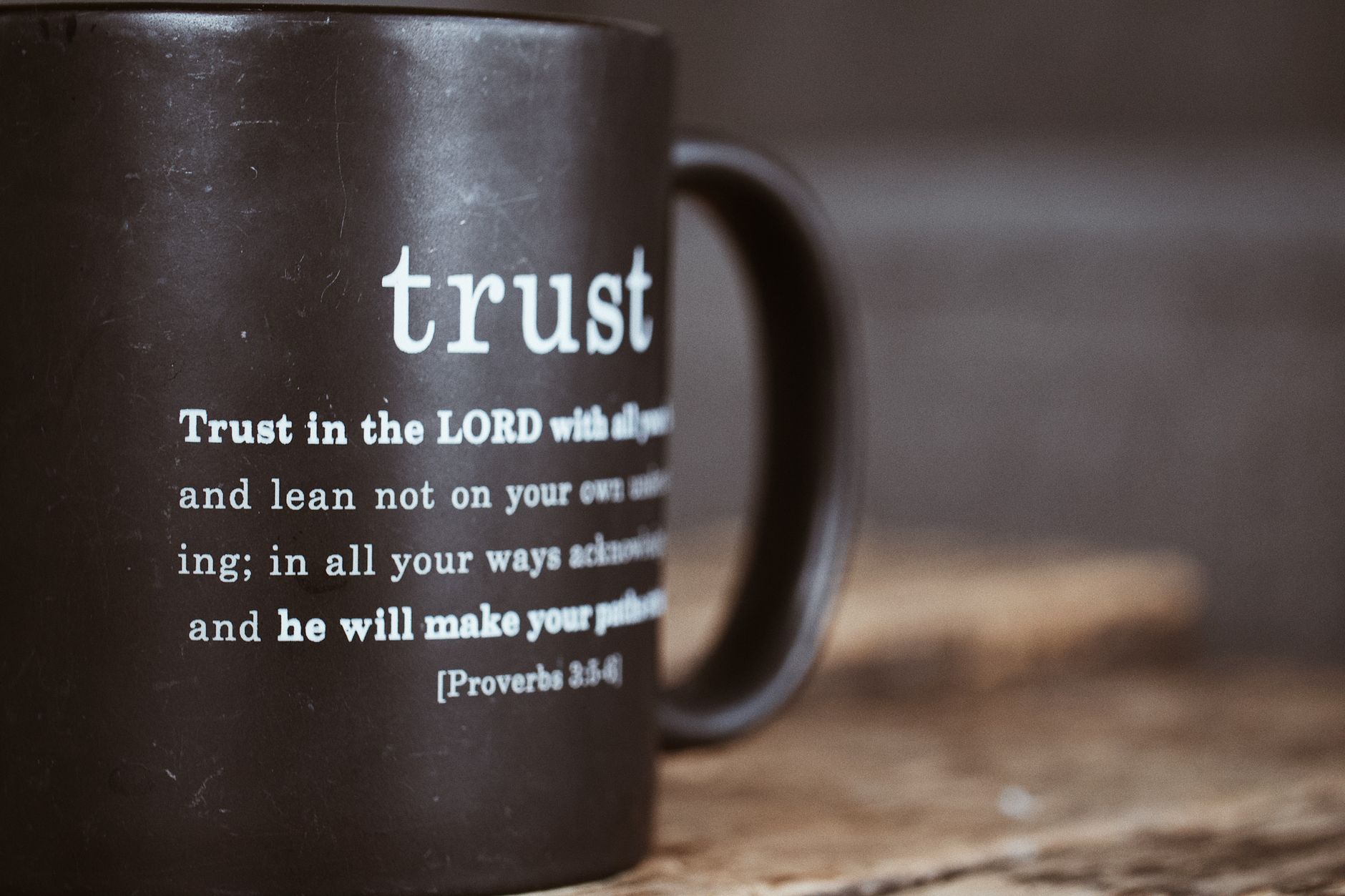
The term ‘trust the process’ has been used over the last decade to encourage people that a positive outcome is achievable by patiently following certain steps. It has been used politically to bring about change, companies and organizations use it to build a better financial future, and professional sports teams have adapted it to encourage their fan base that better days are ahead. The Philadelphia 76er’s, of the NBA, first coined the phrase in 2013. A strategy was introduced that over time the fans would be enjoying the benefits of having to ‘trust the process.’ Unfortunately it hadn’t worked out as planned. However the last five years, expect for the 2024-25 season, have seen much improvement and there are high hopes this year with the addition of longtime veteran Lebron James.
We live in a world that is outcome oriented. Goals are set and we are measured by the success or failure of achieving the sought-after outcome. But the increasing advancement of AI technology is beginning to throw away ‘the baby with the bath water.’ The strategy is now how can we achieve the fastest and most efficient ways to meet our end goals? There is nothing wrong with that except most of the time it takes away the human element of wisdom and discernment given to us by God.
As Christians we can make effective use of AI in advancing the gospel, but it is vital to also use the gifts God has given us. AI is outcome driven and uses data compiled from statistics, frequency, patterns, and then with speed comes to its conclusion. No human element involved. Christianity is not about outcomes in this life but the outcome of eternal life. Christianity in this life is process. No, it is not works driven but it is working hard, obeying God, and allowing Him to give us the desire to do what pleases Him. Yes, it is a process. So, let us ‘trust the process.’


