
Read: Mark 11:20-33 NLT – The next morning as they passed by the – Bible Gateway
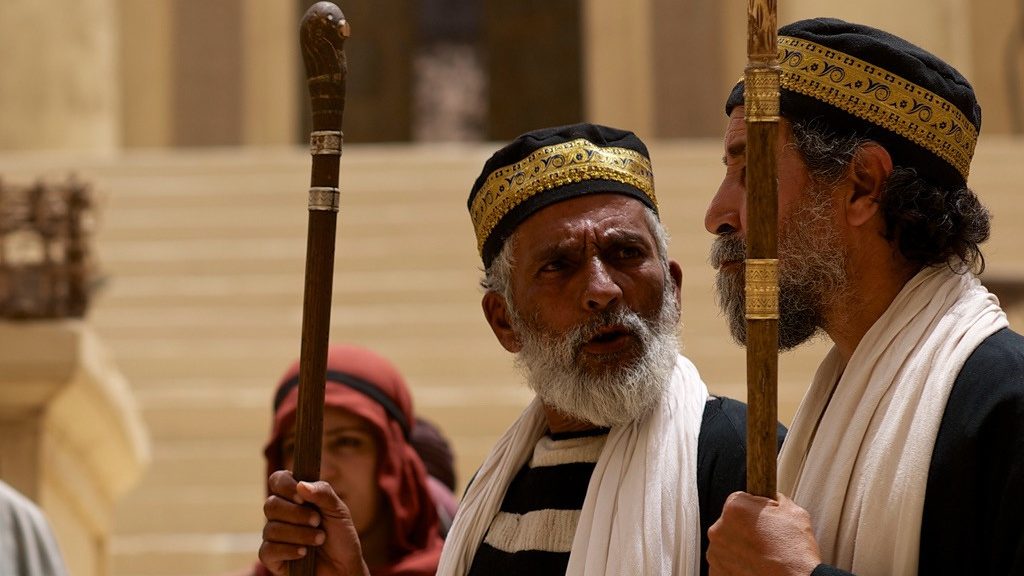
“As Jesus was walking through the Temple area, the leading priests, the teachers of religious law, and the elders came up to him. They demanded, ‘By what authority are you doing all these things? Who gave you the right to do them?’” Mark 11:27-28 NLT
Jesus’ final week (Passion Week) started with a huge celebration of His arrival. The people in Jerusalem welcomed the one they assumed was going to overthrow the Roman government and free them of heavy oppression. Much to the displeasure of the religious rulers, who saw Jesus as a threat to their power, the people marveled at His teaching and were eager to hear more. The welcoming attitude would start to fade by the end of week with the people, but not so with rulers, they were against Him from the minute He rode into town. After Jesus cleared the Temple, as we read last week, the rulers were livid and would question His authority to do so.

Last week in our study we saw Jesus curse a fig tree on their way into Jerusalem on Monday morning. Being full of leaves the tree appeared to have figs, but it gave a false impression, it did not have any. “The next morning as they passed by the fig tree he had cursed, the disciples noticed it had withered from the roots up.” (Mk.11:20 nlt) Peter recalling Jesus cursing the tree pointed out the tree had died. It had withered from the roots up which meant total destruction. The tree would never be able to produce fruit again. Jesus replied, ‘have faith in God.’ He would use this illustration of the dying fig tree to teach about having faith in God.
Jesus said, “I tell you the truth, you can say to this mountain, ‘May you be lifted up and thrown into the sea,’ and it will happen. But you must really believe it will happen and have no doubt in your heart. I tell you, you can pray for anything, and if you believe that you’ve received it, it will be yours.” (Mk.11:23-24 nlt) It sounds like Jesus is saying as long as we believe it, we can have anything we ask for in prayer. But is this what He is saying? Before we get too excited, I think not. That is not what He is teaching. Jesus liked to use visual illustrations, and since He was at the Mount of Olives with the Dead Sea at a distance in view this example fits. But what was Jesus saying? Jewish literature of that day used the phrase, ‘rooter up of mountains,’ which referred to great Rabbis and spiritual leaders who could solve difficult problems. It was a common metaphor. Jesus Himself never rooted up any physical mountains despite the continual request of the Jewish rulers for Him to perform some supernatural miracle. Jesus’ point is as we believe and have faith in God and in His power we will see His mighty powers at work in us. There is nothing God can’t do and won’t do for us if it is in His will and purpose for us.
Verse 25 of today’s text is often misunderstood. “But when you are praying, first forgive anyone you are holding a grudge against, so that your Father in heaven will forgive your sins, too.” (Mk.11:25 nlt) The first thing to observe is Jesus is talking to His disciples and not those who do not believe in Him. If we fail to forgive, holding resentment in our hearts towards someone, our relationship with the Lord is also fractured. Christians are to have a forgiving attitude towards others, even those who have sinned against us. This forgiveness restores fellowship with our brothers and sisters in Christ and with our Lord. It’s impossible to pray effectively if we are holding something against someone. James 5:16 says, “Therefore confess your sins to each other and pray for each other so that you may be healed. The prayer of a righteous person is powerful and effective.” (niv)

Jesus and His disciples arrive in Jerusalem on this Tuesday morning and make their way to the Temple. As soon as Jesus enters the Temple He is surrounded and questioned by the religious rulers. They were all there, the chief priests, scribes, and the elders. Most likely Caiaphas, Annas, and the captain of the Temple were there as well. They questioned Jesus as to His authority in throwing the businesspeople and the money changers out of the Temple the day before among other things He was doing. It was said in Jewish tradition the Temple could only be cleared out and cleansed by certain people, the Sanhedrin, a prophet, or the Messiah. But their main argument was that Jesus disrupted their business in the Temple.
Jesus asked them a question, “Did John’s authority to baptize come from heaven, or was it merely human? Answer me!” (Mk.11:30 nlt) Jesus threw them what we would call today a curve ball. They were in a tough spot. Heaven was a common Jewish term for God. If they said heaven (God), they would admitting what John the Baptist had said about Jesus was true. This would prove Jesus’ authority and that He was the Messiah. If they said John’s authority was only his own, the people would be in an uproar for many believed John to be a prophet. They took the easy way out and didn’t answer. “So they finally replied, ‘We don’t know.’ And Jesus responded, ‘Then I won’t tell you by what authority I do these things.’” (Mk.11:33 nlt)
The religious rulers will not give up as we will see. Jesus was totally messing up their system of operation and they wanted Him disposed of. They will eventually succeed by the end of the week enticing the crowd to join them. But the most astonishing thing about this is it was God’s plan from the beginning for a perfect sacrifice to be made on our behalf. “For God so loved the world, that he gave his only begotten Son, that whosoever believeth in him should not perish, but have everlasting life.” (Jn.3:16 kjv) Until next week………..

 Word for the Soul