“The light shines in the darkness, and the darkness can never extinguish it.” John 1:5 NLT
The winter solstice arrived here in the northern hemisphere this past weekend on Saturday, December 21, at 4:20 AM EST. It is the day with the shortest amount of daylight. For those who dread shorter daylight hours and the winter season, there is good news, from this day forward the days will be getting longer. The winter solstice has been celebrated for centuries in various forms influenced by pagan festivals.
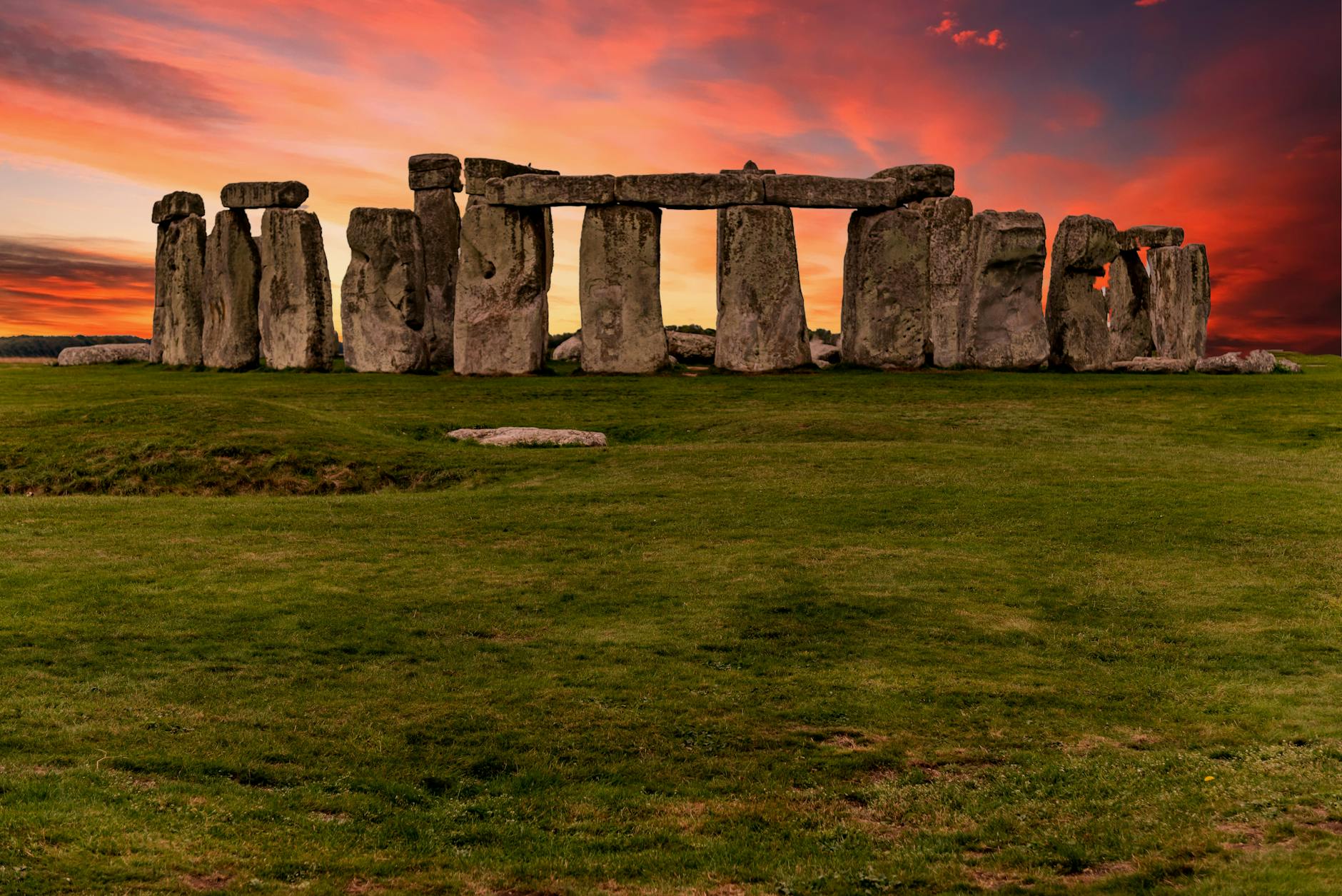
The three most famous are Saturnalia in ancient Rome, the Norse Yule traditions from Scandinavia from where we get our ‘yule log,’ and the celebrations of the Druids. Winter solstice celebrations are still held all over the world. Some follow the early pagan festivals, and others adapted from within their various cultures. Perhaps the most notable today is the thousands of visitors who will make their way to Stonehenge in Wiltshire, England, just to take in what they believe it to be. All these festivals have one thing in common, the darkest day giving way to rising light in the future days.
Just a side note; it is true that some of our Christmas traditions were picked up from some of these pagan festivals, such as the ‘yule log,’ since Christmas was first recognized on December 25, 336. The truth is, no one can be certain what time of the year Christ was born, most likely it wasn’t December 25th. The good news is, we know He came to earth being born of a virgin in Bethlehem.
It may not be a bad thing that Christmas is celebrated around the winter solstice. The world is anticipating the coming light to end their darkest days. What greater light is there for the world than the light of Jesus Christ and the hope of salvation for those who believe in Him. The amount of Christmas lights displayed around the world during the season adds to that hope. We do not know if Christ was born around the winter solstice, but it is fitting we celebrate His birth by shining His light in winter for all the world to see.

 Word for the Soul