“The fire must be kept burning on the altar continuously; it must not go out.” Leviticus 6:13 NIV
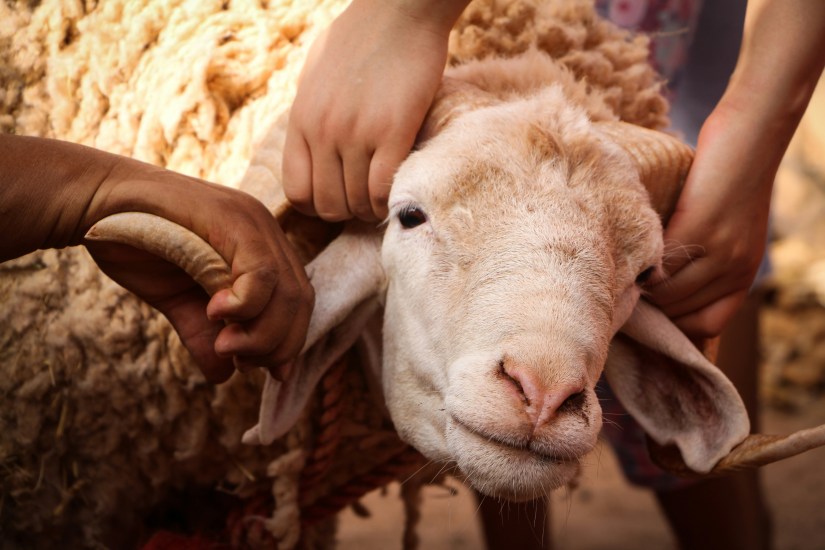
The third book of the Law of Moses is the Old Testament book of Leviticus. Its theme is God’s holiness, and God’s will for Israel’s holiness. God’s teaching to Israel in Leviticus is how to approach their holy God in worship and in the sacrifices required of them, especially those concerning their sin. Much emphasis is placed on the priests in establishing this reverent and holy approach to God. All animals sacrificed on the altar had to be perfect without defect. “In this way the priest will make atonement for them for the sin they have committed, and they will be forgiven.” (Lev.4:35niv)
The Lord gave Moses detailed instructions of all the sacrifices the priests were going to perform. The most significant command was that the fire on the altar was to be continuous. “The fire on the altar must be kept burning; it must not go out. Every morning the priest is to add firewood and arrange the burnt offering on the fire and burn the fat of the fellowship offerings on it.” (Lev. 6:12niv) The people of Israel were assured of God’s readiness to always forgive their sin at any time of the day or night.
The same assurance has been granted us today. God is always there waiting for us to come before Him with our confession. “If we confess our sins, he is faithful and just and will forgive us our sins and purify us from all unrighteousness.” (1 Jn.1:9niv) No need to bring a perfect animal to an altar for sacrifice every time we sin. A perfect lamb was sacrificed on the cross at Calvary to take away our sin. Jesus, the lamb of God paid the penalty for our sin ‘once for all.’ But we still sin and for that there is the perpetual fire of God’s readiness to forgive.

 Word for the Soul