
Read: Mark 2:18-28 NLT – A Discussion about Fasting – Once when – Bible Gateway
“Once when John’s disciples and the Pharisees were fasting, some people came to Jesus and asked, ‘Why don’t your disciples fast like John’s disciples and the Pharisees do?’” Mark 2:18 NLT

In this week’s Biblical Insights, we sit back and listen to the first two of many discussions Jesus has with the Pharisees, other religious rulers, and the people of Israel in the book of Mark. Jesus’ discussions along with His teaching is the core of the gospel of Mark. His favorite name for Himself is the ‘Son of Man.’ Jesus corrects misunderstandings and outright misinformation leveled against Him by the religious rulers, and He answers all questions presented to Him. He confirms His deity, the future coming kingdom, and that He is the way of salvation and the only way to the Father.
After the dinner party Levi had for Jesus in his home, some people came to Jesus with a question concerning fasting. “Why don’t your disciples fast like John’s disciples and the Pharisees do?” (Mk.2:18 nlt) Now, these two groups couldn’t be more apart on religious matters, but the people’s concern was legitimate. John the Baptist’s disciples probably were fasting as an expression of the repentance John preached. John was also in prison at this time, so their fasting could have been in mourning for him. The Pharisees, on the other hand, fasted twice a week as a religious ritual. Fasting was a sign of contrition and penitence as far back as the days of the Judges but had become a mere outward expression. The only fasting that was required by Mosaic law was on the Day of Atonement. The Jewish people found it odd that Jesus’ disciples did not fast as other religious people did, so they asked the question.
Jesus takes this opportunity to hint of His mission here on earth. He compares Himself to a bridegroom and His disciples as guests in a marriage celebration. A marriage was a joyous occasion, no time for mourning, why would they fast. But there will come a day when Jesus leaves them, and then they will fast. It will be appropriate at that time.
Expanding on the scope of His mission, Jesus uses two illustrations to explain something new is coming. Jesus’ new gospel of repentance and forgiveness of sin cannot relate to the old traditional rituals. “Besides, who would patch old clothing with new cloth? For the new patch would shrink and rip away from the old cloth, leaving an even bigger tear than before. And no one puts new wine into old wineskins. For the wine would burst the wineskins, and the wine and the skins would both be lost. New wine calls for new wineskins.” (Mk.2:21-22 nlt)
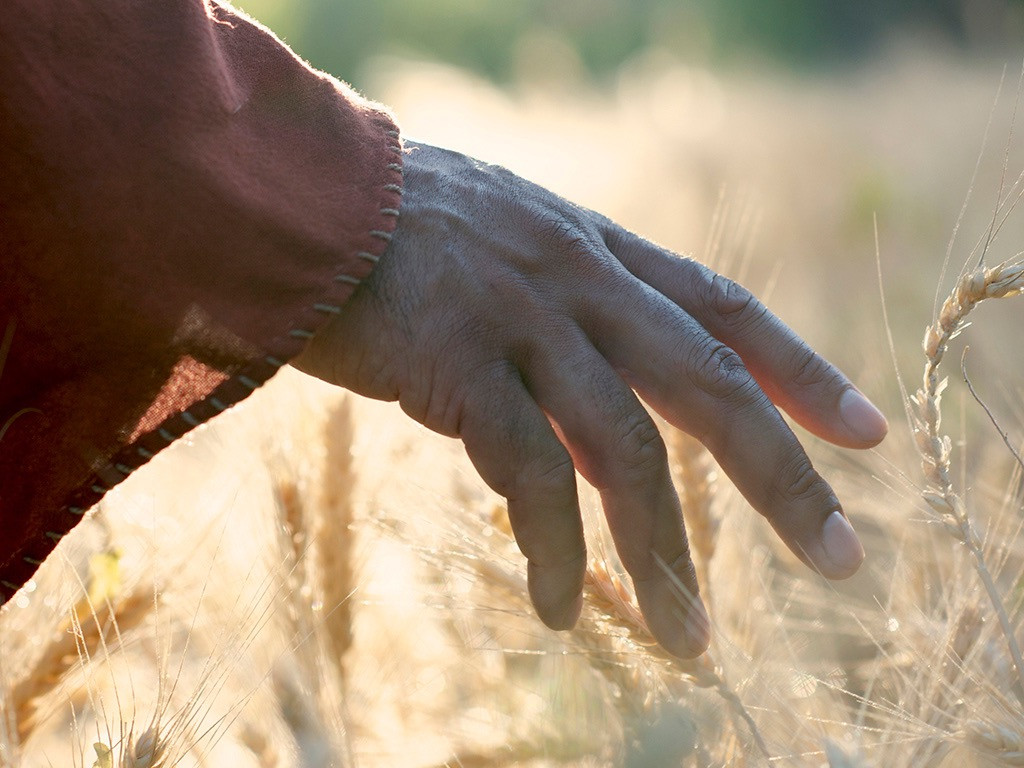
The Pharisees prompt the second of Jesus’ discussions this week. They observe Jesus’ disciples picking heads of grain and eating them as they were traveling along the road next to the grainfields. What upset them was this occurred on the Sabbath day. They claimed Jesus’ disciples were breaking the Sabbath by working harvesting wheat on the Sabbath day. As ridiculous as that sounds, that is how far they stretched the law to conform to their new rules and regulations. Some Christian leaders today are guilty of adding do’s and don’ts above what God has stated in His Word. Just a note of caution to be sure we are biblically sound.
The Old Testament book of Deuteronomy says, “And when you enter your neighbor’s field of grain, you may pluck the heads of grain with your hand, but you must not harvest it with a sickle.” (Dt.23:25 nlt) The Pharisees should have been familiar with that scripture, but their concern is it was the Sabbath day. Jesus gives them the example of David and his men, what they did when exhausted from hunger. “He went into the house of God (during the days when Abiathar was high priest) and broke the law by eating the sacred loaves of bread that only the priests are allowed to eat. He also gave some to his companions.” (Mk.2:26 nlt) Jesus was illustrating they may have done what was forbidden, but it is also lawful to do good and save a life on the Sabbath. He emphasized the true spirit of the Sabbath is intended for man restoration; spiritual, mental, and physical. (Mk.2:27)
Jesus again confirms His Deity in His discussion with the Pharisees when He claimed He is Lord of Sabbath. He is greater than the Sabbath and therefore has the authority to reject the Pharisees rules and regulations concerning the Sabbath day. Jesus will have continual run ins with these religious rulers as we will see throughout the book of Mark, and He will confront them with who He is and His mission why He is here. Jesus said, “The time promised by God has come at last! The Kingdom of God is near! Repent of your sins and believe the Good News!” (Mk.1:15 nlt)

 Word for the Soul