Read: Mark 12:28-44 NLT – The Most Important Commandment – One of – Bible Gateway
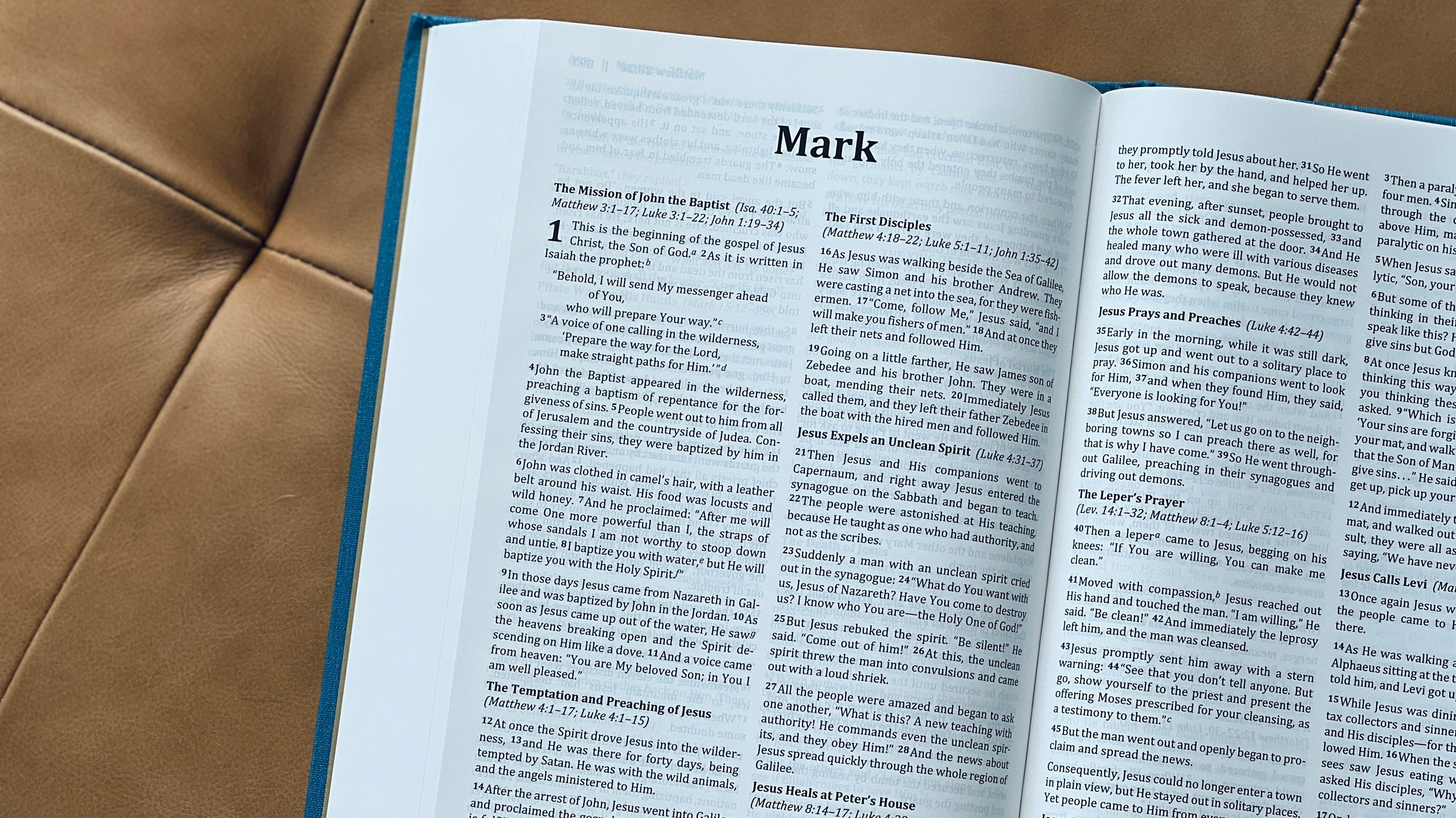
We are coming to the end of chapter 12 of Mark this week in Biblical Insights. It is still Tuesday of Passion week, and Jesus is getting questions from the Jewish rulers as the curious crowds look on. Jesus will have an opportunity to address a certain teacher, the people following Him, and His disciples with His teaching.
One teacher of the law was standing by and heard Jesus answer the Sadducees’ ridiculous question concerning a woman who was married seven times. They wanted to know whose wife she will be in the resurrection, when the Sadducees didn’t even believe in the resurrection. (Mk.12:18-27) This teacher was impressed with Jesus’ answer and decided to ask his own question.
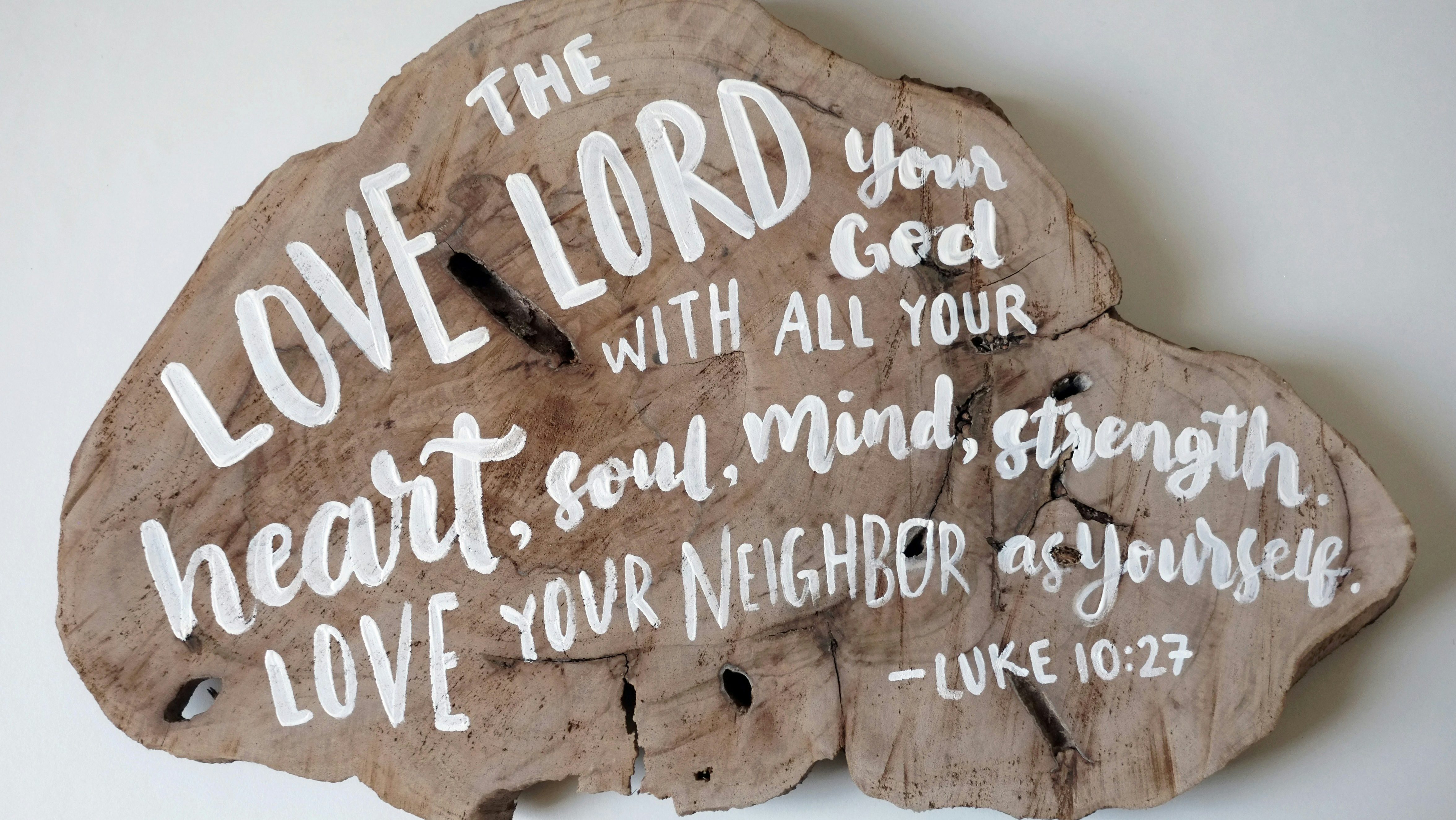
The question he asked was, ‘Of all the commandments, which is the most important.’ (Mk.12:28 nlt) Jewish rabbis had a count of 613 commandments in the book of the law. They distinguished them between heavy and light. The problem was they couldn’t all agree which ones were ‘heavy’ (more binding) and which ones were ‘light.’ The Jewish teacher went right to the top commandment and asked what was the greatest of them all. “Jesus replied, ‘The most important commandment is this: Listen, O Israel! The LORD our God is the one and only LORD. And you must love the LORD your God with all your heart, all your soul, all your mind, and all your strength. The second is equally important: Love your neighbor as yourself. No other commandment is greater than these.” (Mk.12:29-31 nlt) The teacher liked Jesus’ response agreeing with Him adding his own Scriptural evidence. Jesus saw how much the man understood, but he was still lacking what was needed for salvation. The teacher knew moral concerns were more important than ceremonial sacrifices, but he needed to grasp all that was needed was to love God and obey Him. Jesus told him he was not far from the kingdom of God. Interesting that after this exchange with the Jewish teacher, no one dared to asked Jesus anymore questions.
Later in the day Jesus was once again teaching in the Temple. He asked the people who were listening, “Why do the teachers of religious law claim that the Messiah is the son of David? For David himself, speaking under the inspiration of the Holy Spirit, said, ‘The LORD said to my Lord, Sit in the place of honor at my right hand
until I humble your enemies beneath your feet.’ Since David himself called the Messiah ‘my Lord,’ how can the Messiah be his son?” (Mk.12:35-37 nlt) Jesus is making the claim here that He is the Messiah, the Son of God. Most Jewish people knew the Messiah would come from the family of David. Jesus is explaining the first word ‘The LORD’ is ‘Yahweh’ God’s covenant name, and the second ‘my Lord’ is a word the Jews used for God. It is a picture of God speaking to the Messiah, and David calls Him Lord indicating the Messiah is more than the Son of David, but the Son of God. David would not refer to one of his descendants as Lord. Jesus was acknowledging the Messiah’s deity, and therefore His own.
Jesus then takes the opportunity to warn his listening audience which includes some of these religious rulers, “Beware of these teachers of religious law!” (Mk.12:38 nlt) Jesus said they would know them by their appearance in the long robes of a dignitary and the wealthy, and worthy of a respectful greeting. They would be noticeable in having the front row seats in the synagogue. Jesus then issues a cautious warning to widows, as the scribes and teachers also served as estate planners taking unfair advantage of unsuspecting women. A warning needs to be given in our day against false teachers and those who would seize on the opportunity to take advantage of those in hurting situations. The very ones who trust these leaders to be faithful are swindling them out of house and home. May we sound the alarm when we observe these vulnerable ones being taken.
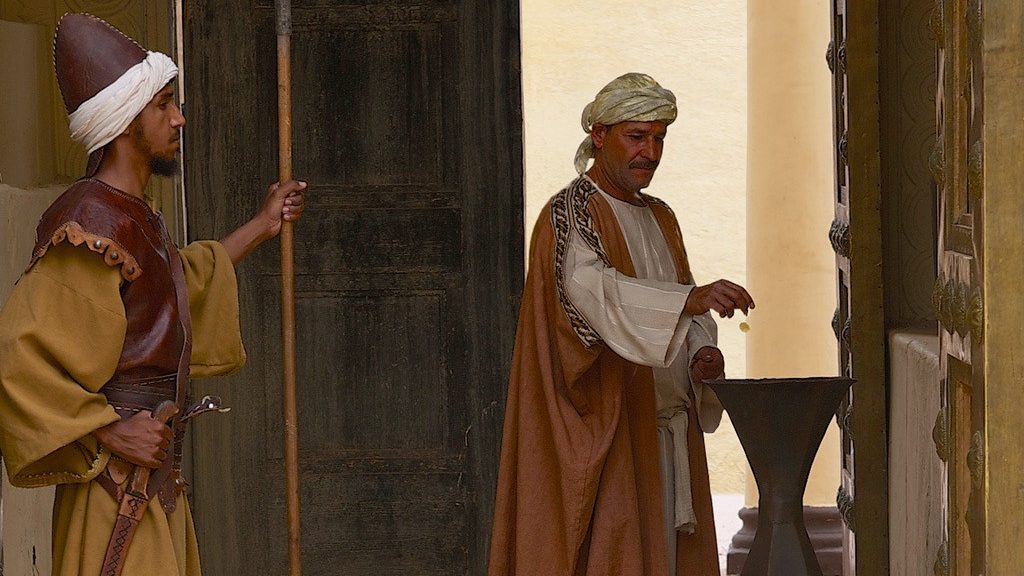
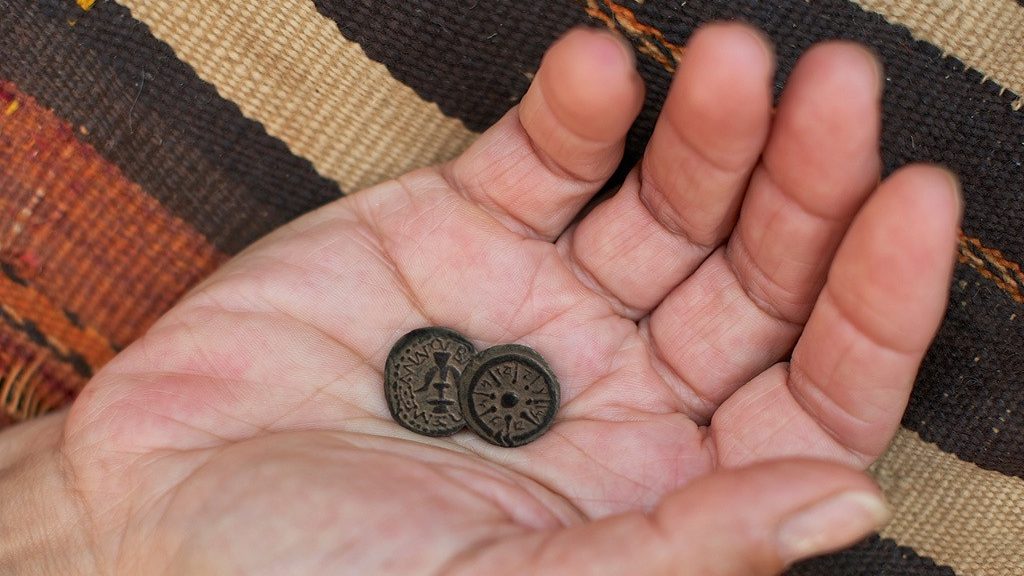
“Jesus sat down near the collection box in the Temple and watched as the crowds dropped in their money. Many rich people put in large amounts. Then a poor widow came and dropped in two small coins.” (Mk.12:41-42 nlt) When Jesus saw this, He called His disciples. The collection box was in the women’s court of the Temple. In fact, there were 13 trumpet shaped receptacles around the courtyard to make donations. This was a public area as people traveled through depositing their money. Jesus pointed out to His disciples the large amount of money the rich put it, which to them was equivalent to spare change. Then Jesus noted what the poor widow put in, two small coins. These were copper coins, the lowest valued coins in circulation in the Holy Land. These two copper coins were all she had to live on, and she put it in the donation box. This lesson Jesus points to is the show of faith this woman had in believing and trusting God to meet her daily needs. We live in a time when trusting God needs to come with a secure job and healthy bank account, then we can donate our spare change. But our God is faithful who will supply our needs when we first seek Him and His kingdom. “Seek the Kingdom of God above all else, and live righteously, and he will give you everything you need.” (Mt.6:33 nlt)
Next week we begin chapter 13 where Jesus answers the disciples’ questions concerning future events. “Tell us, when will all this happen? What sign will show us that these things are about to be fulfilled?” (Mk.13:4 nlt) Until next week…….

 Word for the Soul